International Mother Language Day: Theme, history, and significance

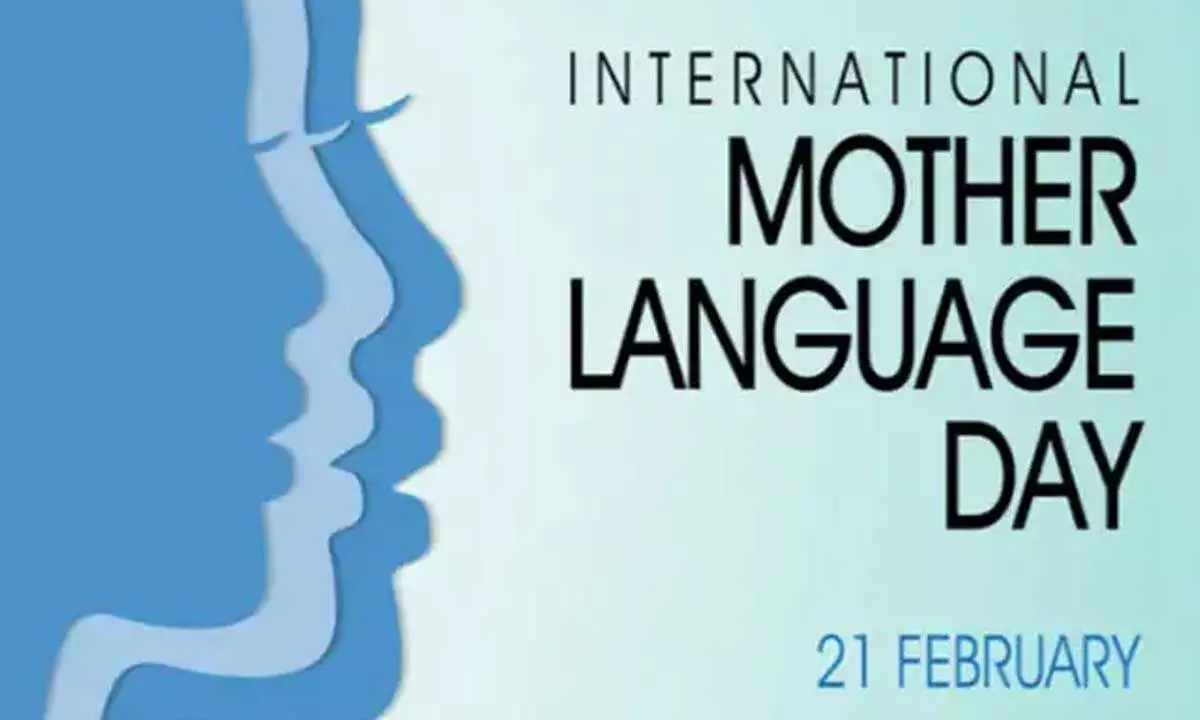
As of early 2026, the official global theme is announced by UNESCO close to the observance date. In recent years, themes have focused on multilingual education, safeguarding endangered languages, and advancing inclusive societies through linguistic diversity. The 2026 theme is expected to continue emphasizing the role of mother tongues in education, digital inclusion, and sustainable development.
History:
International Mother Language Day is observed every year on February 21. It was proclaimed by UNESCO in 1999 and first celebrated globally in 2000. The date commemorates the 1952 Language Movement in present-day Bangladesh, when students in Dhaka protested for the recognition of Bangla (Bengali) as a state language. Several students lost their lives on February 21, 1952, and they are honored as martyrs. The movement ultimately led to Bangla being recognized as one of the state languages of Pakistan and later became a foundational part of Bangladesh’s identity after independence in 1971.
Purpose and Importance:
The day promotes linguistic and cultural diversity and multilingualism worldwide. According to UNESCO, many of the world’s approximately 7,000 languages are at risk of disappearing. When a language fades, unique cultural knowledge, traditions, and identities can be lost with it. International Mother Language Day encourages governments, educators, and communities to support mother tongue–based education, especially in early schooling. Research consistently shows that children learn best when taught first in their native language.
Observance in 2026:
In 2026, countries around the world will mark the day with educational seminars, cultural programs, language fairs, poetry readings, and digital campaigns. In Bangladesh, it is also observed as Shaheed Dibosh (Martyrs’ Day), with people visiting memorials, including the Shaheed Minar in Dhaka, to pay tribute to the language martyrs.
International Mother Language Day 2026 will continue to remind the world that protecting languages is essential for preserving cultural heritage and building inclusive, equitable societies.