Innovative Design Ideas for Modern Homes

From functional to a statement of personal style and innovation, home design has come of age in today's modern, fast world. Modern homes incorporate clean lines, open spaces, and sustainable materials, marrying aesthetics and practicality. Whether it's renovating a cozy apartment or constructing a spacious family house, the integration of fresh design ideas helps to transform your living space. From minimalist approaches all the way up to striking bold color schemes, the possibilities are endless. This article considers a wide variety of design concepts to spur your next project, putting great emphasis on elements that will help enhance both form and function.
Most of the design ideas represent specific global trends, including cultural influences combined with state-of-the-art technology. This includes smart homes, automated lighting systems, and appliances based on voice commands, which will almost become staples in the modern setting. These provide not only convenience but also make living more energy-efficient. Since people have looked to create homes in a personalized manner, the focus has now shifted towards constructing those spaces that help an individual both relax and be productive. Knowing some of the fundamental key principles, such as balance, proportion, and harmony, you can create your unique home and stay right on the vanguard of design trends.
Minimalism in Interior Spaces
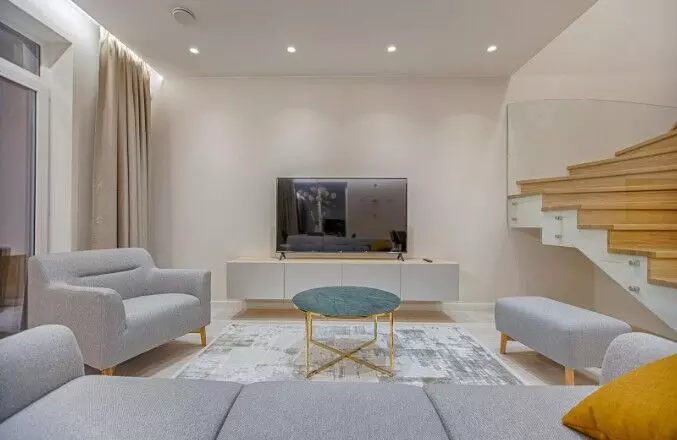
Modern minimalism continues as the basis of designs, standing for "less is more" with the simplicity of space and a neutral color palette. What makes this design beautiful is that it removes the unnecessary to bring into view what is important. First, choose furniture with clean lines, which is often multi-functional, like modular sofas or units with built-in storage. Here, lighting is extremely important: recessed LEDs and sources of natural light guarantee an airy atmosphere. Plants bring touches of nature into this simplicity without overwhelming it.
True minimalism is an investment in quality, not quantity. Go for timeless pieces in durable materials such as wood, metal, or glass. Hang sparse wall art-maybe a large abstract piece. Complement this cleanliness of lines with polished concrete or hardwood floors. This philosophy in design minimizes visual noise to work toward mental clarity, making your home a haven from chaos.
Incorporating Sustainable Materials
Sustainability in home design is an imperative, rather than a fad. The employment of environmentally friendly materials that include reclaimed wood, bamboo, and recycled glass adds unique textures, reducing environmental impacts. An example is bamboo flooring, which is very tough and can give a great warm finish, ideal for high-traffic areas. Upcycled furniture, for example, tables made from old doors, brings character and a story with it. Options like these align with the principles of green living, since environmentally conscious homeowners will be the first to resonate with them.
Beyond materials, energy-efficient designs featuring solar panels and insulated windows bring down utility costs. Water-saving fixtures further enhance indoor air quality, along with low-VOC paints. In letting sustainability take center stage, you build a healthier living space that benefits your family and the planet. Resources like Wimpelleine inspire seamless integration of all these elements within your home.
Colour Schemes to Uplift Mood
Colors greatly impact the disposition of a room, from calling for relaxation to livening up the atmosphere. Gray and beige provide neutral backgrounds on which other colors can shine. Soft blues and greens are able to bring natural calming elements into bedrooms, while rich reds and bright yellows can introduce personality into living spaces by making those rooms stimulating for creativity and conversation.
Color blocking or ombre effects would add depth without overwhelming. Pair warm and cool tones for balance; for example, terracotta walls against navy furnishings. Lighting changes color perception, so test shades under different conditions. Your final choices should consider your lifestyle, creating a harmonious atmosphere that uplifts daily experiences.
Functionality in Furniture Choices
Balance of style, comfort, and utility in furniture selection. Select furniture with more than one use: storage ottomans or expanding dining tables. Ergonomic styles ensure comfort over a long time; a home office would have an adjustable chair and desk. Materials stand: leather for durability, for instance, in family rooms; velvet, for bedding, in luxurious bedrooms. Scale is everything: an overscaled item will overwhelm small spaces, while a diminutive one will be lost in vast ones.
The interest comes from mixing those styles: mid-century modern combined with industrial pieces creates an eclectic space. The thrift store finds add character, melding old with new. Flow is important; place furniture in a way that there is movement and interaction. Thoughtful selection will turn your rooms into functional havens able to morph and meet the need at hand.
Ambiance Lighting Techniques
Effective lighting design layers ambient, task, and accent sources to create versatile atmospheres. Ambient lighting, such as from ceiling fixtures, provides overall illumination. Task lights, like desk lamps, focus on particular activities. Accent lighting puts the dramatic flair on everything from art to architectural features. Dimmers can adjust moods from bright for work to soft in the evenings.
Large windows and skylights allow natural light in, promoting well-being. Employ energy-saving, long-lasting LED bulbs in creative options like pendant lights above islands or floor lamps placed in corners. Place lighting strategically to develop spatial perception and accentuate design features, making your home inviting and dynamic.
Outdoor Design Integration
Blurring the boundaries between indoors and outdoors expands living spaces. Patios with sitting areas extend entertaining spaces, and landscaping should incorporate native plants, which, besides being low maintenance, provide for local ecosystems. Features such as fire pits or water elements create relaxing focal points. Outdoor kitchens with grills and sinks permit al fresco dining.
Materials used are weather-resistant, such as teak or wrought iron, to ensure longevity. Lighting extends usability into evenings: string lights or path illuminators. Privacy screens or pergolas add structure. Integrating outdoor design ideas allows you to connect with nature seamlessly, increasing the footprint of your home.
Textures and Patterns for Depth
Textures add a tactile interest that can range from smooth marble countertops to plush rugs. A mix of both rough and smooth will create contrast, such as brick walls against silk cushions. Patterns can introduce personality without chaos, geometric wallpapers, or striped throws. Scale patterns appropriately; large prints suit expansive walls while small ones do for accents.
Layering textures creates coziness: wool blankets over leather sofas. Natural fibers like linen promote breathability. Bold patterns can anchor rooms, but balance them with solids to avoid overload. Thoughtful incorporation of textures and patterns takes the flat design and makes it multidimensional.
Smart Home Innovations
Smart technology revolutionizes design by putting convenience and efficiency at the forefront: voice assistants will be used to control everything from lights to the thermostat, to security; automatic blinds auto-adjust with the sunlight to optimize energy use; integrated audio systems provide seamless entertainment. Innovations meld into décor through discreet installations.
Compatible devices mean a cohesive ecosystem. Apps enable remote monitoring, adding a safety factor. Initial setup requires some forethought, but long-term comfort and savings are worth your while in smart features that future-proof home design.
Personalization with Art and Decor
Art and decor personalize spaces by reflecting taste and memories. Gallery walls comprising photos and prints create visual narratives. Add three-dimensional interest to the space with sculptures or vases. Mixed media: paintings with textiles to add depth to aesthetics. Scale artwork to walls; oversized pieces make statements in minimal rooms.
Sourcing from local artists supports the community and ensures uniqueness. Change out the decoration seasonally for freshness. Balance is key: an overcrowded space dilutes its impact. Well-curated homes become filled with character by thoughtful curation.
Kitchen Design Essentials
The kitchen has become the social hub of the modern home, where function meets fashion. Open layouts invite conversation as one interactively prepares and socializes with others around an island. Kitchens typically feature timeless Shaker and flat-panel cabinetry. Quartz countertops are durable and low-maintenance. Smart-featured appliances make meal preparation easier.
Pull-out drawers and other storage solutions maximize efficiency. Subway tile or mosaic backsplashes add some serious flair. Under-cabinet lighting illuminates tasks. A well-designed kitchen can help ease daily routines and enhance property value.
Bathroom Retreat Ideas
Bathrooms turn into spa-like sanctuaries with luxurious touches. Freestanding tubs become focal points, often complemented with rain showers for pampering. Floating vanities are space-savers and add a touch of modern style. Heated floors and heated towel racks add to comfort. Natural stone tiles evoke serenity.
Illuminated mirrors add functionality. Plants love the humid conditions and help clean the air. Recessed niches with storage keep counters free. Turn your bathroom into a sanctuary-let it be about relaxation and self-care.
Bedroom Sanctuary Concepts
The bedrooms are designed to cater to rest. Storage platform beds and soft fabrics used to make up the layer of bedding ensure comfort. Blackout curtains block light for good sleep. Convenience is introduced with nightstands that have built-in charging stations. Accent walls of soothing colors create moods; reading nooks with armchairs invite one to unwind for some time. Personal touches, like family photos, will add warmth. A sanctuary bedroom rejuvenates the mind and body.
Exterior Design Trends
Exterior designs set impressions and meld curb appeal with functionality. Fiber-cement siding ensures low-maintenance durability. Landscaped entries with pathways invite guests to a home. Black-framed windows bring in contrast, especially in schemes like black with white trim, exuding elegance and modernity. Roofing materials such as metal ensure durability. Outdoor lighting showcases architecture after dark. Sustainable features like rain gardens control the flow of water. Thoughtful exteriors enrich the vistas of neighborhoods and improve the value of homes.
Conclusion: Bringing Ideas to Life
It requires planning and creativity to make design inspirations a reality. You can start with just one room, and that will give you more confidence. If your designs are more complicated, then you may want to consult a professional for the project. Draw always from the inspiration of trends, but never forget to personalize it. Your home changes as you grow or develop, throughout life. With these concepts, create spaces that are beautiful, functional, and uniquely yours.