
Indoor Plants That Naturally Keep Pests Away

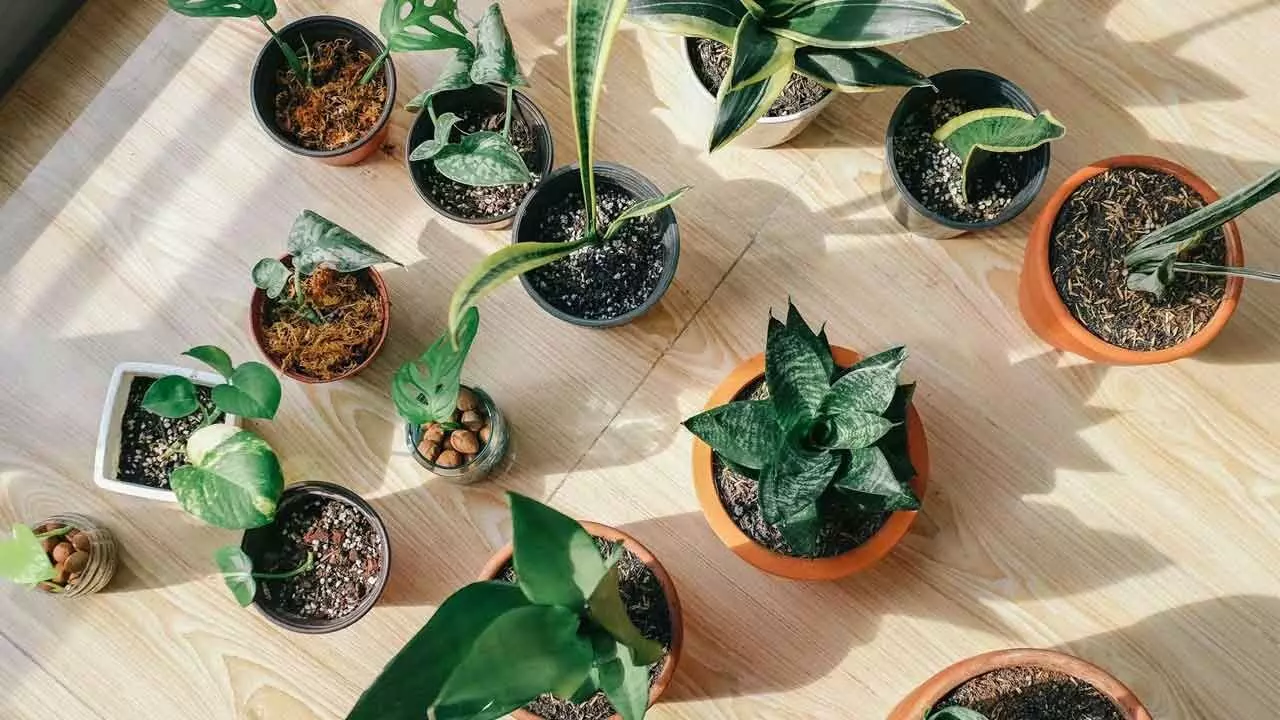
Certain indoor plants release natural compounds that repel pests effectively, offering a chemical-free, fragrant, and visually appealing solution for homes.
Keeping homes free from pests often involves chemical sprays or repellents, but nature offers a gentler alternative. Several indoor plants not only enhance décor but also release natural oils and compounds that deter common household pests. These plants combine beauty with practicality, making them ideal additions to living spaces.
Lavender: A Fragrant Shield Against Insects
Lavender is widely loved for its soothing aroma, but it also works as a powerful pest deterrent. Its natural oils help keep mosquitoes, moths, flies, and fleas away. Placing lavender near sunny windows ensures healthy growth while allowing its scent to circulate indoors, creating a calm yet protective environment.
Mint: Fresh Aroma, Strong Protection
Mint is a fast-growing herb known for its refreshing scent and strong pest-repelling qualities. It is particularly effective against ants, spiders, and even rodents. However, mint spreads quickly, so it is best grown in a separate pot to control its growth while enjoying its benefits.
Rosemary: A Culinary Herb with a Purpose
Rosemary is not just useful in the kitchen—it also acts as a natural insect repellent. Its woody fragrance helps keep mosquitoes and certain moths at bay. This plant thrives in bright light and adds both aroma and greenery to indoor spaces while reducing unwanted pests.
Marigolds: Bright Flowers with Protective Properties
Marigolds are commonly used outdoors, but they can be just as effective indoors. They contain compounds that help repel insects like gnats and aphids. Their vibrant blooms also add a cheerful touch to interiors, making them both decorative and functional.
Chrysanthemums: A Powerful Natural Repellent
Chrysanthemums, often called “mums,” are among the most effective pest-repelling plants. They produce natural substances that deter a wide range of insects, including ants, cockroaches, ticks, and beetles. Because of their potency, these plants are often used as a base for natural insect control solutions.
Basil: Ideal for Kitchens and Beyond
Basil is a popular herb that offers more than culinary value. Its strong scent helps repel flies and mosquitoes, making it perfect for kitchen spaces. Growing basil indoors ensures easy access for cooking while also maintaining a cleaner, pest-free environment.
Citronella Grass: The Mosquito Deterrent
Known for its role in mosquito-repelling products, citronella grass is a useful indoor plant when grown in manageable sizes. Placing it near entry points like doors or windows can help reduce the chances of mosquitoes entering the home.
Lemongrass: A Citrus-Scented Barrier
Lemongrass contains natural compounds that are highly effective against mosquitoes and fruit flies. Its light, citrus fragrance adds freshness to indoor spaces while serving as a natural defense against pests. It also complements modern home décor with its tall, elegant appearance.
Bringing Nature Indoors
Incorporating these plants into your home is a simple and eco-friendly way to manage pests. They improve air quality, enhance aesthetics, and reduce reliance on chemical repellents. With minimal care, these plants can transform indoor spaces into healthier, more comfortable environments.


