Indian Millennials & Gen Z: The New Face of Men's Fashion

Indian Millennials & Gen Z: The New Face of Men's Fashion
Indian Millennials & Gen Z: The New Face of Men's Fashion
Rohan, a 26-year-old software engineer from Bangalore, opens Instagram on his lunch break. His feed floods with fashion influencers showcasing everything from sustainable streetwear to Indo-fusion outfits. Fast-forward to his weekend shopping trip – he's not just buying clothes anymore, he's curating his identity.
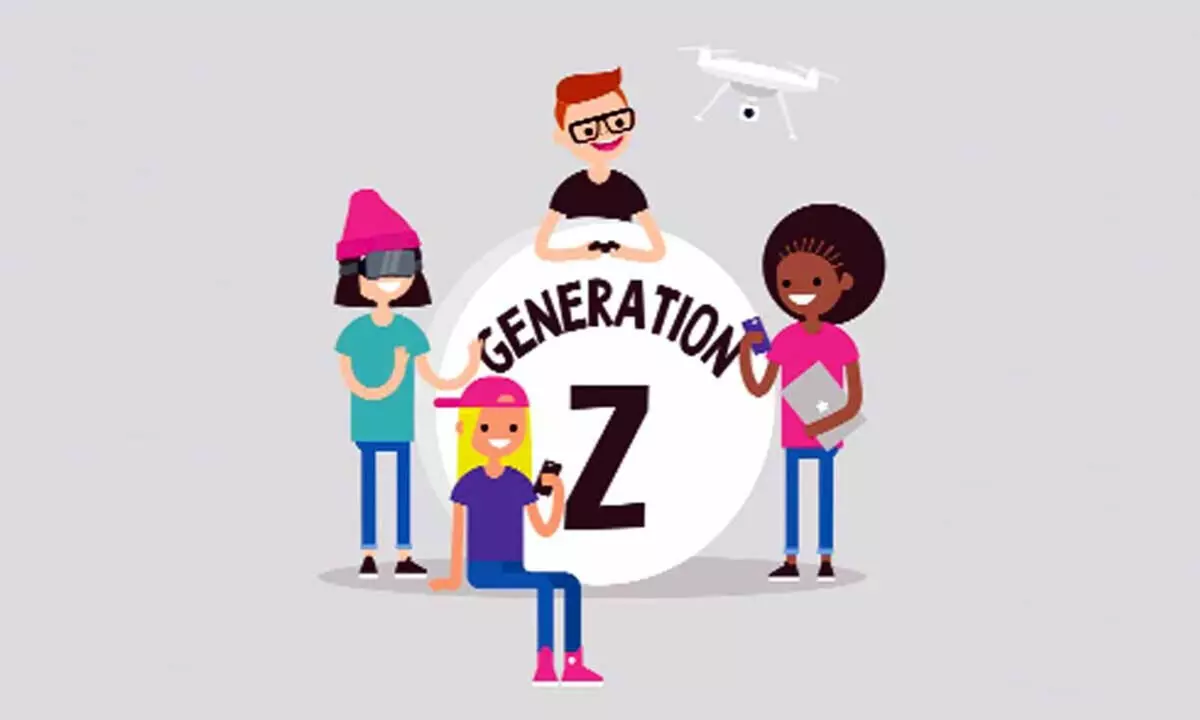
This scene plays out millions of times across India every day. Young Indian men have fundamentally shifted how they approach fashion, turning it from a basic necessity into a powerful tool for self-expression. In fashion and lifestyle category, the generation spends 47 per cent ($45-50 billion) of the overall consumption ($100-110 billion) spend in India, proving that style has become a serious investment priority for this demographic.
The Big Fashion Mindset Shift
Something remarkable happened in Indian households over the past decade. The conversation around men's clothing evolved from "Will it last?" to "Does it represent who I am?" This transformation didn't happen overnight – it's the result of multiple cultural and economic forces colliding.
Traditional Indian families often viewed clothing purchases through a purely functional lens. A shirt needed to be durable, affordable, and appropriate for work or family functions. Today's young men think differently. They see clothing as storytelling, each outfit choice communicating their personality, aspirations, and values.
In 2025, the revenue in the Men's Apparel market in India amounts to US$32.32bn. It is projected that the market will experience an annual growth rate of 3.93% (CAGR 2024-2028). These numbers reflect more than market growth – they represent a generation willing to invest significantly in their appearance.
The economic backdrop supports this shift. Rising disposable incomes, flexible work arrangements, and the normalization of dating culture have all contributed to men paying more attention to their wardrobe choices. When your appearance affects your professional prospects and personal relationships, fashion stops being vanity and becomes strategy.
Digital Influence Reshaping Style Choices
Social media transformed how young Indian men discover and adopt fashion trends. Gen Z spends an average of around 3 to 4 hours per day on social media, and much of that time involves consuming fashion content.
Instagram and YouTube have democratized style inspiration. A college student in Jaipur can now access the same fashion trends as someone in Mumbai, thanks to influencers who make high-end looks accessible through budget-friendly alternatives. This digital exposure has accelerated trend adoption and encouraged experimentation.
The result? Fashion cycles that once took months to reach smaller cities now penetrate the market within weeks. Young men in tier-2 cities are increasingly fashion-forward, often surprising metropolitan fashion enthusiasts with their style awareness.
Online shopping behavior has also evolved dramatically. Men now research extensively before purchases, reading reviews, watching unboxing videos, and using virtual try-on technologies. The days of buying clothes without careful consideration are largely over for this demographic.
Key Trends Defining the New Indian Male Wardrobe
Athleisure Dominance
The boundaries between gym wear and casual wear have completely blurred. Joggers paired with graphic tees, sneakers with ethnic wear, and hoodies as statement pieces have become staples. This trend reflects a lifestyle that values comfort and versatility – young men want clothes that transition seamlessly from work-from-home setups to evening social gatherings.
Sustainable Fashion Consciousness
Environmental awareness has begun influencing purchase decisions. Brands promoting eco-friendly materials, ethical manufacturing, and sustainable practices are gaining traction among millennials and Gen Z. This generation is willing to pay premium prices for clothing that aligns with their values.
Fusion Fashion Evolution
The combination of traditional and contemporary elements has reached new sophistication levels. Kurtas with denim, nehru jackets over western shirts, and ethnic prints on modern silhouettes allow young men to honor their cultural heritage while expressing contemporary style sensibilities.
Smart Shopping Strategies for the Style-Conscious
Building a versatile wardrobe doesn't require unlimited budgets, but it does demand strategic thinking. Young men are learning to distinguish between essential wardrobe staples that offer long-term value and trend-driven purchases that quickly lose relevance.
Investment pieces – quality jeans, versatile blazers, comfortable sneakers, and well-fitted basics – deserve higher budgets because they provide long-term value. Trendy items like graphic tees, accessories, and seasonal pieces can be purchased more affordably since they'll likely be replaced as trends evolve.
The end-of-season sale timing has become an art form. Smart shoppers know that February and August offer the best discounts on previous season's collections, allowing them to build quality wardrobes at fraction of retail prices.
Customization and tailoring have also gained popularity. Instead of buying completely new outfits, young men are learning to modify existing pieces for better fit and updated looks. This approach saves money while ensuring clothes fit perfectly.
Regional Fashion Variations Across India
Fashion consciousness varies significantly across Indian cities, influenced by climate, culture, and economic factors. Metropolitan areas like Mumbai, Delhi, and Bangalore lead trend adoption, but tier-2 cities are quickly catching up.
Northern cities tend to embrace bolder patterns and layering techniques, while southern regions often prefer minimalist approaches with focus on fabric quality. Coastal areas naturally gravitate toward lighter fabrics and casual styles, while continental regions experiment more with seasonal dressing.
Price sensitivity also varies regionally. While metropolitan millennials might splurge on premium brands, their counterparts in smaller cities often achieve similar looks through strategic shopping at local markets and online discount platforms.
Building Your Foundation Wardrobe
Every stylish wardrobe starts with versatile basics that mix and match effortlessly. For Indian men, this foundation includes well-fitted jeans in dark wash, plain cotton t-shirts in neutral colors, one quality blazer, comfortable sneakers, formal shoes, and a few kurtas for traditional occasions.
Color coordination becomes simple when you stick to a cohesive palette. Navy, white, gray, and beige form an excellent base, with one or two accent colors for personality. This approach ensures everything in your wardrobe works together, making outfit selection effortless.
Fit matters more than brand names. A well-tailored shirt from a local brand will always look better than an expensive, ill-fitting designer piece. Young men are learning to prioritize fit over labels, often investing in alterations to achieve perfect silhouettes.
The Path Forward
The transformation of Indian men's fashion represents more than changing clothes – it reflects evolving attitudes toward self-expression, personal branding, and lifestyle priorities. Young men now understand that style is a skill worth developing, not a superficial concern.
This shift has created opportunities for both consumers and brands. Men have access to more style options than ever before, while companies can target increasingly sophisticated and engaged customers who value quality, sustainability, and authenticity.
The future promises even more exciting developments. Gender-neutral fashion is gaining acceptance, technology integration in clothing is expanding, and sustainable practices are becoming industry standards rather than premium offerings.
For young Indian men ready to embrace this fashion evolution, the key is starting small and building systematically. Choose one aspect of your style to improve – whether it's fit, color coordination, or accessory usage – and grow from there. Fashion isn't about following every trend; it's about finding what works for your lifestyle, budget, and personality.
The new face of Indian men's fashion is confident, conscious, and creative. It's a generation that views style as an investment in themselves, and that perspective is reshaping the entire industry.