Independence Day 2025: Inspiring Short and Long Essay Themes for School Competitions

Independence Day 2025 offers school students an opportunity to express patriotism through compelling essays that blend history, pride, and hope.
India will mark its 79th Independence Day on August 15, 2025, honouring the nation’s hard-fought struggle and remarkable progress since 1947. The occasion serves as a tribute to the countless brave individuals who endured hardships and made sacrifices to free the country from colonial rule. Across schools and educational institutions, students prepare to showcase their creativity and knowledge in essay-writing competitions. By weaving in historical details, emotional reflections, and thoughtful perspectives, young writers can create impactful works that reflect both pride and responsibility.
Short Essay Concept for Students
Independence Day is a significant national celebration held annually on 15th August to mark India’s liberation from British control in 1947. It stands as a reminder of the sacrifices made by those who dedicated their lives for the nation’s freedom. This year, the country observes its 79th Independence Day.
The historic moment of August 15, 1947, saw India’s first Prime Minister hoisting the national flag at the Red Fort in Delhi, signalling the dawn of a new era. Since then, the event has been commemorated each year with the flag-hoisting ceremony, the National Anthem, and a grand cultural showcase representing India’s unity and achievements.
In schools, the day is celebrated with enthusiasm through colourful performances, patriotic songs, plays, and speeches. Students honour leaders such as Mahatma Gandhi, Subhas Chandra Bose, Bhagat Singh, and Rani Lakshmibai. The celebration encourages respect for the struggles of the past and inspires the youth to work towards equality, justice, and progress, fostering values of unity, discipline, and patriotism.
Long Essay Concept for Students
Independence Day is one of the most revered occasions in India, celebrated on 15th August to mark the end of colonial rule in 1947. It represents both the nation’s political freedom and a tribute to the courage and determination of those who fought for it.
Historical Journey to Freedom
The British, initially arriving for trade, gradually took over administrative control, imposing unjust laws and exploiting resources. Resistance grew steadily, from the First War of Independence in 1857 to nationwide movements such as the Non-Cooperation and Quit India campaigns. Leaders like Mahatma Gandhi, Subhas Chandra Bose, Jawaharlal Nehru, Bhagat Singh, and Sardar Vallabhbhai Patel inspired people to unite against oppression. After decades of relentless struggle, independence was finally achieved on 15th August 1947 with the ceremonial unfurling of the tricolour at the Red Fort.
Nationwide Celebrations
The central celebration in New Delhi features the Prime Minister hoisting the national flag, addressing the nation, and paying homage to freedom fighters. The event includes a 21-gun salute, the National Anthem, and cultural presentations reflecting India’s diversity. Schools and colleges organise flag-hoisting ceremonies, parades, and creative activities such as essay writing, quizzes, and art competitions, fostering a spirit of unity and pride.
Symbolism of the Tricolour
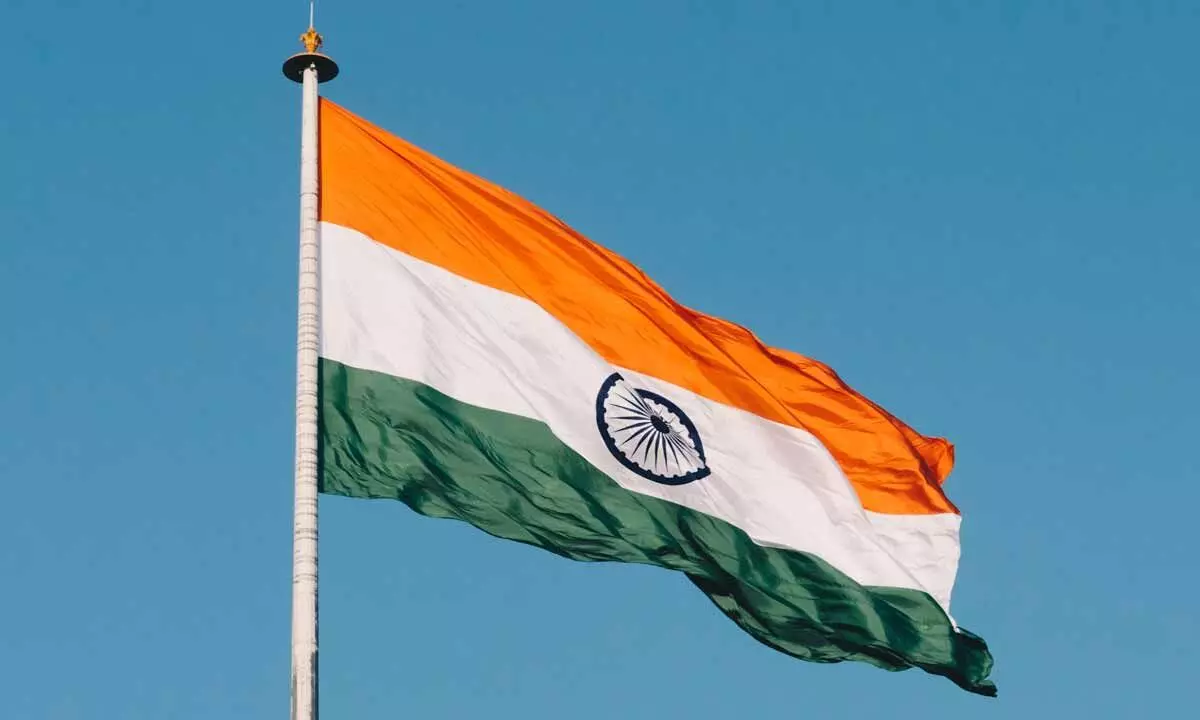
The national flag carries profound meaning — saffron symbolises courage and sacrifice, white represents peace and truth, and green stands for faith and prosperity. The Ashoka Chakra with 24 spokes at the centre signifies progress and righteousness.
Reflection and Responsibility
Independence Day is both a celebration of sovereignty and a reminder of the responsibilities that come with it. It calls for safeguarding the nation’s freedom while working towards its growth. Students, as the future custodians of the country, are encouraged to study diligently, uphold cultural values, and contribute positively to society, aiming to build a peaceful and prosperous India.