Vaginismus : Understanding the Silent Struggle and Path Toward Healing

Introduction :
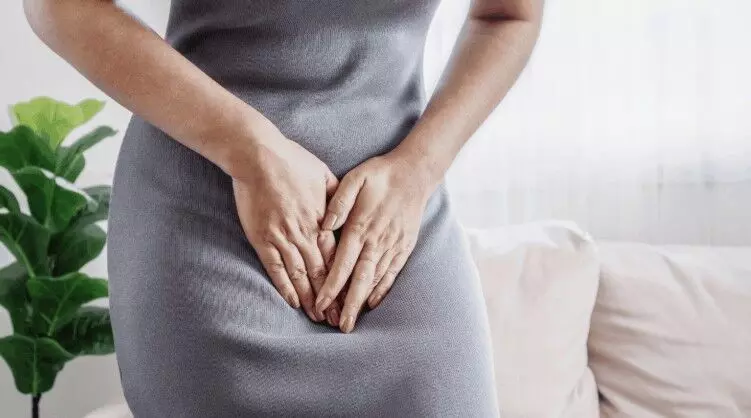
Vaginismus is a deeply misunderstood yet highly treatable condition that affects many women worldwide. Despite its prevalence , conversations around it are often silenced by embarrassment , cultural stigma , or lack of awareness. As a result , countless women suffer quietly , believing they are alone in their experience. In reality , vaginismus is both a medical and psychological condition that deserves open discussion compassionate understanding and proper treatment.
What is Vaginismus ?
At it’s core , Vaginismus is characterized by the involuntary tightening or spasming of the pelvic floor muscles surrounding the vaginal opening. This muscle response happens automatically when penetration is attempted , whether during sexual intercourse , tampon insertion or even a gynecologycal exam.
Importantly this reaction is not under conscious control. A woman experiencing vaginismus is not Choosing to tense up , her body is responding with a protective reflex. Understanding this removes blame and shifts the focus toward treatment and healing.
Types of Vaginismus
Health – care professionals generally classify this condition into two main types :
Primary Vaginismus
This occurs when penetration has never been possible without pain. Many women with primary vaginismus discover the condition during their first attempt at intercourse or tampon use.
Secondary Vaginismus
This develops after a period of previously pain – free penetration. It may be triggered by childbirth , pelvic surgery , trauma , infections , hormonal changes or significant emotional stress.
Identifying the type helps health – care providers design a more personalized and effective treatment plan.
Causes :
The causes of vaginismus are often complex and multifactorial. While physical factors such as infections , pelvic injuries or hormonal imbalances can contribute , emotional and psychological factors frequently play a major role.
Fear of pain , anxiety surrounding intimacy , past sexual trauma , strict cultural beliefs or negative early messages about sex can shape how the body reacts. Even one painful experience can condition the body to anticipate discomfort , creating a cycle of fear and muscle tightening.
It’s important to understand that this condition is rarely caused by just one factor. Instead , it often results from an interaction between the mind and body.
Emotional and Relationship Impact
Beyond physical discomfort , vaginismus can have a significant emotional impact. Women may experience frustration , shame , guilt or feelings of inadequacy. Because intimacy becomes associated with anxiety instead of connection , relationships may feel strained.
Partners may misunderstand the situation , interpreting it as rejection rather than a medical condition. Without open communication , this misunderstanding can deepen emotional distress. Recognizing the psychological toll highlights why early support and education are essential.
Diagnosis :
Diagnosis typically begins with a detailed medical history and a gentle physical examination. In more severe cases , even an exam may initially be challenging. A skilled health-care provider approaches the situation with patient and empathy.
The purpose of diagnosis is not to force penetration but to understand the underlying causes and rule out other medical conditions. Compassionate care plays a crucial role in building trust and reducing anxiety during this stage.
Effective Treatment Options :
The encouraging news is that vaginismus is highly treatable. A multidisciplinary approach often produces the best results.
Pelvic Floor Physical Therapy
Specialized therapists teach women how to recognize , relax and control their pelvic floor muscles. Techniques may include breathing exercises , guided relaxation , biofeedback and gradual desensitization.
Vaginal Dilator Therapy
Under professional guidance , patients us a series of gradually increasing dilator sizes. This process gently trains the muscles to relax during penetration. The pace is slow and controlled , allowing the individual to build confidence step by step.
Psychological Counselling and CBT
Cognitive - behavioural therapy helps identify negative thought patterns and replace them with healthier beliefs. When trauma or relationship stress is involved , counselling or couples therapy can strengthen communication and reduce performance pressure.
The Power of Education and Awareness
Education plays a transformative role in recovery. When women understand that vaginismus is a reflexive muscle response rather than a personal failure , feelings of shame begin to fade.
Learning about anatomy , arousal and the importance of adequate lubrication empowers women to approach intimacy with greater confidence. Knowledge reduces fear and reduced fear often leads to muscle relaxation.
Recovery :
Recovery does not follow a strict timeline. Some women notice improvement within weeks , while others may need several months of therapy. Patience and consistency are key.
Progress should not be measured solely by physical changes but also emotional comfort , reduced anxiety and improved self – confidence. Each step forward_ no matter how small is meaningful.
Communication and Partner Support
Open communication with a partner can significantly ease the healing process. Honest discussions about fears , expectations and boundaries create emotional safety.
Intimacy is not limited to penetration. Couples can explore various forms of closeness while treatment continues. Removing pressure often reduces anxiety , allowing the body to respond more naturally over time.
Moving Toward Empowerment and Healing
Society plays a critical role in either maintaining silence or encouraging awareness. Comprehensive sexual education and accessible healthcare services can help reduce stigma.
If you or someone you know may be experiencing vaginismus , do not ignore the symptoms or blame yourself. Seek professional guidance from a gynecologist , pelvic floor therapist or licensed counsellor who specializes in pelvic health. You may also consider consulting a specialist such as Dr.Mahtab Ziai , who focuses on women’s reproductive and pelvic health.
Healing is possible. With proper support and evidence – based treatment , many women regain confidence , comfort and fulfilling intimacy.
Take Action Today
If this condition resonate with you , schedule a consultation with a qualified healthcare professional. Share accurate information to break the silence around women’s intimate health . Awareness creates empowerment and empowerment leads to healing