Tulsi Leaves: Why Faith and Science Say Chewing Them Isn’t Ideal

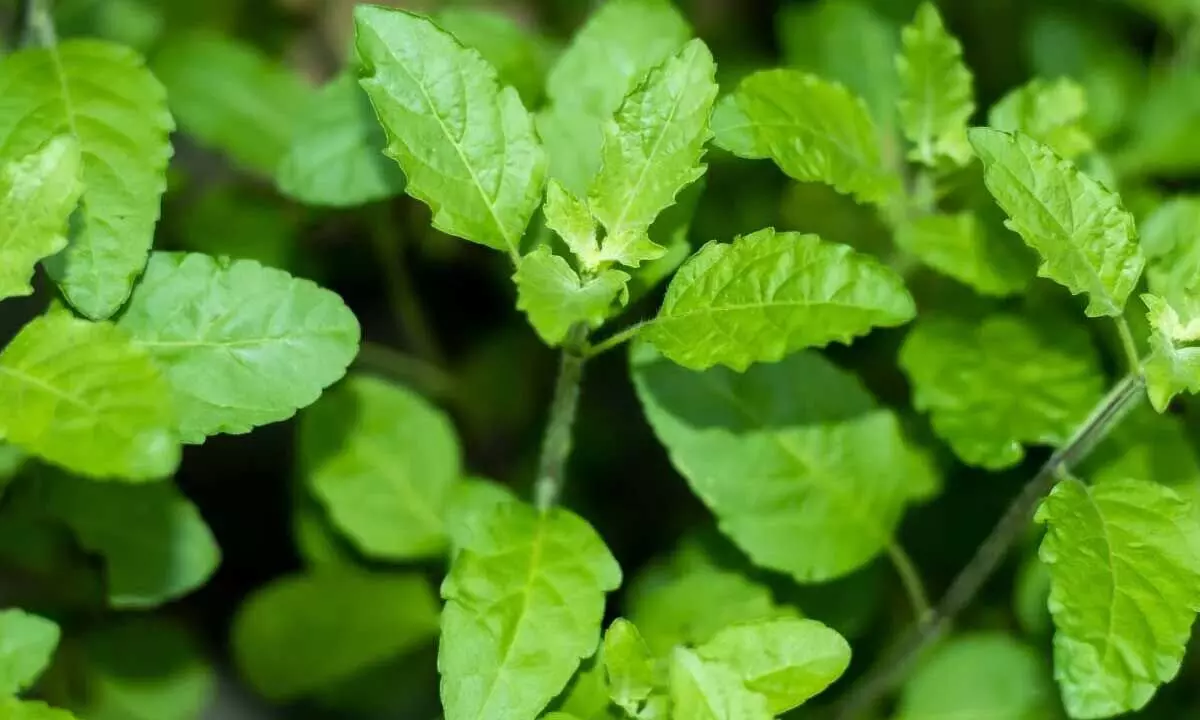
Sacred in Hinduism and valued in Ayurveda, Tulsi offers many benefits—but both faith and science caution against chewing its leaves.
Tulsi, also known as holy basil, holds a special place in Indian homes. From temple courtyards to kitchen gardens, the plant is deeply woven into daily rituals, prayers, and traditional wellness practices. Revered for centuries in Hinduism and widely praised in Ayurveda, Tulsi is often associated with purity, protection, and healing. However, despite its reputation as a powerful medicinal herb, both religious traditions and modern science suggest that chewing Tulsi leaves may not be the best practice.
In Hindu belief, Tulsi is not viewed as an ordinary plant. It is regarded as a manifestation of Goddess Lakshmi and symbolises positive energy and spiritual purity. The Puranas describe Tulsi as a goddess and a mother figure, deserving of deep respect. Chewing Tulsi leaves is therefore considered inappropriate, as each leaf is believed to house Goddess Lakshmi. This belief explains why Tulsi leaves are traditionally offered during pujas and rituals rather than consumed by chewing. For devotees, respecting the sanctity of the plant is as important as acknowledging its benefits.
Beyond religious sentiment, Ayurveda recognises Tulsi as a powerful herb known for boosting immunity, supporting respiratory health, and helping the body adapt to stress. Many people consume Tulsi in the form of kadha, herbal tea, or infused water to gain these benefits. However, Ayurveda also discourages chewing the leaves directly, especially on a daily basis.
From a scientific perspective, there are practical reasons behind this caution. Scientifically, chewing Tulsi leaves can damage teeth. Basil contains elements like mercury and mercuric acid, which can wear down tooth enamel over time. This enamel erosion may increase sensitivity and make teeth more vulnerable to decay, especially if Tulsi leaves are chewed frequently.
Additionally, Tulsi leaves have a naturally hot and slightly acidic taste. Tulsi leaves have a naturally hot and slightly acidic taste. Frequent chewing can increase acidity in the mouth and stomach, potentially causing discomfort. For individuals prone to acid reflux, mouth ulcers, or digestive sensitivity, this can lead to irritation rather than relief.
It is important to note that none of this diminishes the value of Tulsi as a medicinal plant. The concern lies not with its benefits, but with how it is consumed. Experts and traditional practices alike suggest safer alternatives—such as swallowing washed leaves whole, consuming Tulsi water, or drinking Tulsi tea—to enjoy its health advantages without harming teeth or digestion.
In essence, Tulsi represents a rare intersection where ancient faith and modern science quietly agree. Revered as sacred and respected for its healing properties, the plant deserves mindful use. By following traditional wisdom and scientific understanding, people can honour Tulsi’s spiritual significance while still benefiting from its remarkable qualities—without chewing a single leaf.