






- Bengal govt ends system of appointing private agencies as ‘knowledge partners’
- Telangana Minister Sridhar Babu invites Mumbai industry to " Global Summit" 2026 at Future City in Hyderabad
- Prince William, Princess Kate to meet PM Modi in Delhi today
- Congress Party’s New Poll Slogan: "Bahut hui mehengaai ki maar, ab Jawaab de Modi Sarkaar,"
- Naga Chaitanya’s Vrushakarma Second Single ‘Chalo Padhave’ Will Be Out Tomorrow
- Zepto Co-founder Recalls Near Shutdown Scare After Major Technical Failure
- Most-Wanted LeT Terrorist Lateef Bhat Killed After Standoff Inside Kulgam Mosque
- AI Could Be Behind Global Tech Outages, US Official and CEOs Suggest
Think Before You Scoop! Frozen Desserts Could Put Heart Health at Risk
In Short
Gujarat launches Operation Health to educate consumers about the difference between ice cream and frozen desserts, highlighting ingredients and potential health concerns.

Share :
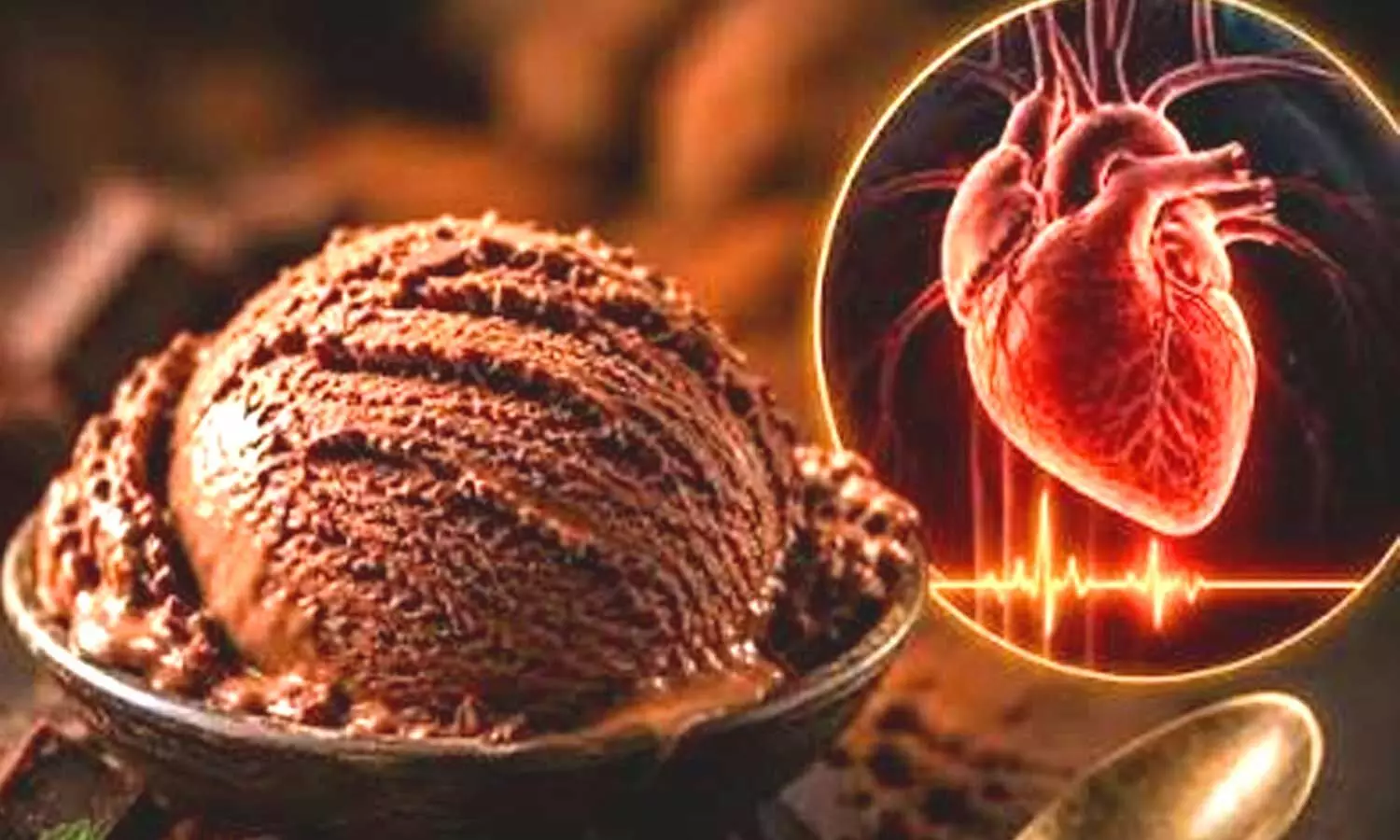
Think Before You Scoop! Frozen Desserts Could Put Heart Health at Risk
A spoonful of ice cream may turn an ordinary day into an extraordinary delight, but before gulping it down the throat, one needs to check if it is ice cream or frozen dessert.
Frozen desserts may not be necessarily harmful to health. But consuming it thinking it is ice cream can lead to weight gain and obesity, increase triglyceride levels, may result in tooth decay and rise in Type 2 diabetes as well as cardiovascular problems.
In view of this, the Gujarat government has launched ‘Operation Health’ and has taken up a campaign to explain the difference between ice cream and frozen dessert.
Announcing this, the State Health Minister Praful Pansheriya on Wednesday said the Health Dept of the Govt of Gujarat, in collaboration with the Food and Drugs Control Administration (FDCA), has launched 'Operation Health' to educate citizens about the difference between 'Ice Cream' and ' Frozen Dessert'.
In a video message, he said an important meeting was held between the Health Department Commissioner and officials of the Food and Drugs Department to discuss the initiative.
Both ice cream and frozen dessert are legally permitted products, but public awareness about their differences remains low, he added.
"There is a huge difference between ice cream and frozen dessert, but people generally accept both as ice cream. Ice cream is labelled as pure milk ice cream. On the other hand, frozen dessert is made by mixing vegetable oil and milk powder without milk fat. Such a product cannot be called ice cream; it can be called a dessert," Pansheriya explained.
More than 95 per cent of people are unaware that what they consume as ice cream is made using vegetable oil, that is, palm oil, and milk powder, without even a single drop of milk, he said.
Under the campaign, ice cream sellers across Gujarat will be required to clearly inform customers whether the product being sold is pure milk ice cream or frozen dessert. They will also have to display the distinction between the two products. He said consumers often mistake both products for ice cream as they look similar and have little difference in taste.
Pansheriya said companies will also have to clearly mention their names and specify whether their products are ice cream or frozen desserts.
The minister called upon the educated people to come forward and share the correct information with others so that everyone consumes pure milk ice cream. “I appeal to everyone to help spread this awareness through their social media platforms. In this age of technology, people can obtain more detailed information and contribute to public awareness," Pansheriya said. He said people should also understand the difference between analogue paneer, cheese and butter.
Andhra Pradesh Offers 80% Support for Silicon Fabs
EC extends deadline for ASDD voters for re-enrolment in Telangana
"Tomorrow's Keralam will be more beautiful than today; let's walk together," Kerala CM
Supreme Court Issues Notice On Contempt Plea Against Lawyer Over Remarks Against CJI Surya Kant
Rahul Projects Gloom, BJP Says It’s Boom: What’s the Real Story?
LeT Commander Lateef Bhat Trapped In Kulgam Encounter, Refuses To Surrender


