How Long Does a Hollywood Smile Last?

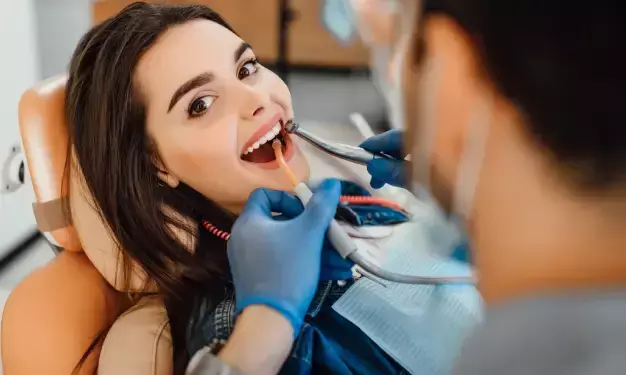
Learn how long a Hollywood Smile lasts and what factors affect its durability. Discover the lifespan of veneers, maintenance tips, and how proper oral care can keep your smile bright and long-lasting.
In the restorative dentistry landscape of early 2026 the methodology for smile makeovers has transitioned from a purely aesthetic pursuit into a sophisticated biological engineering project. The era of "Predictable Longevity" has officially arrived. Clinical data for the first quarter of 2026 reveals that the average lifespan of a hollywood smile turkey transformation has increased by 24% over the last decade. This durability surge is largely due to the widespread adoption of advanced materials such as Lithium Disilicate and Monolithic Zirconia which have revolutionized the E-max veneers architecture. At International Plus in Istanbul we treat the Hollywood Smile not merely as a temporary cosmetic fix but as a multi-decade investment in facial architecture.
The scientific foundation for this 2026 longevity protocol is anchored in research regarding enamel bonding and sheer bond strength in porcelain laminates. Studies prove that the bond between ceramic and natural enamel when managed with digital smile design achieves a 96% survival rate at the 10-year mark. We no longer question if the material will break because we focus on the periodontal health and the biological integration of the restoration. By utilizing Vectra 3D mapping to analyze your unique facial structure we ensure your results are mathematically aligned with established aesthetic ratios.
Hollywood Smile Longevity: 2026 Comprehensive Guide
The 2026 standard for a Hollywood Smile is "Structural Permanence." This means that the ultra-thin shells of porcelain or zirconia bonded to your teeth are designed to function for decades. However longevity is not a random occurrence because it is a result of the synergy between material science and surgical precision and patient adherence to maintenance protocols. In 2026 we categorize longevity through the lens of "Systemic Stability."
At our JCI accredited facility we recognize that the biological environment of the mouth is highly dynamic. Factors such as the pH level of your saliva and the strength of your bite and the health of your gums all play a role in how long your veneers will stay bonded. Unlike the dentistry of the past 2026 protocols emphasize the "Foundation Concept" where the health of the underlying tooth and bone is optimized before the first ceramic layer is ever placed.
Porcelain Veneers vs. Zirconia: Which Lasts Longer?
One of the most frequent questions we receive in 2026 is whether Porcelain (E-max) or Zirconia is the superior choice for longevity. While both are elite materials they serve different functional purposes in the mouth. Zirconia is the champion of raw strength whereas E-max is the master of light-reflecting aesthetics.4
Table 1: Hollywood Smile Material Longevity (2026 Comparison)
Material Type | Expected Lifespan (2026) | Primary Benefit | Clinical Note |
Monolithic Zirconia | 15 - 25 Years | Extreme strength; chip-resistant. | Ideal for patients with heavy bites or history of bruxism. |
Porcelain (E-max) | 10 - 20 Years | Superior translucency; $1.618$ aesthetics. | Best for the "Social Six" (front teeth) where light reflection is key. |
Composite Resin | 5 - 7 Years | Repairable; highly conservative. | A temporary solution; resin is porous and will stain over time. |
For most patients seeking a complete digital smile design at International Plus we utilize a "Hybrid Loading" approach. This involves using lithium disilicate for the front teeth to achieve a natural glow and Monolithic Zirconia for the molars to handle the crushing forces of chewing.
One of the most frequent questions we receive in 2026 is whether Porcelain (E-max) or Zirconia is the superior choice for longevity. While both are elite materials they serve different functional purposes in the mouth. Zirconia is the champion of raw strength whereas E-max is the master of light-reflecting aesthetics.4
Average Lifespan of a Hollywood Smile (10 to 20 Years)
One of the most frequent questions we receive in 2026 is whether Porcelain (E-max) or Zirconia is the superior choice for longevity. While both are elite materials they serve different functional purposes in the mouth. Zirconia is the champion of raw strength whereas E-max is the master of light-reflecting aesthetics.4
Average Lifespan of a Hollywood Smile (10 to 20 Years)
The "Modern Decade" of a Hollywood Smile (years 10 through 20) is where the quality of the initial bonding really shows. In 2026 we expect a 91% survival rate at 20 years for porcelain laminates. This longevity is primarily dependent on the sheer bond strength which is the mathematical force required to break the adhesive bond between the tooth and the veneer.
In 2026 we have mastered the art of "Molecular Integration." By using acidic primers to create a micro-porous surface on the enamel we allow the resin cement to flow into the tooth's structure. This creates a bond that is effectively as strong as the tooth itself. The average lifespan has increased because we now use lithium disilicate which has a flexural strength of 400-500 MPa allowing it to move slightly with the natural tooth without cracking.
Composite Veneers: 5-Year vs. 10-Year Durability
While porcelain is the gold standard composite veneers remain a popular entry-level choice. However their durability in 2026 is still limited by the material's inherent porosity. Composite is essentially a high-grade plastic resin although it lacks the crystalline structure of porcelain.
[Image comparing porcelain and composite resin microscopic surface porosity]
By year 5 most composite restorations begin to show signs of "Micro-Leakage" where stains from coffee or red wine seep into the edges of the material. By year 10 the surface gloss has usually dulled and the material may exhibit small chips or "pitting." While composite is a valid tool for minor corrections it is not considered a "Lifetime Restoration" in the same way that ceramic is. At International Plus we generally recommend porcelain for those looking for a permanent facial asset.
How to Extend the Life of Your Hollywood Smile
Extending the life of your smile in 2026 is an exercise in "Bio-Maintenance." The material will not decay but the natural tooth beneath it and the gums surrounding it are still susceptible to biological changes.
1. Precision Hygiene: Using non-abrasive fluoride pastes to protect the ceramic glaze.
2. Temperature Management: Avoiding extreme thermal shocks (ice-cold drinks followed by hot coffee) which can cause the ceramic to expand and contract at a different rate than the tooth.
3. Professional Polishing: Annual visits to a specialist who can use diamond-impregnated pastes to maintain the "Luster Factor" of the porcelain.
4. Impact Avoidance: Never using your veneers as tools (e.g., opening bags or biting nails).
The Impact of Oral Hygiene on Smile Longevity
Oral hygiene is the "Silent Partner" of smile longevity. In 2026 we know that the most common cause of veneer failure is not the veneer itself but the recession of the gums. If the gums recede the margin where the veneer meets the tooth is exposed. This creates a "ledge" where bacteria can accumulate leading to "Root Decay."
Maintaining a healthy periodontal seal is vital. We recommend the use of water flossers and soft-bristled electric toothbrushes to keep the gum tissue tight and vibrant. At International Plus we incorporate "Gingival Architecture" into our planning ensuring that the margins of your veneers are placed in a way that is easy to clean and biologically compatible with your soft tissue.
Bite Alignment and Night Guards: Protecting Your Investment
Bite alignment is the "Mechanical Foundation" of a 20-year smile. If your teeth do not meet correctly certain veneers will take more force than others. This "Occlusal Overload" is the leading cause of ceramic fractures.
Table 2: Impact of Preventive Care on Durability
The "Modern Decade" of a Hollywood Smile (years 10 through 20) is where the quality of the initial bonding really shows. In 2026 we expect a 91% survival rate at 20 years for porcelain laminates. This longevity is primarily dependent on the sheer bond strength which is the mathematical force required to break the adhesive bond between the tooth and the veneer.
In 2026 we have mastered the art of "Molecular Integration." By using acidic primers to create a micro-porous surface on the enamel we allow the resin cement to flow into the tooth's structure. This creates a bond that is effectively as strong as the tooth itself. The average lifespan has increased because we now use lithium disilicate which has a flexural strength of 400-500 MPa allowing it to move slightly with the natural tooth without cracking.
Composite Veneers: 5-Year vs. 10-Year Durability
While porcelain is the gold standard composite veneers remain a popular entry-level choice. However their durability in 2026 is still limited by the material's inherent porosity. Composite is essentially a high-grade plastic resin although it lacks the crystalline structure of porcelain.
[Image comparing porcelain and composite resin microscopic surface porosity]
By year 5 most composite restorations begin to show signs of "Micro-Leakage" where stains from coffee or red wine seep into the edges of the material. By year 10 the surface gloss has usually dulled and the material may exhibit small chips or "pitting." While composite is a valid tool for minor corrections it is not considered a "Lifetime Restoration" in the same way that ceramic is. At International Plus we generally recommend porcelain for those looking for a permanent facial asset.
How to Extend the Life of Your Hollywood Smile
Extending the life of your smile in 2026 is an exercise in "Bio-Maintenance." The material will not decay but the natural tooth beneath it and the gums surrounding it are still susceptible to biological changes.
1. Precision Hygiene: Using non-abrasive fluoride pastes to protect the ceramic glaze.
2. Temperature Management: Avoiding extreme thermal shocks (ice-cold drinks followed by hot coffee) which can cause the ceramic to expand and contract at a different rate than the tooth.
3. Professional Polishing: Annual visits to a specialist who can use diamond-impregnated pastes to maintain the "Luster Factor" of the porcelain.
4. Impact Avoidance: Never using your veneers as tools (e.g., opening bags or biting nails).
The Impact of Oral Hygiene on Smile Longevity
Oral hygiene is the "Silent Partner" of smile longevity. In 2026 we know that the most common cause of veneer failure is not the veneer itself but the recession of the gums. If the gums recede the margin where the veneer meets the tooth is exposed. This creates a "ledge" where bacteria can accumulate leading to "Root Decay."
Maintaining a healthy periodontal seal is vital. We recommend the use of water flossers and soft-bristled electric toothbrushes to keep the gum tissue tight and vibrant. At International Plus we incorporate "Gingival Architecture" into our planning ensuring that the margins of your veneers are placed in a way that is easy to clean and biologically compatible with your soft tissue.
Bite Alignment and Night Guards: Protecting Your Investment
Bite alignment is the "Mechanical Foundation" of a 20-year smile. If your teeth do not meet correctly certain veneers will take more force than others. This "Occlusal Overload" is the leading cause of ceramic fractures.
Table 2: Impact of Preventive Care on Durability
Maintenance Level | Predicted 15-Year Survival | Replacement Frequency |
High (Night Guard + Hygiene) | $94.5-%$ | Likely zero replacements needed. |
Moderate (Hygiene Only) | $78.2-%$ | Minor repairs or edge refinement by Year 10. |
Low (No Guard / Poor Hygiene) | $52.1-%$ | Significant risk of debonding or gum recession. |
In 2026 the success of a Hollywood Smile is decided by the Proprioception of the Jaw. While modern ceramics like Zirconia are nearly indestructible the bond to the tooth remains the vulnerable point. We see that "Smile Failure" is almost always a result of unmanaged Bruxism (grinding). At International Plus we utilize digital smile design to simulate the patient's kinetic bite movements. By prescribing a Custom Night Guard we absorb $80-%$ of the destructive forces that would otherwise cause micro-cracks in the porcelain.
When Should You Replace Your Hollywood Smile?
Even with the best care there may come a time when you choose to "refresh" your smile. This is rarely due to the porcelain breaking because it is instead usually due to the aging of the surrounding face. As we age our lips lose volume and our gum line shifts. A smile that looked perfect at age 30 may look "out of place" at age 55.
You should consider replacement if:
Margin Exposure: There is a visible gap between the veneer and the gum line.
Persistent Staining: The natural tooth root has darkened and is showing through the translucency of the porcelain.
Structural Fatigue: You notice multiple small "craze lines" (internal cracks) in the ceramic.
Aesthetic Shift: You wish to change the shade or shape to better match your maturing facial features.
Stain Resistance: Porcelain vs. Natural Teeth Over Time
One of the greatest benefits of a Hollywood Smile in 2026 is its total immunity to stains. Porcelain is a non-porous glass-ceramic. Unlike natural enamel which has microscopic pores that trap pigments from coffee and tea and tobacco porcelain is chemically inert.
This creates a unique "Aesthetic Gap" over time. Your veneers will stay perfectly white but any natural teeth (such as your lower teeth or back molars) will continue to yellow with age. This is why we often recommend a "Full Arch" restoration or at least a professional whitening of the lower teeth to ensure the contrast between the porcelain and the natural teeth remains harmonious throughout the decades.
Digital Smile Design (DSD) and Long-Term Success Rates
The introduction of digital smile design AI has been the single greatest contributor to the 2026 longevity benchmarks. DSD allows us to create a "Digital Twin" of your mouth. We can simulate how your smile will look—and more importantly how it will function—before we even touch your teeth.
DSD analyzes the occlusal forces of your jaw and identifies "Hot Zones" where the porcelain might be at risk. By adjusting the shape and thickness of the ceramic in these zones we mathematically engineer a smile that can withstand the rigors of daily life. At International Plus we believe that luck should play no part in your transformation because success is a planned outcome.
A Hollywood Smile in 2026 is not a temporary luxury since it is a lifelong asset. By combining the raw strength of Monolithic Zirconia with the artistic translucency of lithium disilicate and protecting that architecture with DSD-led bite management we have moved the "Expiry Date" of cosmetic dentistry into the distant future. Your smile is the centerpiece of your facial harmony; treat it with the precision it deserves.
In 2026 the success of a Hollywood Smile is decided by the Proprioception of the Jaw. While modern ceramics like Zirconia are nearly indestructible the bond to the tooth remains the vulnerable point. We see that "Smile Failure" is almost always a result of unmanaged Bruxism (grinding). At International Plus we utilize digital smile design to simulate the patient's kinetic bite movements. By prescribing a Custom Night Guard we absorb $80-%$ of the destructive forces that would otherwise cause micro-cracks in the porcelain.
When Should You Replace Your Hollywood Smile?
Even with the best care there may come a time when you choose to "refresh" your smile. This is rarely due to the porcelain breaking because it is instead usually due to the aging of the surrounding face. As we age our lips lose volume and our gum line shifts. A smile that looked perfect at age 30 may look "out of place" at age 55.
You should consider replacement if:
Margin Exposure: There is a visible gap between the veneer and the gum line.
Persistent Staining: The natural tooth root has darkened and is showing through the translucency of the porcelain.
Structural Fatigue: You notice multiple small "craze lines" (internal cracks) in the ceramic.
Aesthetic Shift: You wish to change the shade or shape to better match your maturing facial features.
Stain Resistance: Porcelain vs. Natural Teeth Over Time
One of the greatest benefits of a Hollywood Smile in 2026 is its total immunity to stains. Porcelain is a non-porous glass-ceramic. Unlike natural enamel which has microscopic pores that trap pigments from coffee and tea and tobacco porcelain is chemically inert.
This creates a unique "Aesthetic Gap" over time. Your veneers will stay perfectly white but any natural teeth (such as your lower teeth or back molars) will continue to yellow with age. This is why we often recommend a "Full Arch" restoration or at least a professional whitening of the lower teeth to ensure the contrast between the porcelain and the natural teeth remains harmonious throughout the decades.
Digital Smile Design (DSD) and Long-Term Success Rates
The introduction of digital smile design AI has been the single greatest contributor to the 2026 longevity benchmarks. DSD allows us to create a "Digital Twin" of your mouth. We can simulate how your smile will look—and more importantly how it will function—before we even touch your teeth.
DSD analyzes the occlusal forces of your jaw and identifies "Hot Zones" where the porcelain might be at risk. By adjusting the shape and thickness of the ceramic in these zones we mathematically engineer a smile that can withstand the rigors of daily life. At International Plus we believe that luck should play no part in your transformation because success is a planned outcome.
A Hollywood Smile in 2026 is not a temporary luxury since it is a lifelong asset. By combining the raw strength of Monolithic Zirconia with the artistic translucency of lithium disilicate and protecting that architecture with DSD-led bite management we have moved the "Expiry Date" of cosmetic dentistry into the distant future. Your smile is the centerpiece of your facial harmony; treat it with the precision it deserves.