Healing Mouth Ulcers Naturally: Simple Remedies for Lasting Relief

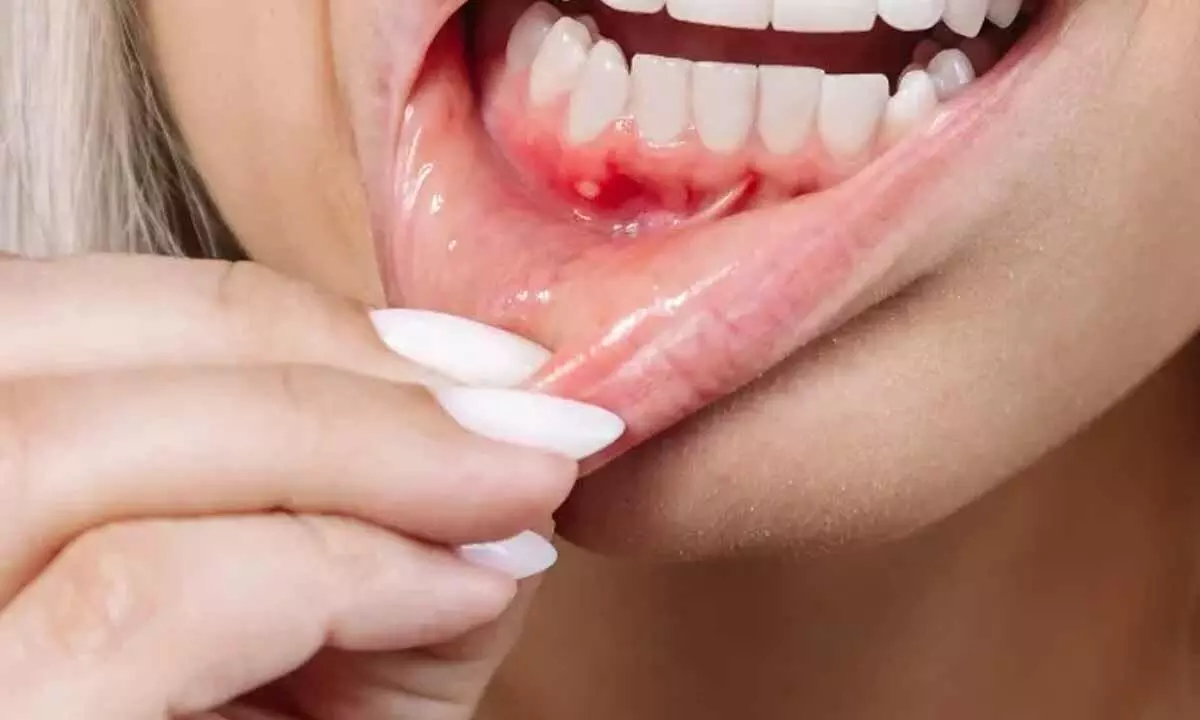
Mouth ulcers, though common and often harmless, can be eased naturally through diet, gentle oral care, stress control, and hydration.
Mouth ulcers — those tiny, painful sores that appear on the inner cheeks, lips, tongue, or gums — are more common than most people realize. While usually harmless, they can be surprisingly uncomfortable, making daily activities like eating or speaking a challenge. Thankfully, nature and simple oral care practices offer effective ways to soothe and heal them without reaching for medication.
These lesions, often round with a white or yellow center and a red edge, are not contagious like cold sores but can recur frequently, especially in individuals prone to stress, nutritional imbalances, or sensitivity to certain foods. According to experts, while most mouth ulcers heal on their own in a week or two, the real challenge lies in preventing them from coming back.
There are many reasons behind the appearance of mouth ulcers. Spicy or acidic foods — think tomatoes, citrus fruits, and fried snacks — can aggravate the soft tissues in the mouth. But that’s just one part of the puzzle. Deficiencies in essential nutrients such as vitamin B12, iron, zinc, or folate may weaken the lining of the mouth, making it more vulnerable. Hormonal shifts, stress, medications like NSAIDs, and even physical trauma from accidentally biting the inside of the cheek or brushing too hard can also trigger an outbreak.
For many, small lifestyle changes can make a big difference. Avoiding processed foods and choosing gut-friendly options like fermented curd or kefir supports a healthy internal environment. A soft-bristled toothbrush and mild rinses — such as saltwater or baking soda in water — can help reduce inflammation. Managing stress through meditation or yoga, staying well-hydrated, and ensuring restful sleep also contribute significantly to faster healing and fewer recurrences.
While most cases are minor and can be handled at home, frequent or unusually painful ulcers may indicate an underlying issue such as Crohn’s disease, celiac disease, or an autoimmune condition. In such instances, it’s best to consult a healthcare provider for a proper diagnosis and treatment plan.
In essence, mouth ulcers are a signal from your body — whether about your diet, stress levels, or overall health. Listening to these cues and nurturing your body with simple, natural care often brings not just relief, but resilience.