From 10 Outfits to 50: How AI Powered Styling is transforming your wardrobe

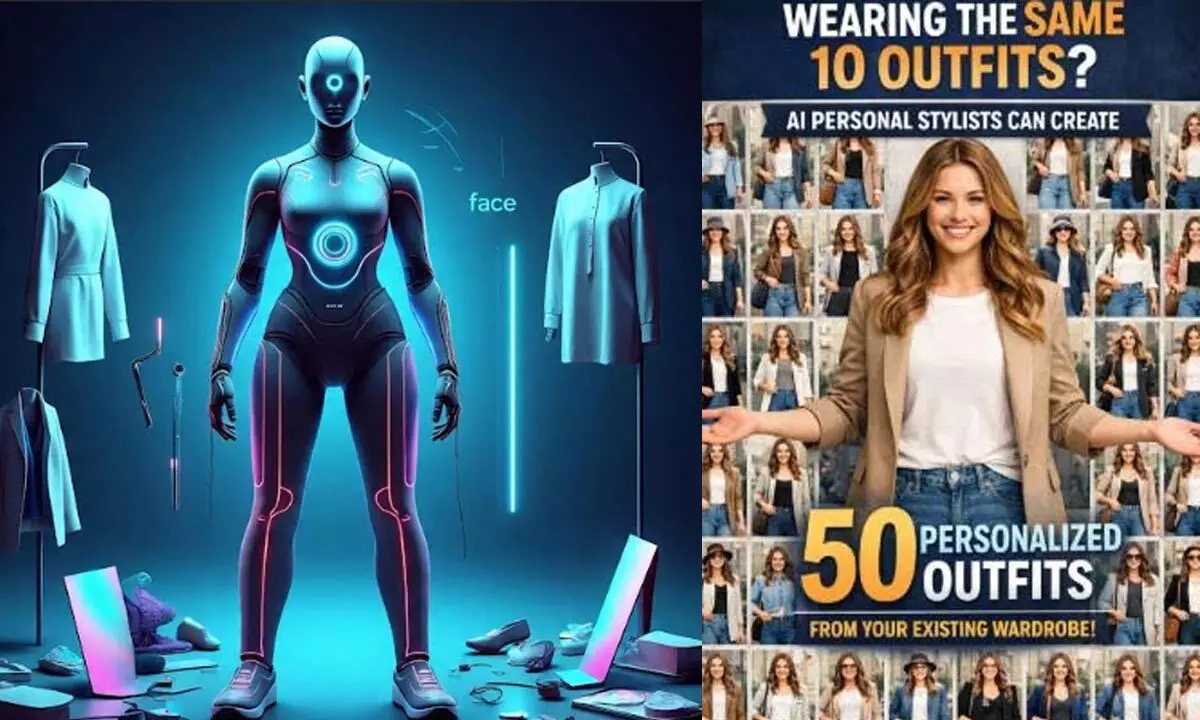
You're standing in front of your cupboard at 8:15 am and you need to leave for the office at 8:30 am. You've pulled out six different tops but nothing feels right. Now your room looks like a clothing store and yet, the only thought in your head is: I have nothing to wear.
It sounds illogical, but it is surprisingly common. When your wardrobe grows, choice does not always feel like freedom. It often turns into noise. You forget what you own, you stop experimenting, and you fall back on the same safe handful of outfits that feel easy and familiar.
Fast fashion has made this worse. New drops arrive constantly, trends change quickly, and clothing is cheaper than it has ever been. Even the Government has started calling out the scale of the problem. In a 2025 address at Bharat Tex, the Prime Minister spoke about “fast fashion waste” and noted that by 2030, fashion waste could reach 148 million tons, with less than a quarter of textile waste being recycled today. When clothes feel disposable, wardrobes grow faster than personal style does.
The result is a paradox: the more options you have, the harder it becomes to build outfits. Decision fatigue sets in. You do not have time to try combinations. Pieces get worn once and then disappear into the back of the shelf. What you own becomes less visible to you, even though it is right there.
Why “more” leads to “less”
The problem is not only clutter. It is also how we shop. Many purchases happen in isolation. A top looks good in the store, but at home it does not match the bottoms you actually wear. A dress feels like a great idea, but it needs a specific bra, shoes, or occasion that rarely comes. Over time, a wardrobe becomes a collection of individual items, not a working system.
A working wardrobe is not built on quantity. It is built on connection. The pieces need to speak to each other, fit your real schedule, and support the life you actually live: office days, travel, weddings, weather, comfort, and culture. When that alignment is missing, people keep buying more to fix what is really a coordination issue.
The real gap is not a shortage. It is structure. Without a clear system, even a full wardrobe can feel unusable. What most people lack is visibility into what they own, clarity on how pieces combine, and direction on what is genuinely missing. Without that logic, more clothes only create more confusion.
Now AI That Sees Your Entire Closet So You Don't Have To
The moment people open their wardrobe; they are faced with options. The real challenge is not quantity, it is knowing what to pair with what, and how to turn individual items into complete, repeatable outfits. Most wardrobes are full of clothes, but lack outfits.
This is where AI Fashion Assistants change the game. Unlike generic AI apps, those who are built specifically for India are trained on millions of Indian images to understand skin tones, body types, face structure, festivals, culture and climate realities. It works with few simple methods with people uploading their clothes on such apps once and letting them make new outfits from the existing wardrobe itself, even along with recommendations depending on your occasion. AI gives instant validation before you step out. No more second-guessing. AI apps can also send a scientific report on what colours suit you and what doesn’t so you become your own decision maker.
Personal styling is no longer limited to just celebrities, models, politicians, and wealthy families. AI fashion assistants are now democratizing what was once a privilege. Personal styling used to cost ₹15,000 per session. Now it's accessible to anyone with a smartphone, for less than the cost of one dinner per month.
The shift is not just technological. It is cultural. Personal styling is becoming more inclusive, more context-aware, and more deeply personal than ever before.
How AI Personal Stylists Are Changing Everyday Dressing
The biggest shift is that your entire wardrobe can now be captured and organised digitally. That gives your AI personal stylist a complete view of what you own, instead of relying on memory or a handful of photos. Outfit ideas are created from your exact pieces, including items you usually forget or rarely reach for.
This is where it becomes truly personal. An AI personal stylist builds combinations based on your face structure, body shape, skin tone, hair colour, regional context, cultural influences, and individual fashion preferences. Rather than offering generic recommendations, it creates hyper-personalized recommendations for you that reflect your actual lifestyle, your workdays, social events, travel, climate, and daily routines.
The real evolution, however, is accessibility at the moment. Earlier, styling advice often lived outside your routine. Today, recommendations are available exactly when you need them before a meeting, while packing, or when a last-minute plan appears on your calendar. Features like an outfit calendar, style search, and outfit scoring make decision-making quicker and more confident.
The impact is visible in wardrobe utilisation. When suggestions are drawn from your entire closet, overlooked pieces gain new purpose. Clothes stop sitting unused and start working harder. Often, the solution is not buying more,it is discovering a stronger pairing or smarter combination you might not have considered.
Over time, your wardrobe stops feeling like scattered purchases and begins functioning like a system, organised, responsive, and built around your real life.
Why the AI plus human approach works better than either alone
A human stylist offers intuition and AI offers scale. AI Fashion Assistants combine the best of both. They remember every item you own, your habits, and your schedule so you never have to think "What do I have?" They offer human-driven insights to ensure your look fits the culture, the event, weather and your personal comfort.
These are not just other AI fashion apps, in fact have become a smarter way to live turning the "AI vs. Human" debate into a partnership that helps you make better decisions every single day.
(The writer is a Founder and CEO, Stylz~)