Simple Food Hacks To Identify Pure Khoya Instantly This Festive Season

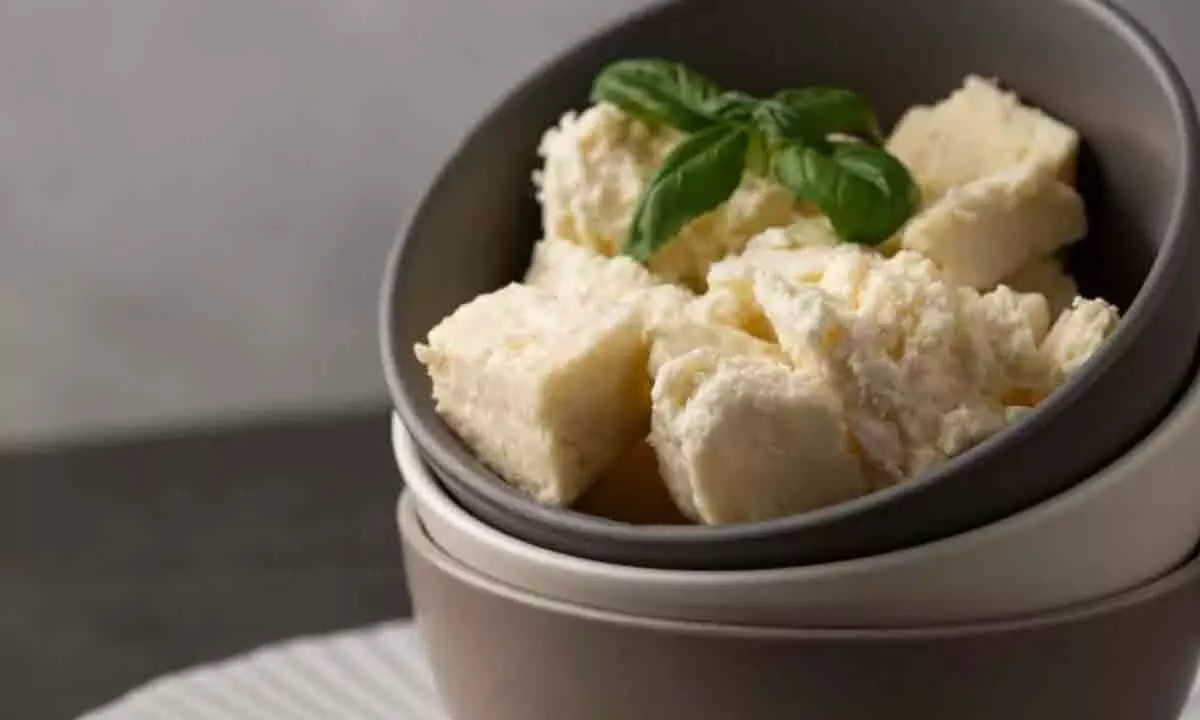
Learn easy and effective food hacks to distinguish between real and adulterated khoya before buying, ensuring purity in festive sweets.
As the festive season fills homes with the aroma of traditional sweets, the demand for khoya (mawa) — the base of most Indian desserts — skyrockets. From gulab jamun to peda and gujiya, khoya is the heart of every celebration. But with the rising demand comes a major concern — adulterated khoya flooding the markets. Unscrupulous sellers often mix starch, refined flour, detergent, or chemicals to increase volume, compromising both taste and health.
While adulterated khoya may look deceptively similar to the real one, it lacks the creamy texture, authentic aroma, and rich taste that define purity. Fortunately, a few simple food hacks can help you tell the difference between real and fake khoya before you buy it.
1. Appearance and Texture
Authentic khoya has a slightly grainy, soft, and moist texture with a natural off-white hue. When pressed gently, it crumbles easily. In contrast, fake khoya appears unnaturally white, overly smooth, or sticky due to added milk powder and chemicals. It might even look shiny or plasticky — a clear sign of adulteration. If the khoya feels hard, rubbery, or unusually stretchy, it’s best to avoid it.
2. Smell and Aroma
The smell test is one of the quickest ways to judge khoya’s purity. Pure khoya gives off a fresh, milky, and mildly caramelized fragrance that instantly reminds you of boiled milk. Adulterated versions, however, often carry a chemical or synthetic smell or may be completely odourless due to the absence of real dairy content. Always take a moment to smell the khoya before purchasing — it can reveal a lot about its quality.
3. Taste Check
A small taste test can make a world of difference. Real khoya tastes creamy, slightly sweet, and melts effortlessly in the mouth. On the other hand, fake khoya can feel powdery, gritty, overly sweet, or even leave a chalky aftertaste. Genuine khoya blends smoothly into sweets, while the fake ones fail to dissolve uniformly and may affect the consistency of desserts.
4. Moisture Content
Moisture is another reliable indicator. Pure khoya retains natural moisture, keeping it soft yet firm. It should not feel sticky or excessively dry. Adulterated khoya often turns soggy due to preservatives or too dry due to milk powder content. When pressed, pure khoya regains its shape gently, whereas fake khoya crumbles unnaturally or feels rubbery.
5. Price and Source
Real khoya is made by slowly boiling full-fat milk for hours, making it both labour-intensive and expensive. If you find khoya being sold at a suspiciously low price, it’s likely adulterated. Always buy from trusted sweet shops or reputed dairy vendors. For packaged varieties, check the manufacturing date, label details, and freshness before purchasing.
By following these simple yet effective hacks, you can easily identify pure khoya and ensure your festive sweets retain their authentic taste and texture. After all, real celebrations deserve real ingredients — free from adulteration and full of flavour.