Beyond butter chicken: Exploring the true diversity of North Indian cuisine

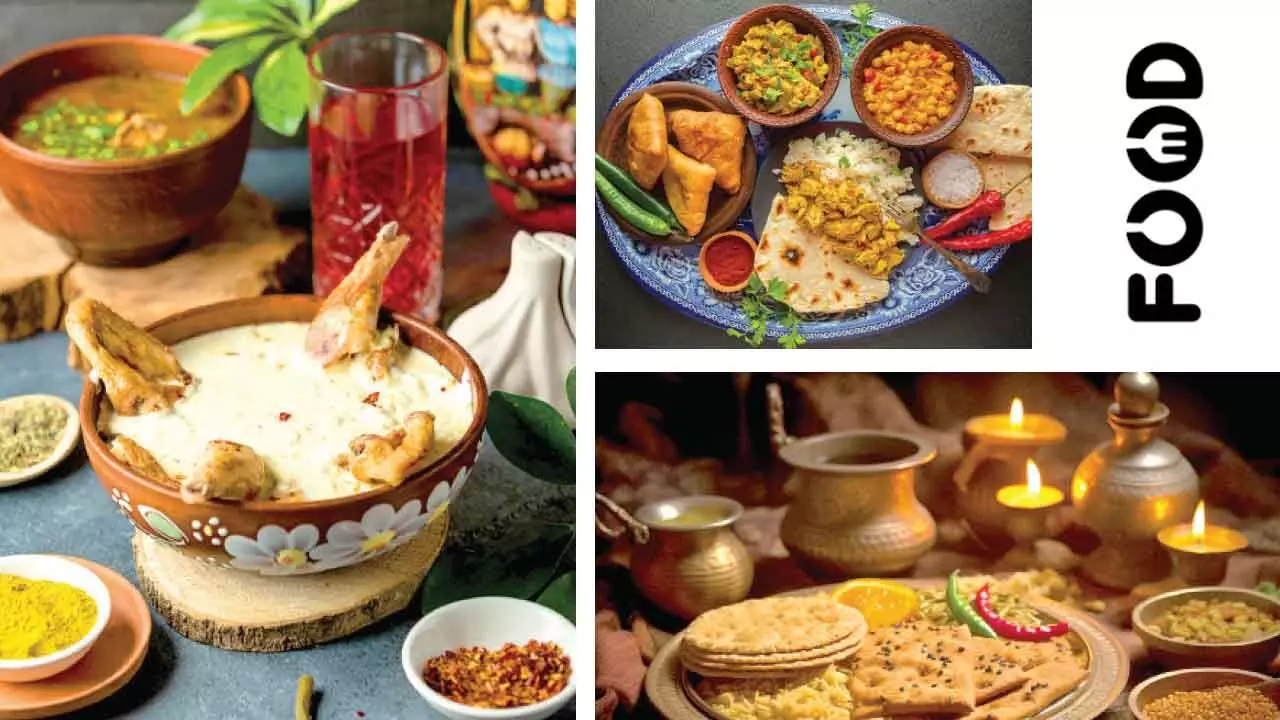
When people think of North Indian food, the image that often comes to mind is a plate of rich butter chicken paired with naan and a side of ‘dal makhani.’ While these dishes undoubtedly represent a beloved part of the region’s culinary identity, they only scratch the surface of what North Indian cuisine truly has to offer. Stretching from the snow-covered Himalayas to the fertile plains of Punjab and the deserts of Rajasthan, the northern part of India is home to an astonishing array of flavours, ingredients, and techniques that reflect its diverse geography, history, and culture.
A Mosaic of Flavors and Influences
North Indian cuisine cannot be understood as a single entity. It is, instead, a mosaic built from centuries of cultural exchange, migration, and adaptation. The Mughal Empire left behind a legacy of opulent dishes such as ‘biryanis,’ ‘kebabs,’ and ‘kormas,’ where slow cooking and aromatic spices created meals fit for royalty. Yet, beyond the Mughlai grandeur lies a wealth of regional food traditions that remain deeply rooted in local life.
In the Himalayan states like Himachal Pradesh and Uttarakhand, for example, food is shaped by the cold climate and rugged terrain. Dishes such as ‘madra’ (a yogurt-based chickpea curry) and ‘siddu’ (steamed wheat buns filled with nuts or lentils) showcase the use of locally grown grains, pulses, and dairy. The cuisine here is hearty, mild in spice, and designed to nourish in cold weather — a stark contrast to the richer, creamier dishes of the plains.
The Punjabi Heartland: More Than Tandoor and Ghee
Punjab’s cuisine has long been celebrated for its robust flavours, thanks to fertile land and a culture of hospitality centered around abundance. But it goes far beyond the restaurant staples of butter chicken and dal makhani. Traditional Punjabi meals often revolve around sarson da saag (mustard greens cooked with spices) and ‘makki di roti’ (cornmeal flatbread), dishes that highlight the connection between seasonal produce and rural life.
In villages, ‘lassi’ (a yogurt-based drink) and ‘chaach’ (buttermilk) are everyday refreshments, and slow-cooked dishes like ‘mah ki dal’ and ‘kadhi pakora’ are cherished for their comforting simplicity. The famous langar tradition in Sikh gurudwaras — where meals are served free to all — embodies the spirit of equality and community through food.
Rajasthan: A Culinary Tale of the Desert
Rajasthan’s cuisine tells a story of scarcity turned into art. The arid climate and limited availability of fresh vegetables led to ingenious cooking methods that ensure both longevity and flavour. Dishes such as ‘gatte ki sabzi’ (gram flour dumplings in spiced yogurt gravy) and ‘ker sangri’ (a tangy preparation made with desert beans and berries) are iconic examples of resilience through cuisine.
Rajasthani food also showcases a love for bold, spicy flavours and an innovative use of dried ingredients. ‘Dal baati churma,’ perhaps the state’s most famous dish, brings together baked wheat dumplings, lentils, and sweet crumbled wheat — a perfect balance of taste and texture. Every region, from Marwar to Mewar, has its own variation, proving that even within one state, culinary diversity thrives.
The Delicate Elegance of Awadhi and Kashmiri Cuisines
Moving eastward, Lucknow’s Awadhi cuisine represents refinement and sophistication. Influenced by Persian techniques and royal kitchens, Awadhi dishes are slow-cooked to perfection through the ‘dum pukht’ method, which traps steam and flavour inside sealed pots. The result is melt-in-the-mouth ‘kebabs’, aromatic biryanis, and velvety kormas that have stood the test of time.
In contrast, Kashmiri cuisine, shaped by its cold climate and distinct cultural influences, relies on warming spices like fennel, cinnamon, and asafoetida. The celebrated ‘Wazwan’ feast, featuring dishes such as ‘rogan josh,’ ‘yakhni,’ and ‘gushtaba,’ is not just a meal but a cultural ritual that showcases Kashmir’s rich culinary artistry.
Street Food and Everyday Delights
Beyond royal feasts and festive spreads, the streets of North India hum with food traditions that define daily life. From Delhi’s spicy ‘chaats’ and ‘parathas’ to ‘Benaras’s tamatar chaat’ and ‘malaiyo,’ street food captures the region’s soul. These dishes, often passed down through generations of vendors, combine local ingredients with creativity and flair.
Street food also serves as a culinary bridge — connecting people across class, religion, and region. A bite of ‘golgappa’ or ‘aloo tikki’ can tell you as much about North India’s cultural identity as a royal banquet.
Beyond the Restaurant Menu
The true beauty of North Indian cuisine lies in its diversity, shaped by geography, climate, religion, and history. Yet, many of these regional nuances remain overshadowed by a handful of restaurant-friendly dishes that dominate global perceptions. As food enthusiasts and chefs turn their attention to authenticity and storytelling, there’s a renewed effort to rediscover and represent the full spectrum of North Indian flavours.
(The writer is a Sous Chef at Namak Indian Restaurant & Bar, Greenville, US)