Early Autism Signs Parents Shouldn’t Overlook

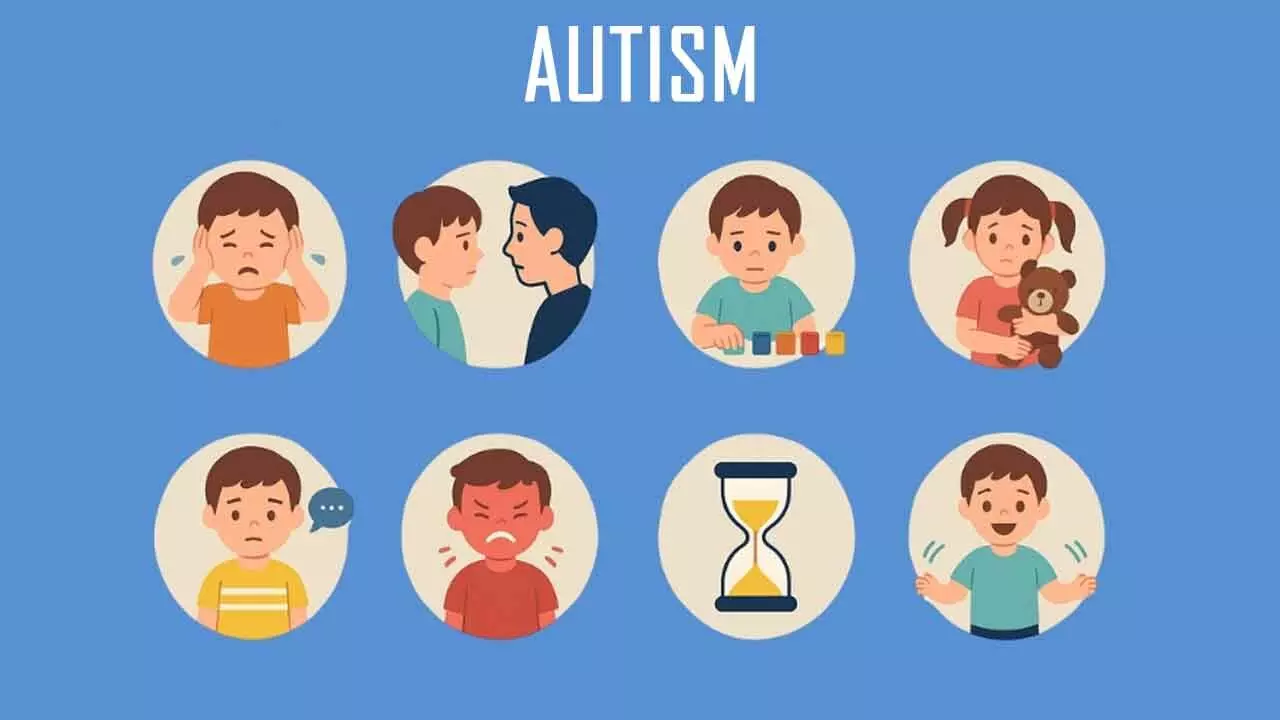
Early recognition of autism signs in toddlers can support timely intervention, improve developmental outcomes and help children to build essential social skills.
Observed annually on World Autism Awareness Day, this day aims to spread awareness about autism spectrum disorder and encourage early diagnosis and support. Autism is a developmental condition that affects communication, behaviour, and social interaction, often becoming noticeable during a child’s early years.
While every child develops at their own pace, certain behavioural patterns in infants and toddlers may signal the need for closer attention. Recognizing these early signs can make a significant difference in ensuring timely support and care.
Limited Eye Contact
Eye contact is one of the earliest ways babies connect with others. By a few months of age, infants typically begin to track faces and respond with smiles. If a child consistently avoids eye contact or seems more interested in objects than people, it could indicate a developmental concern. This behavior may appear subtle but is often one of the first noticeable signs.
Not Responding to Their Name
Most babies start recognizing and responding to their name within the first year. If a child does not turn or react when called repeatedly, it might not simply be a matter of distraction. A lack of response can suggest difficulty in social engagement, which is a key developmental milestone.
Discomfort with Physical Affection
Physical closeness, such as cuddling, usually comforts young children. However, some children may resist being held, arch their backs, or show discomfort when picked up. This reaction may point toward challenges in forming emotional connections and responding to affection.
Lack of Interest in Interactive Play
Simple interactive games like peek-a-boo often bring joy and laughter to babies. These playful exchanges help build social bonding and communication skills. If a child does not show interest or fails to respond to such activities, it could be an early indicator of reduced social engagement.
Repetitive or Unusual Play Patterns
Toddlers typically explore toys in imaginative and varied ways. However, some children may display repetitive behaviours, such as lining up toys or focusing intensely on specific parts like spinning wheels. These patterns may reflect restricted or repetitive interests, commonly associated with autism.
Limited Gestures and Shared Attention
By the time children approach their second year, they usually begin pointing at objects to express interest or share experiences. If a child rarely points, does not follow gestures, or shows little interest in sharing attention with others, it may signal a delay in communication and social development.
Why Early Attention Matters
Recognizing these signs early does not necessarily confirm a diagnosis, but it highlights the importance of seeking professional guidance. Early intervention programs can significantly enhance communication, learning, and social skills in children with autism.
Parents and caregivers play a crucial role in observing these developmental cues. Being attentive to small behavioural differences and acting promptly can help ensure children receive the support they need during their formative years.