DIY Hacks to Keep Rooftop Tank Water Warm This Winter Without Electricity

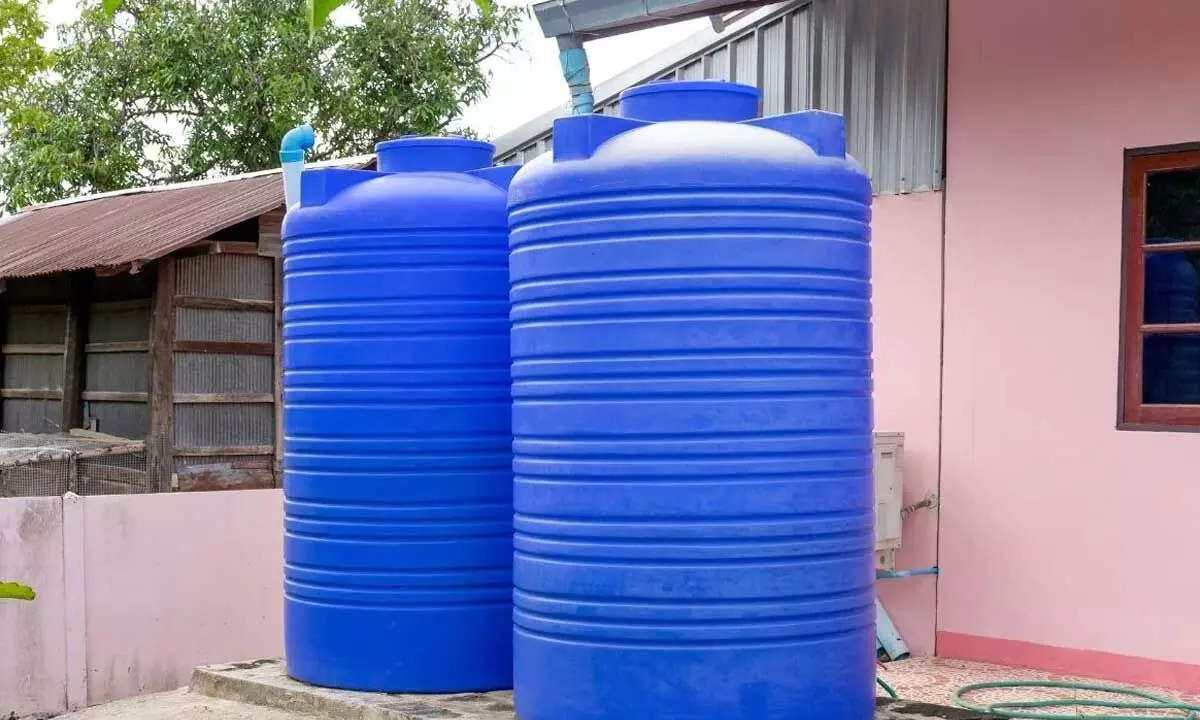
Simple, affordable DIY methods can keep your rooftop water warm in winter, ensuring comfortable baths without electricity or a geyser.
Winter mornings bring a special charm, but the icy chill of tap water from a rooftop tank can be a dreaded start to the day. For many households, installing a geyser or relying on electric immersion rods may not be practical or budget-friendly. Fortunately, there are easy, cost-effective ways to keep tank water pleasantly warm throughout the season, without drawing a single unit of electricity.
One of the simplest solutions is insulation. Wrapping the outdoor water tank in thick thermocol sheets can help retain heat by preventing cold air from seeping in. Thermocol acts as a barrier, maintaining the internal warmth of the water, especially during the cold early hours. Similarly, bubble wrap offers a natural insulation option. The trapped air within its bubbles slows heat loss, and layering the wrap securely around the tank can keep the water warmer for extended periods.
Covering the tank is another practical approach. Tarpaulin sheets, wooden shades, or even a small tin roof can shield the tank from dew and cold night winds, preventing rapid heat loss. In rural or resourceful urban settings, thick cloth or old sacks are often used to achieve similar insulation effects. Even a simple blanket draped over the tank overnight can help trap warmth accumulated during the day, readying the water for a comfortable morning bath.
Harnessing the sun’s energy is both effective and free. Painting the tank in dark shades such as black, navy blue, or deep brown enables it to absorb heat more efficiently, gradually warming the water throughout the day. Placing the tank in a sunlit corner of the rooftop further maximizes exposure, allowing the natural warmth to elevate water temperature without any external energy source.
These methods are not only practical but sustainable, offering an eco-friendly alternative to electricity-dependent heating systems. They also cater to households with intermittent power supply or those looking to reduce their monthly energy bills. The materials required—thermocol, bubble wrap, tarpaulin, and blankets—are inexpensive and readily available, making these hacks accessible to nearly every household.
By combining insulation, coverage, and sunlight exposure, rooftop tanks can retain warmth efficiently, transforming dreaded winter showers into a comfortable daily ritual. These DIY solutions emphasize simplicity and creativity, proving that a little planning and resourcefulness can make cold-weather bathing easier, safer, and more affordable.
As winter settles in, embracing these techniques can save energy, cut costs, and ensure that your mornings start on a warm, refreshing note—no geyser required.