Daily Winter Baths: What Ayurveda and Modern Medicine Advise

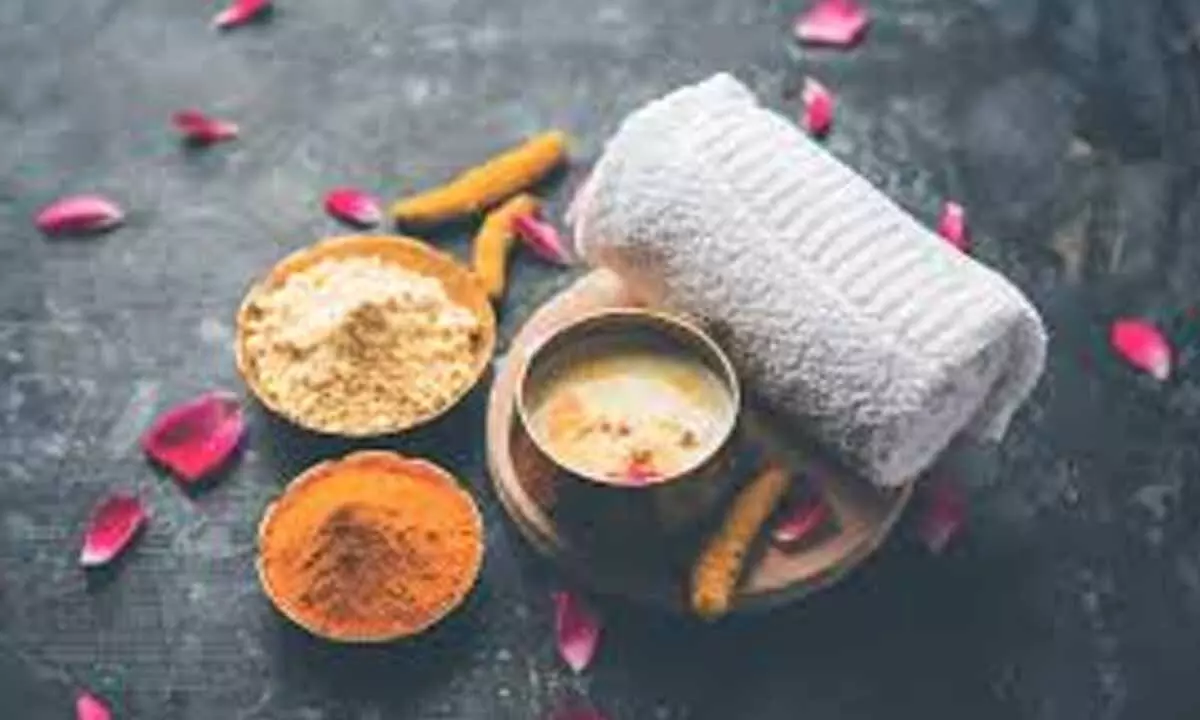
Experts say winter bathing habits should balance hygiene, skin health, and comfort, blending Ayurvedic wisdom with modern medical advice.
As temperatures drop, daily bathing often becomes a challenge. Many people skip showers during winter, opting to bathe every alternate day—or sometimes even less—simply to avoid the discomfort of cold water and chilly mornings. This seasonal habit raises a common question: is bathing every day in winter truly necessary, or can it safely be reduced?
Ayurveda and modern medicine approach this question from different angles, yet their advice surprisingly meets in the middle.
From an Ayurvedic perspective, bathing is more than a hygiene routine—it is considered a daily ritual that supports both physical purity and mental clarity. Traditional Ayurvedic thought views bathing as a way to refresh the body, awaken the senses, and restore balance. It is believed to help remove fatigue, improve alertness, and create a sense of lightness. Bathing is also associated with maintaining stable body temperature and promoting overall well-being, especially when done mindfully.
However, Ayurveda does not promote a rigid, one-size-fits-all rule. Instead, it emphasizes listening to the body. Factors such as lifestyle, physical activity, climate, and personal comfort play an important role in deciding how often one should bathe. Someone who is physically active or exposed to pollution may benefit from more frequent baths, while others may not feel the same need daily.
One of the biggest winter-related concerns linked to bathing is skin dryness. Cold air, low humidity, and hot water can strip the skin of its natural oils, leading to itching, flakiness, and irritation. This is why both traditional practices and modern skin care advice recommend avoiding very hot water during winter baths. Lukewarm water is gentler on the skin and helps prevent excessive moisture loss.
Ayurveda also encourages simple preventive measures, such as lightly oiling the body before bathing. Natural oils like mustard or sesame are traditionally used to nourish the skin, improve circulation, and act as a protective barrier against dryness. This practice can reduce the need for heavy moisturizers later in the day.
Modern medicine, on the other hand, places strong emphasis on hygiene. From a clinical standpoint, daily bathing helps remove sweat, dirt, dead skin cells, and microorganisms that accumulate on the body—even in winter, when sweating is less noticeable. Skipping baths for long periods can allow bacteria and fungi to thrive on the skin, potentially increasing the risk of infections, rashes, allergies, and unpleasant body odor.
Doctors generally agree that regular bathing supports skin health and overall cleanliness. That said, modern medical advice also recognizes the importance of moderation. Over-bathing or using harsh soaps can damage the skin’s protective barrier, especially in cold weather.
The balanced takeaway is simple: bathing regularly in winter is beneficial, but it should be done thoughtfully. Using lukewarm water, choosing mild cleansers, moisturizing or oiling the skin, and adjusting frequency based on personal needs can help maintain hygiene without harming skin health.
Ultimately, whether you bathe daily or occasionally take a break, the key lies in staying clean, comfortable, and attentive to your body’s signals—something both Ayurveda and modern medicine can agree on.