Common Dandruff Myths You Should Stop Believing Right Now

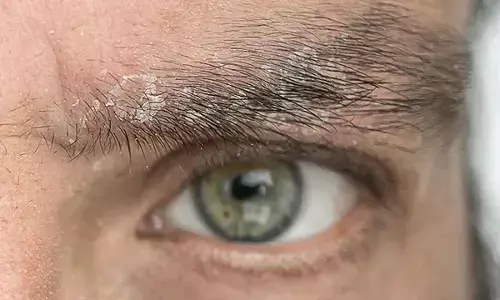
Dandruff isn’t just about cleanliness — it’s a scalp condition influenced by oil balance, sensitivity, and fungal growth, not poor hygiene.
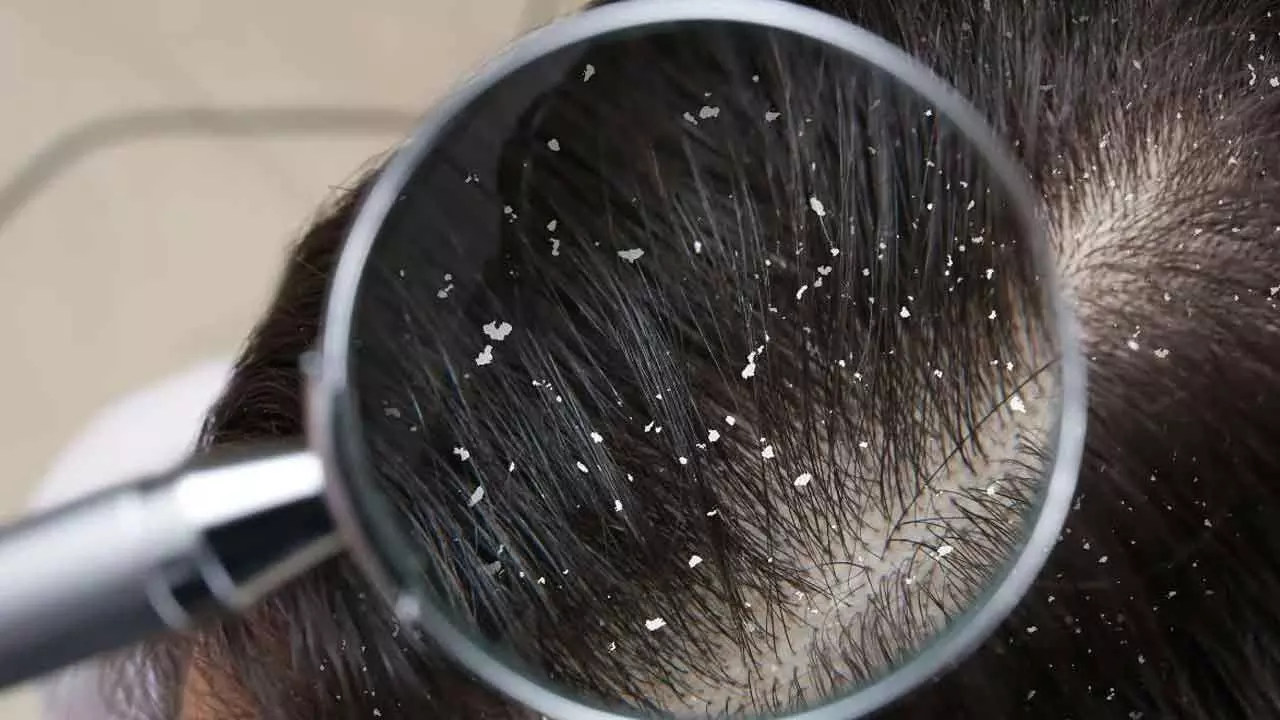
Dandruff is one of the most common scalp issues that affects people of all ages and hair types. It causes flaking, itching, and irritation, often leading to embarrassment or discomfort. Despite being a familiar condition, there are several myths surrounding dandruff that prevent people from addressing it correctly. Knowing what’s true and what’s not can help you take better care of your scalp and maintain healthy hair.
Here are five common dandruff myths you should stop believing immediately.
Myth 1: Dandruff Happens Because You Don’t Wash Your Hair Enough
Many people believe dandruff is a result of poor hygiene or infrequent hair washing, but that’s not true. Dandruff can occur even if you wash your hair regularly. It is mainly caused by an overgrowth of a natural fungus on the scalp, which leads to flaking and irritation — not by how clean your hair is.
Myth 2: Dandruff Is Caused by a Dry Scalp
Although dry scalp and dandruff may look similar, they are different conditions. A dry scalp occurs when the skin lacks moisture, while dandruff often develops due to excess oil production. This oil creates an ideal environment for fungus to grow, leading to flakes and itchiness. People with oily scalps are actually more prone to dandruff than those with dry ones.
Myth 3: Only People with Oily or Dirty Hair Get Dandruff
Dandruff doesn’t depend on how oily or clean your hair is. It can affect anyone, whether their scalp is dry, oily, or sensitive. Factors like stress, weather changes, or product buildup can also trigger dandruff. It’s a scalp condition that requires consistent care, not just frequent washing.
Myth 4: Dandruff Can Spread from One Person to Another
Dandruff is not contagious. It cannot spread through combs, pillows, or physical contact. It’s caused by internal scalp conditions such as fungal imbalance, oil production, and sensitivity to hair products. So, there’s no reason to avoid someone with dandruff — what’s needed instead is understanding and proper scalp care.
Myth 5: Dandruff Comes from Eating Unhealthy Foods
A poor diet doesn’t directly cause dandruff, although nutrition can influence scalp health. Lack of nutrients like zinc, omega-3 fatty acids, or B vitamins can make the scalp more sensitive, worsening dandruff. Eating a balanced diet can help improve the condition, but it won’t completely prevent it.
Dandruff is a manageable scalp condition that arises from factors like oil imbalance, fungal growth, and skin sensitivity — not from poor hygiene or bad diet. Recognising these facts and letting go of myths is the first step toward achieving a healthier scalp and flake-free hair.