
Colour, comfort, and collaboration: Building the ideal common room

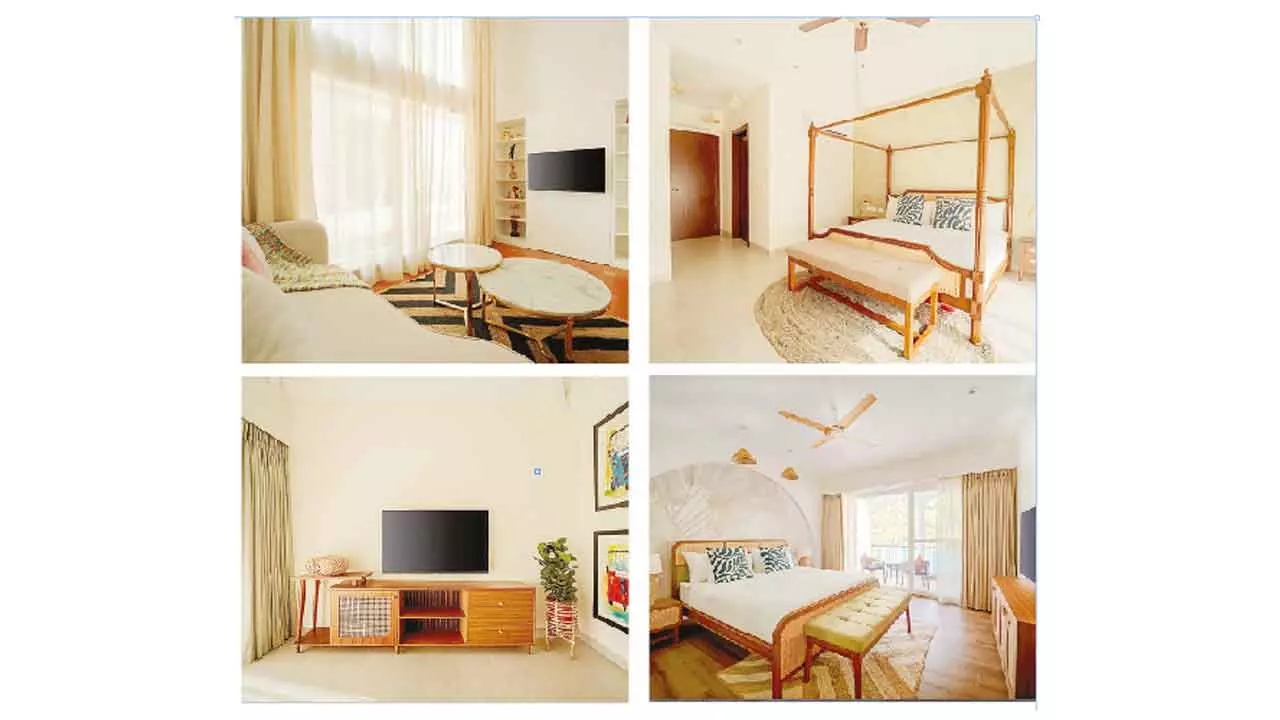
A common room is more than four walls—it’s the heart of connection within any community. Thoughtfully designed, it becomes a space where comfort meets creativity, and conversations naturally flow. With the right blend of colour, comfort, and collaboration, a common room transforms into a true hub of belonging
A common room is more than just a shared space; it is the heart of connection in any community—be it an office, a school, a hostel, or a co-living space. It’s where conversations spark, ideas flow, and relationships strengthen. Designing such a space requires more than just placing a few chairs and a coffee table. The key lies in blending colour, comfort, and collaboration into an environment that feels inviting, functional, and inspiring.
1. The role of colour in setting the tone
Colours have a remarkable psychological influence on mood and behavior. Warm shades like soft yellows, earthy oranges, and muted reds can create a sense of warmth and friendliness, perfect for encouraging casual conversations. Cooler tones like blues and greens, on the other hand, can promote calmness and focus—ideal for study corners or brainstorming zones. Neutral backgrounds combined with vibrant accent walls or art pieces can strike the perfect balance, keeping the space both lively and comfortable.
2. Comfort: Beyond soft cushions
Comfort is not just about plush sofas or bean bags; it’s about ensuring people feel at ease both physically and mentally. This means incorporating ergonomic seating, good lighting (both natural and artificial), and flexible layouts that accommodate different activities. A quiet nook with cozy armchairs can cater to those seeking solitude, while open seating arrangements encourage group interaction. Temperature control, acoustic panels to reduce noise, and adequate ventilation all add to the comfort quotient.
3. Designing for collaboration
The most effective common rooms are those that naturally foster interaction and teamwork. This can be achieved by integrating multi-purpose furniture, writable walls for impromptu idea-sharing, and tech-friendly setups with charging ports and projection facilities.
Round tables instead of long rectangular ones subtly encourage equal participation. Additionally, leaving open spaces for group activities or games can make the area more dynamic and engaging.
4. Adding personal touches
A common room should reflect the personality of its community. Displaying artwork created by members, featuring photographs from past events, or setting up a “community board” for announcements and ideas can make the space feel owned and loved. Plants can add a refreshing burst of life, while a mini-library or board game corner can offer more ways for people to connect.
5. The balance between structure and flexibility
An ideal common room is neither overly formal nor chaotically casual. Its design should allow for both spontaneous conversations and focused teamwork. This means choosing furniture and décor that can be easily rearranged to suit the occasion—be it a meeting, a celebration, or a quiet afternoon.
In conclusion, building the ideal common room is about creating a living, breathing space where people feel welcome, valued, and inspired. By thoughtfully combining the psychology of colour, the essentials of comfort, and the dynamics of collaboration, any common room can transform from a simple shared area into the true social hub of its community.
(The writer is a Founder & Creative Director, Neha Bhasin Interior Design)


