Bedroom Plants That Help Ease Insomnia and Improve Sleep Quality

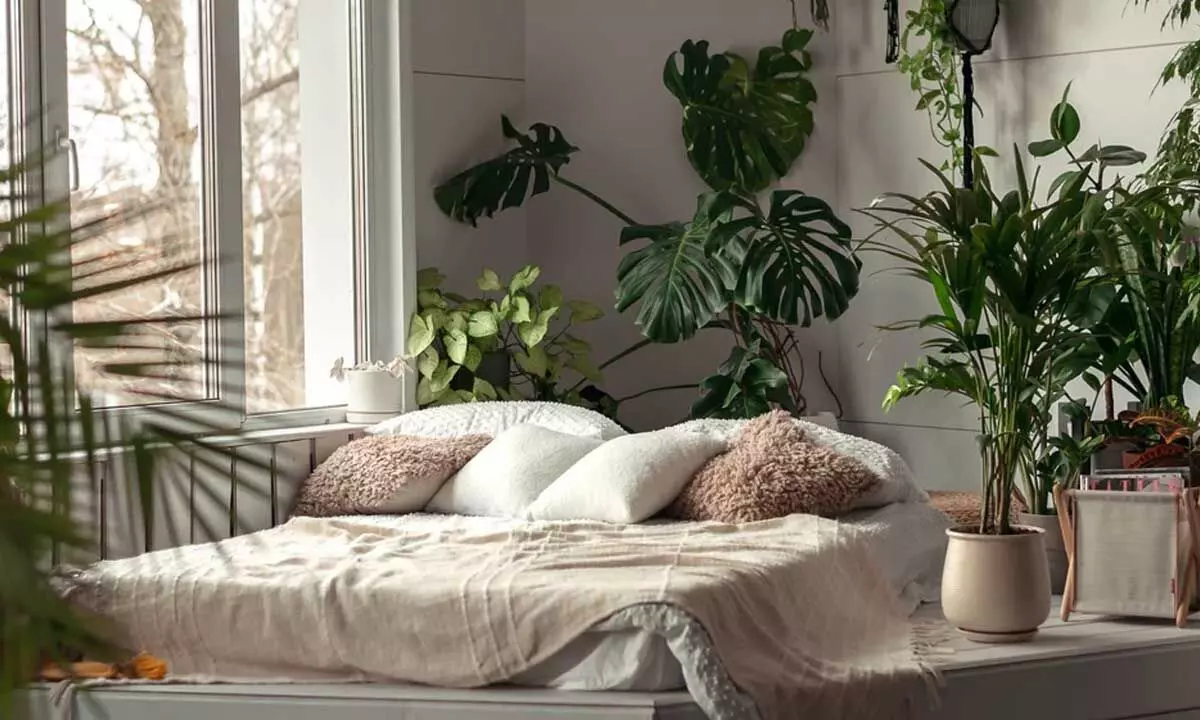
Simple, soothing bedroom plants can naturally ease stress, improve air quality, and help promote deeper, restorative sleep without costly routines.
For many people, falling asleep has become increasingly difficult due to stress, long hours on screens, and indoor pollution. While lifestyle changes like dim lighting or reduced screen time do help, there’s another simple and natural remedy that can transform the sleep environment—bedroom plants. Certain indoor plants release calming fragrances, filter toxins, and create a peaceful atmosphere that makes drifting off to sleep much easier.
These bedroom-friendly plants don’t just beautify your space; they actively contribute to a healthier, more relaxing environment by regulating humidity, easing anxiety, and improving air quality. Here are some of the best low-maintenance plants that support better sleep and reduce insomnia.
Jasmine: A Gentle Nighttime Companion
Jasmine is often grown outdoors, but it thrives indoors with the right care. Its soft, sweet scent is known for its soothing effect, helping ease restlessness during the night. The plant’s natural aroma can create a sense of calm, making it easier to relax and settle into a peaceful sleep.
Lavender: The Classic Sleep Enhancer
Lavender has long been associated with sleep and relaxation. Its fragrance is used in oils, teas, and sleep products because it triggers a natural calming response in many people. Keeping a lavender plant in the bedroom can help promote a healthy sleep cycle and create a more serene atmosphere.
Snake Plant: A Low-Maintenance Air Purifier
Ideal for beginners, the snake plant is one of the easiest indoor plants to care for. Its tall leaves help block stray light—an unexpected but useful benefit for light-sensitive sleepers. Beyond this, the snake plant also improves air quality, making the bedroom a healthier place to rest.
Peace Lily: Elegant and Calming
With wide green leaves and delicate white blooms, peace lilies bring both beauty and tranquility to a bedroom. They help maintain humidity and filter out indoor pollutants, adding comfort to the sleeping environment. However, they should be kept out of reach of pets and small children, as ingestion may be harmful.
Chamomile: Not Just for Tea
Known worldwide for its calming teas and aromatic oils, chamomile is equally helpful as a live plant. Its gentle fragrance helps relax the mind and body, easing symptoms of anxiety and encouraging deeper sleep. Chamomile flowers can even be used to brew fresh tea for an extra dose of relaxation before bedtime.
A Simple Step Toward Better Sleep
Improving sleep doesn’t always require expensive gadgets or complicated nighttime routines. Sometimes, adding a few carefully chosen plants to the bedroom is enough to create a naturally restful space. These plants help purify the air, soothe the nervous system, and enhance the overall ambience—making them a gentle, accessible remedy for insomnia and sleep troubles.