Banarasi, Kanjivaram, Chanderi: Decoding the Differences Between India’s Iconic Handloom Weaves

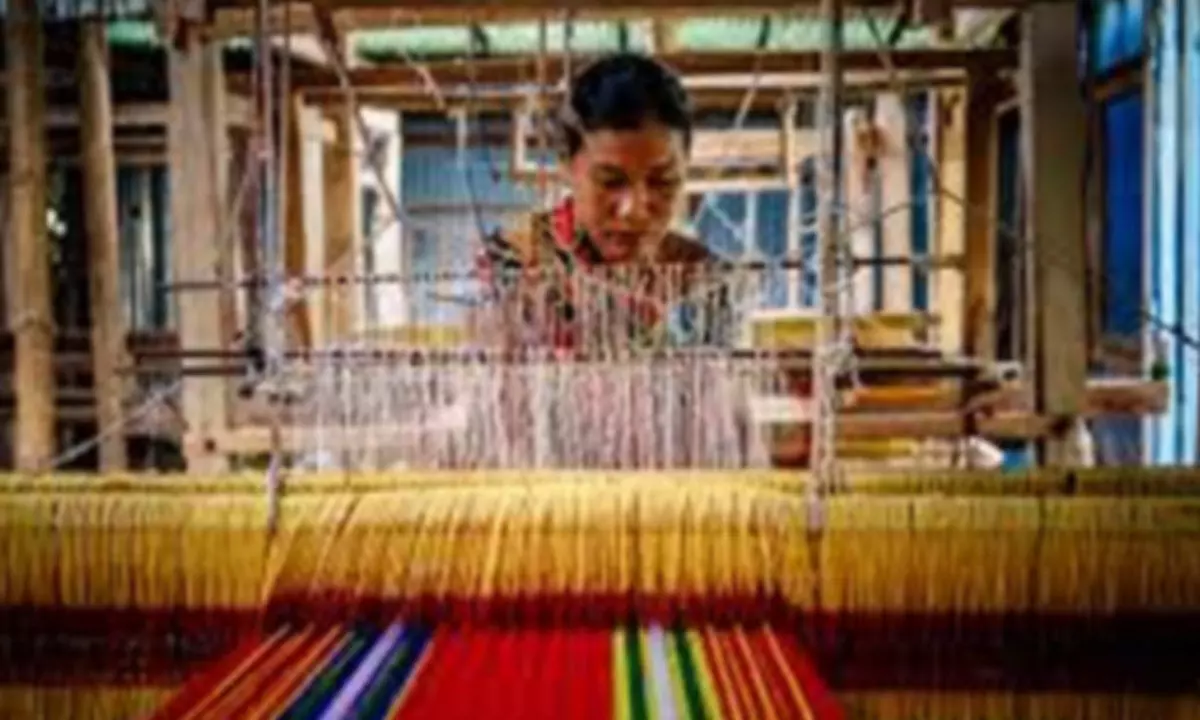
Each iconic Indian weave—Banarasi, Kanjivaram, and Chanderi—reflects distinct regional artistry through fabric, motifs, texture, and weaving technique.
India’s handloom heritage is a kaleidoscope of artistry, tradition, and cultural identity. Among the most celebrated weaves in the country are Banarasi, Kanjivaram, and Chanderi—each known for its exceptional craftsmanship, historical legacy, and unique visual appeal. Yet, to the untrained eye, distinguishing between them can be challenging.
To help you appreciate and identify these heritage textiles more clearly, here's a guide that unpacks what makes each weave stand out:
Banarasi: Regal Opulence from Varanasi
- Visual Appeal: Known for its lavish appearance, Banarasi sarees often feature ornate gold and silver zari work, creating a rich, gleaming finish.
- Design Influence: Drawing heavily from Mughal aesthetics, common motifs include intricate florals, vines, and jhallar patterns that reflect a fusion of Persian and Indian art.
- Feel & Texture: The fabric is dense, structured, and often heavy due to the fine silk and detailed zari embroidery—making it a top choice for bridal ensembles and grand celebrations.
Kanjivaram: Temple-Inspired Grandeur from Tamil Nadu
- Craftsmanship: Originating in Kanchipuram, these sarees are distinct for their complex technique where the border and body are woven separately, then masterfully interlocked.
- Motif Signature: Inspired by South India’s rich temple culture, motifs often include peacocks, elephants, and temple gopurams (domes), symbolizing prosperity and tradition.
- Texture: The silk is thick, glossy, and heavy, lending a luxurious drape that commands attention and reverence at festive or ceremonial events.
Chanderi: Ethereal Elegance from Madhya Pradesh
- Light & Airy: Unlike its more opulent counterparts, Chanderi fabric is known for its sheer, lightweight quality—perfect for hot climates or minimalistic style.
- Design Details: Adorned with delicate motifs like tiny butis, subtle florals, and geometric forms, Chanderi sarees strike a balance between elegance and simplicity.
- Finish: A soft, translucent texture with a gentle sheen gives Chanderi an ethereal charm that resonates with modern yet traditional sensibilities.
Whether it’s the rich sheen of a Banarasi, the bold elegance of a Kanjivaram, or the dreamy delicacy of a Chanderi, each weave tells a story of cultural pride and artisanal mastery. Recognizing their differences is not just about fashion—it’s about honoring centuries of textile tradition.