Villagers seek infra boost from govt after naxals surrender

The villagers of the Malenadu region have gained freedom from the 20-year fear of Naxalism. However, the real challenge for the government may just be beginning
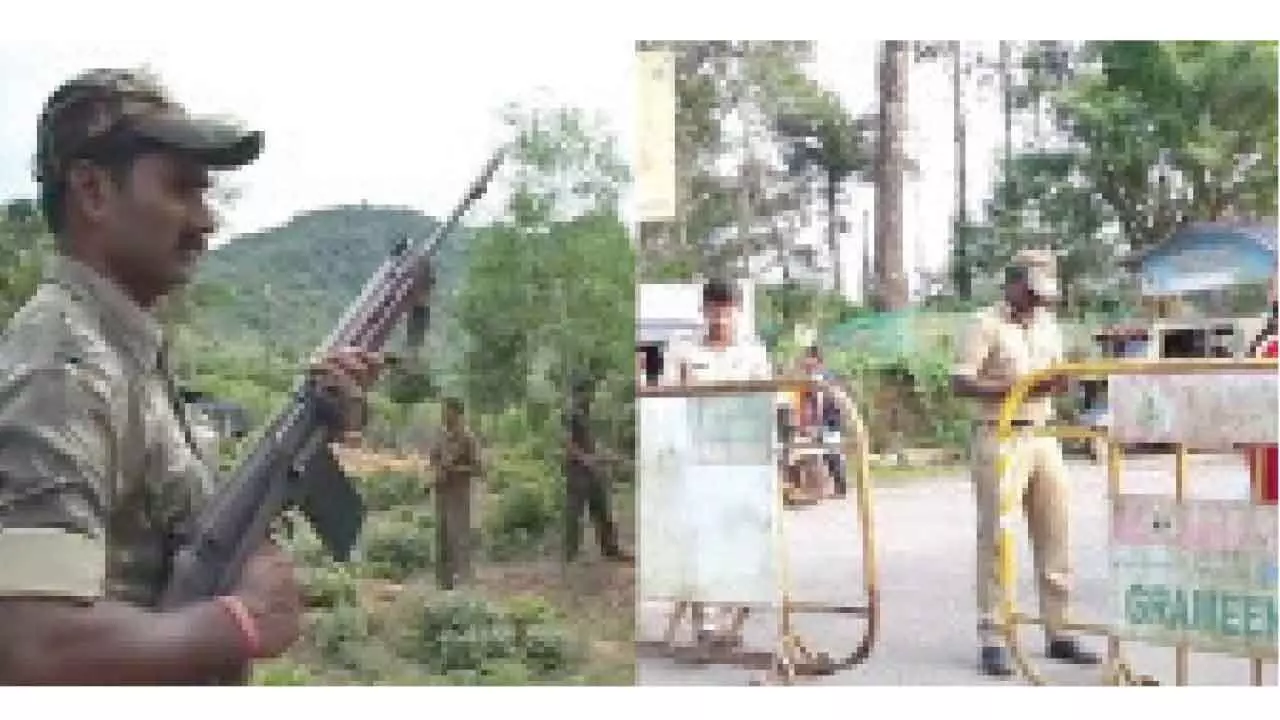
Chikkamagaluru: The two-decade-long impact of Naxalite footprints has come to a definitive end. Consequently, the government alreadly disbanded the Anti Naxal Force (ANF) that was established to eliminate the Naxal threat. However, the question arises: if there are no Naxals in the forests of Chikkamagaluru what will be done about the issues faced by the marginalized villages? While it’s true that there are no Naxals in these forests, the problems still persist.
Chikkamagaluru has a dark history with Naxal activities. In the long-standing tug-of-war between the government and the Naxals, ordinary citizens, police, and Naxalites alike have lost their lives. The villagers of the Malenadu region have gained freedom from the 20-year fear of Naxalism. However, the real challenge for the government may just be beginning.
The government claims to have brought an end to Naxalism in the forests within two months. But the question remains: what’s next? The government has introduced packages to integrate Naxals back into mainstream society, but the plight of the rural areas of Malenadu continues.
People became Naxals largely due to the anti-people policies of the government. Now, if officials return to the villages, who will listen to the stories of the people? Therefore, former Naxals are urging the government to address the concerns of the populace. The indigenous people in the villages still lack basic necessities like water, electricity, roads, and land rights. The government must take this seriously and assertively address these issues. The government also needs to engage the central government regarding the serious problems arising from forest laws, which infringe upon the rights of the people to live. Hence, former Naxals have requested the government to focus on the people’s issues following the end of Naxalism.
In the budget, the government has set aside 10 crore for the development of Naxal-affected regions in Malenadu. While this is a welcome step, such a sum is hardly sufficient. The government needs to reserve more funds and focus on development that is environmentally sustainable and scientifically sound. Development should also include farmers, laborers, and indigenous peoples, as former Naxals emphasized the necessity for holistic advancements without harming the
environment.
Overall, the footprints of the red naxalites in Malenadu are now relegated to the pages of history. The state has become Naxal-free. However, the Naxal movement arose by garnering the support of the locals who were left to grapple with their problems. When looking at the allocations made for addressing these issues, the local communities feel disheartened, believing that no meaningful changes can be achieved.