TSPL’s Stubble-to-Biofuel Circular Model Halves Farm Fires in Punjab’s Mansa Helps Reduce Stubble-Burning Impact on Delhi-NCR Air

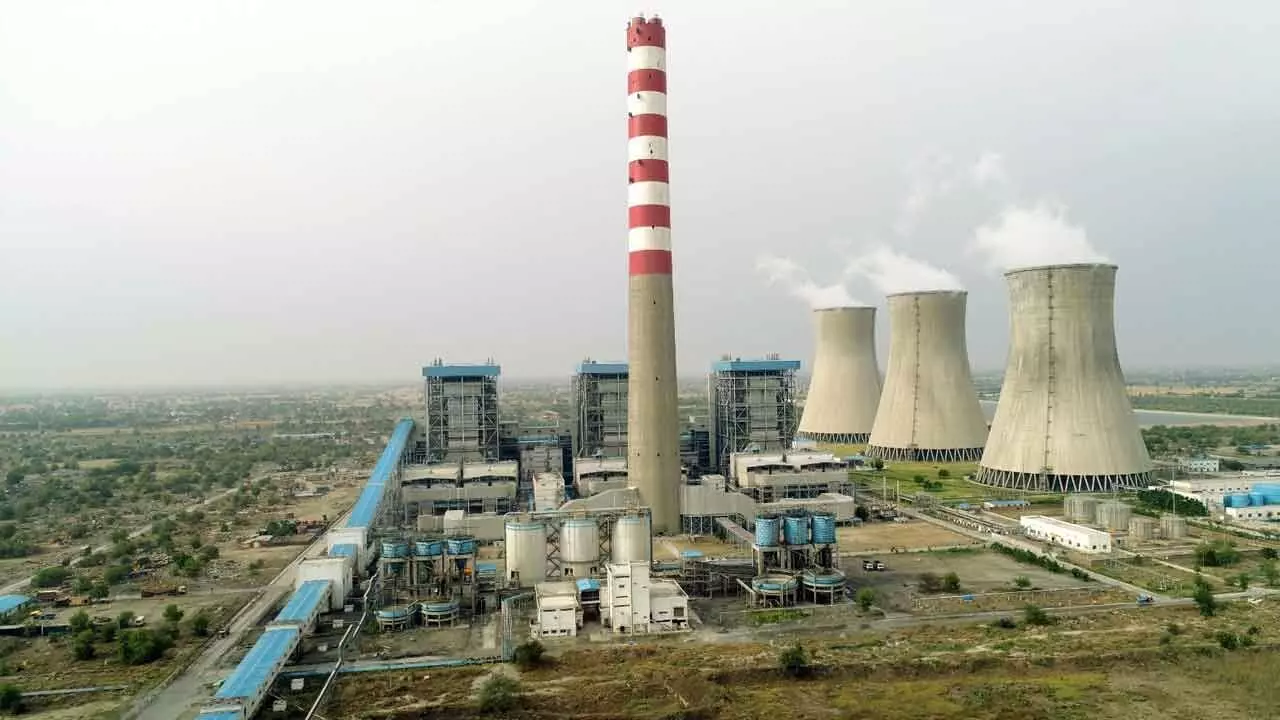
Bengaluru : Talwandi Sabo Power Limited (TSPL), Vedanta Power’s 1,980 MW supercritical thermal power plant in Punjab’s Mansa, has activated the state’s most advanced and large-scale circular biofuel ecosystem, delivering measurable improvements in air quality and a sharp reduction in stubble-burning in what was once one of Punjab’s major hotspots for farm fires.
Data released by district administration data reveals that Mansa has recorded a dramatic decline in stubble burning incidents in harvesting season- from 2,253 cases in 2023 to 618 in 2024, and further down to 306 in 2025, amounting to an 87% reduction in just two years and a 50.5% drop in one year. Of the district’s 244 villages, 104 reported zero farm fires in 2025, including earlier high-burn hotspots such as Heron Kalan and Dodra, which fell from 45 and 31 cases respectively in 2023 to zero this year.
The Deputy Commissioner of District Mansa . Navjot Kaur, I.A.S. said, “It has been our consistent endeavour to make stubble-burning prevention a long-term, sustainable model for the district. TSPL’s 360-degree approach, supporting stubble management, enabling farmers to sell paddy straw rather than burn it, and converting this residue into clean energy, has played a significant role in this transition. The sharp decline in farm fires across the region reflects the impact of this collaborative effort.”
TSPL’s supercritical plant cannot process conventional biomass and requires high-density, carbon-neutral biofuels, not easily available in the market. To overcome this challenge and enable large-scale adoption of torrefied biomass pellets, TSPL championed the creation of a robust ecosystem to ensure pellets’ steady supply. The company supported its partners in setting up Punjab’s largest torrefied bio-pellet manufacturing facility with a capacity of 500 tons per day, near its plant. This has helped convert agricultural residue, primarily paddy straw residue, procured locally, and converted into a high-value fuel source, creating an assured buy-back market for farmers.
Not only this, enhanced biomass generation and better access to torrefied pellets have enabled TSPL to co-fire over 2,50,330 MT of biomass as of 30 November 2025, achieving 5.07% of its year-to-date co-firing target. Improved biomass utilization is encouraging farmers to adopt cleaner crop-residue management practices, reducing stubble burning across the harvest season. This resulting decline has directly contributed to better air quality and reduced seasonal smog in Punjab and the NCR, traditionally impacted by parali (crop stubble) burning