Tree conservation must be Forest dept’s priority: Khandre

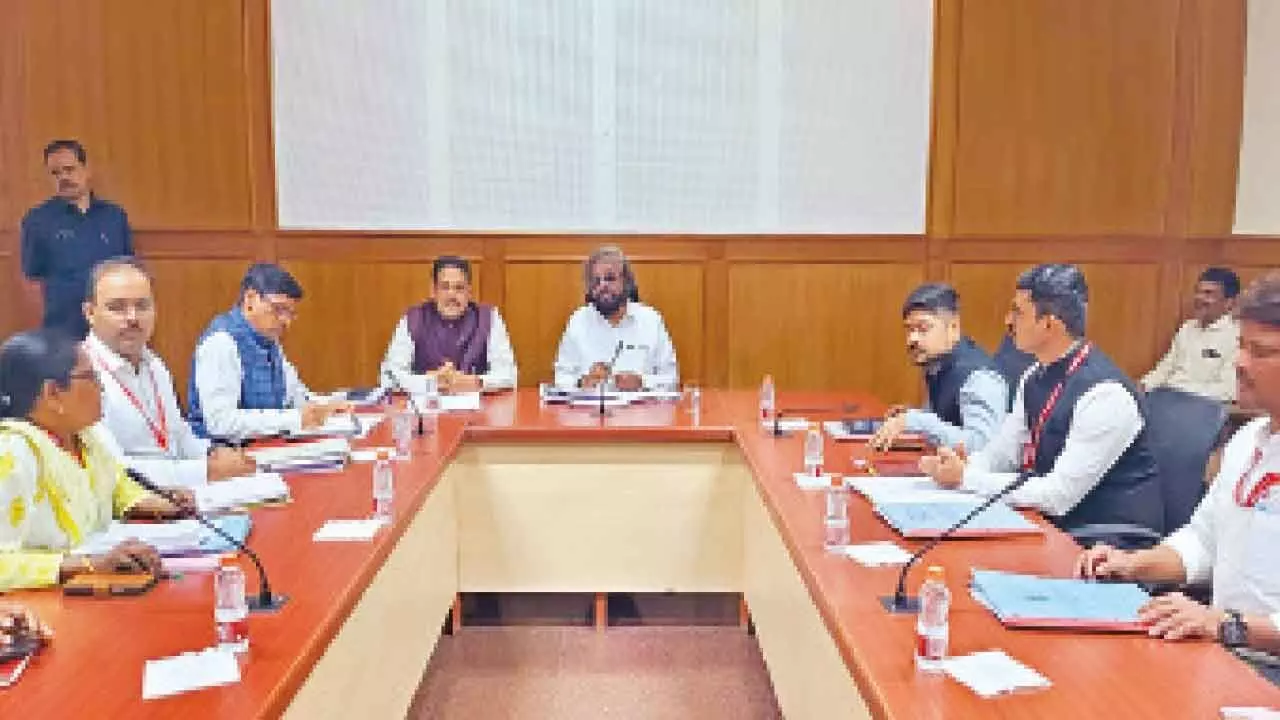
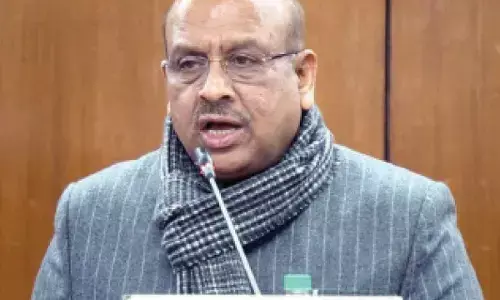
Belagavi: With the world facing the severe impacts of global warming and climate change, tree conservation and afforestation must become the top priority of the Forest Department, said Karnataka Minister for Forests, Ecology and Environment Eshwar B. Khandre. Chairing a meeting of forest officials of the Belagavi Circle at the Suvarna Vidhana Soudha, the minister directed officials to expand green cover by planting and properly maintaining saplings across non–Western Ghats regions of the Belagavi forest circle.
He instructed that saplings be planted and nurtured on both sides of national highways, district main roads, and other connecting roads within Belagavi city limits. An audit must be conducted to assess how many of the planted saplings have survived, and a detailed report should be submitted, he added. Stressing accountability, Khandre said transparency must be ensured in all works undertaken by the Forest Department.
Focus on eco-tourism
The minister directed officials to strengthen eco-tourism at the Gokak Ghataprabha Bird Sanctuary by providing better basic amenities for tourists and deploying additional boats to enhance visitor experience while ensuring environmental protection.
Expressing concern over complaints that a large number of youth visiting Vajrapoha Falls were disturbing wildlife, Khandre instructed officials to restrict public entry to the area and maintain strict vigilance to prevent any untoward incidents.
Directions on forest encroachment clearance
Khandre clarified that poor families who have encroached upon forest land of less than three acres for livelihood purposes, including patta land, should not be harassed. However, he ordered the immediate clearance of encroachments exceeding three acres and all fresh encroachments made after 2015. He further directed that cleared forest areas be developed into green zones by planting native species and creating plantation blocks.
Public awareness meetings in forest fringe villages
The minister instructed officials to hold public outreach meetings in forest fringe villages affected by human–wildlife conflict. He emphasized the need to educate residents about the dangers of illegally drawing power connections to electric fences, which often lead to wildlife deaths, and to create awareness about wildlife protection laws. Chief Conservator of Forests Manjunath Chouhan, Deputy Conservator of Forests Kranti, and other senior officials were present at the meeting.