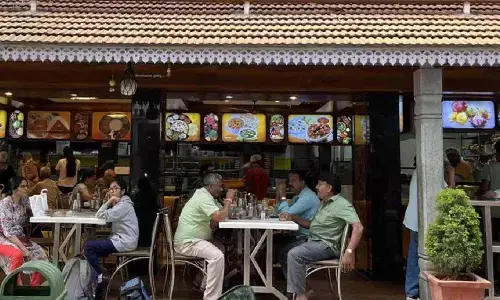
Safari ban impacts local economy in Mysuru and Chamarajanagara

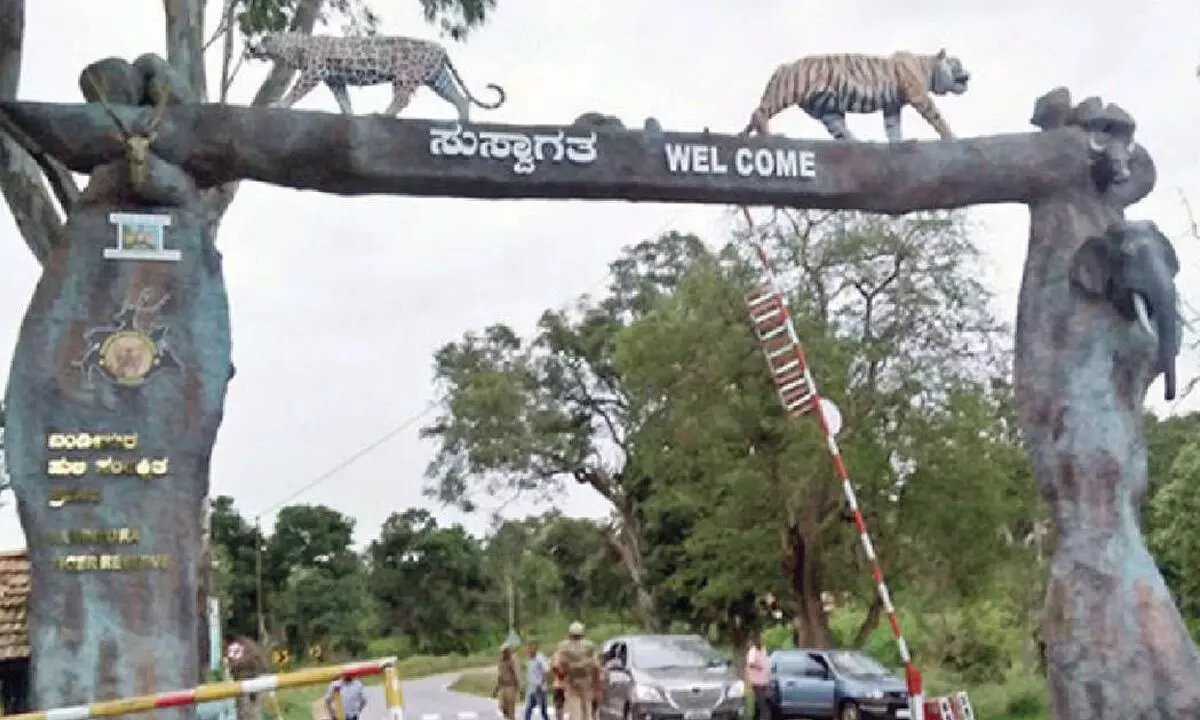
Mysuru: The ongoing ban on safari vehicles in the Mysuru and Chamarajanagara regions has led to significant concerns among local businesses and workers. With the increase in tiger attacks in these areas, the authorities imposed a temporary ban on safari tours, which has now lasted for over a month. As a result, safari vehicles have come to a halt, severely affecting the income of local businesses and workers dependent on tourism.
The halt in safari services has led to a drastic decline in revenue for local resorts, home stays, and hotels, with many workers facing reduced wages and job insecurity. Safari guides and jeep drivers, who relied heavily on tourism, are particularly feeling the brunt of the situation, facing financial uncertainty. Local shops selling forest products and souvenirs, such as jerkins, have also been shut, adding to the hardship.
The temporary ban was imposed in an effort to ensure the safety of tourists and manage the increasing number of human-wildlife conflicts, particularly with tigers. However, with no clear timeline for resumption, businesses in the region are calling on the government to lift the ban and restart safaris. Resort and home-stay owners, as well as other local traders, have urged the authorities to reconsider the decision, stating that it is hurting the local economy and affecting livelihoods.
While the ban was introduced with scientific reasons to protect both wildlife and human safety, the economic fallout for local residents is becoming increasingly difficult to ignore.
The community is appealing for a balanced approach that addresses both safety concerns and the need to support local businesses, which play a vital role in the region’s economy.
The government’s decision to lift the safari ban remains uncertain, with businesses and locals hoping for a resolution in the near future.