High Court Delivers Scathing Critique Of Karnataka Government With Nine Critical Questions Over Fatal Stadium Stampede

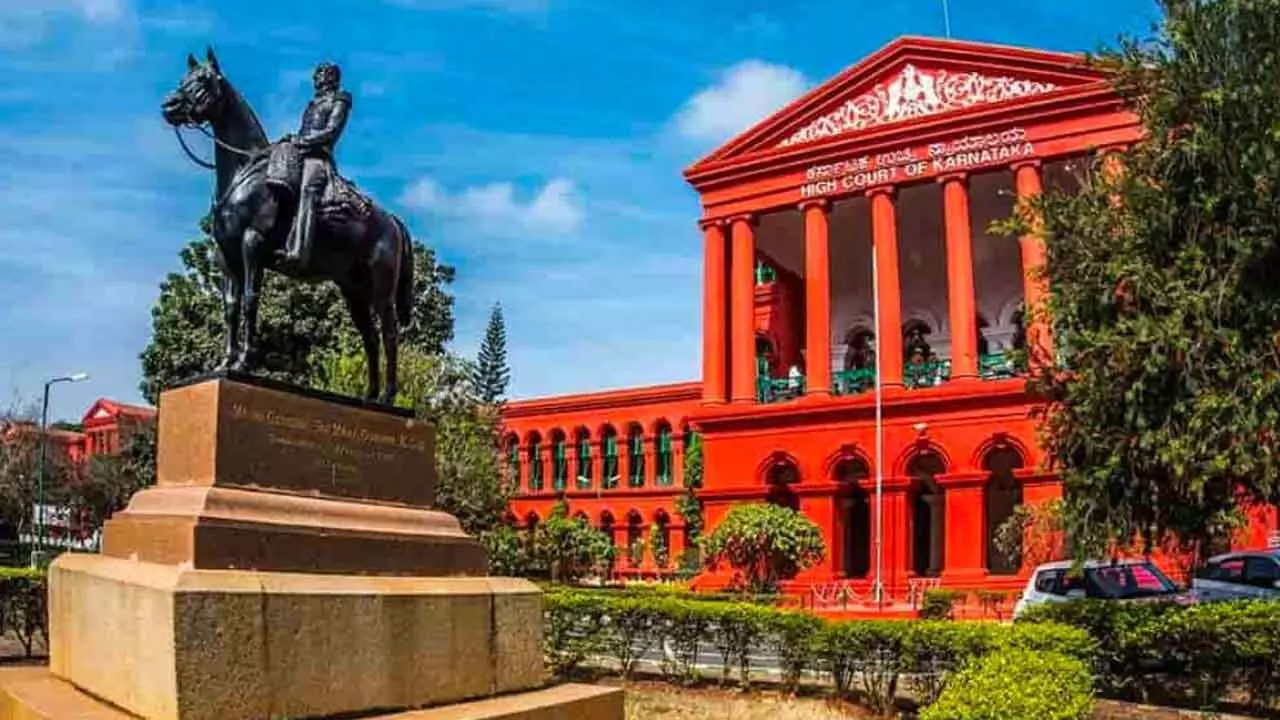
Karnataka High Court severely criticizes state government over Bengaluru stampede handling, poses nine pointed questions about crowd management, permissions, and emergency response in tragic incident that killed 11.
The Karnataka High Court delivered a stern rebuke to the state government during hearings related to arrests in the Bengaluru stampede case, demanding comprehensive accountability for the tragic incident that claimed eleven lives. The judicial intervention highlighted significant procedural failures and questioned the administration's crisis management capabilities.
During the proceedings, the court expressed serious concerns about the government's handling of both the event and its aftermath, pressing the Advocate General representing Karnataka for detailed explanations regarding multiple aspects of the disaster management response.
The court learned that investigation responsibility had been transferred to the Crime Investigation Department, yet arrests continued to be conducted by Bengaluru Central Crime Branch while accused individuals were being presented by Cubbon Park Police. This jurisdictional confusion prompted sharp judicial scrutiny.
Following the Advocate General's acknowledgment of procedural oversights in notifying the court about case transfer arrangements, the High Court formulated nine comprehensive questions demanding state accountability:
The judicial queries encompass decision-making processes regarding when and who authorized the victory celebration and its execution format. Traffic regulation measures implemented for the event came under examination, along with crowd control strategies employed by authorities.
Questions about medical facilities and emergency preparedness at the venue highlighted concerns about safety protocols, while the court sought information about advance crowd assessments and capacity planning for the massive gathering.
The judicial panel demanded explanations about immediate medical response to injured victims, including response times and hospital transportation procedures. Standard operating procedures for managing crowds exceeding 50,000 people at sporting events or similar celebrations became a focal point of inquiry.
Permission requirements and authorization processes for organizing the event completed the comprehensive list of questions requiring government responses.
The state requested additional time to formulate responses and indicated plans to submit answers in sealed cover format to protect sensitive investigation details. The Advocate General explained that accused parties are exploiting discrepancies between investigating and arresting agencies to challenge arrest legality and seek judicial relief.
These procedural complications necessitate confidential submission of certain details "in the interest of justice," according to government representatives. The confusion over agency jurisdiction has created legal vulnerabilities that defense attorneys are attempting to exploit.
Royal Challengers Bengaluru official Nikhil Sosale, arrested in connection with the stampede, challenged his detention's legality during Monday's court session. Event organizer DNA Entertainment Networks Private Limited filed a petition claiming the Chief Minister had publicly invited attendance at the felicitation ceremony.
The judicial intervention represents a significant escalation in scrutiny of government crisis management and raises fundamental questions about administrative preparedness for large-scale public events. The court's pointed questions suggest potential systemic failures in crowd control planning and emergency response protocols.
The case continues to expose tensions between government accountability and investigative secrecy, with judicial authorities demanding transparency while law enforcement agencies seek to protect ongoing criminal proceedings through confidential submissions.