Great backyard bird count: St Aloysius’ Mangaluru campus tallies 32 bird species

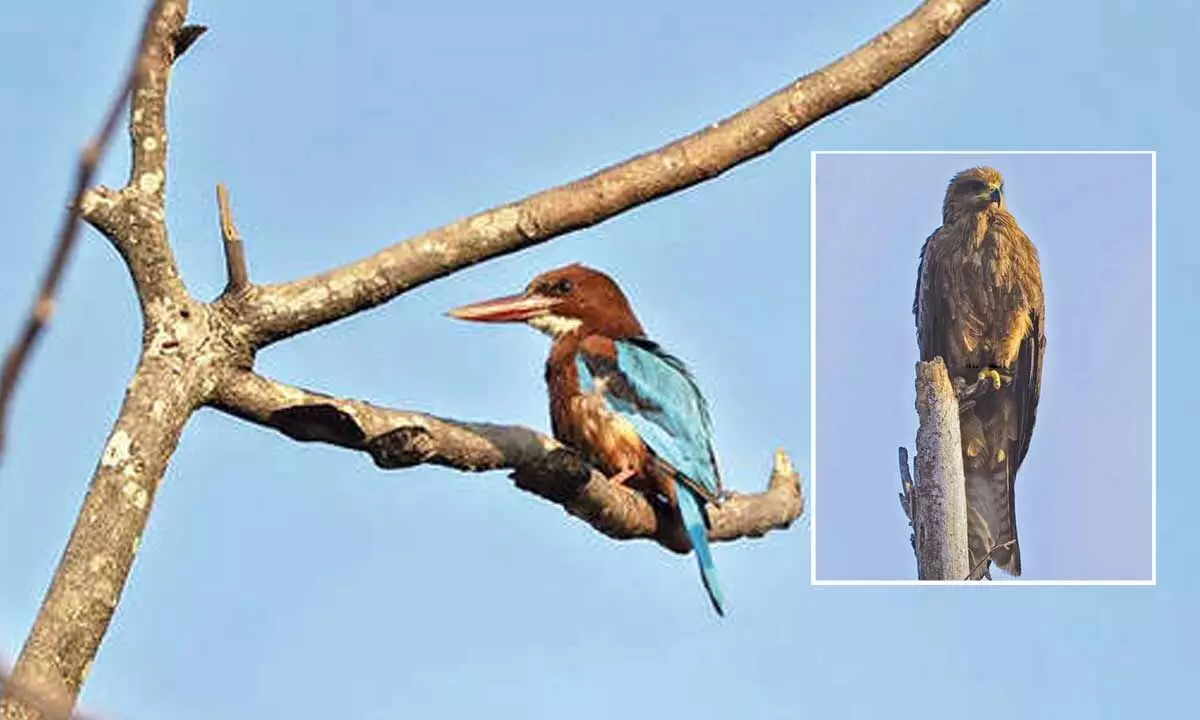
Mangaluru: Aloysius (Deemed to be University) in Mangaluru wrapped up its Campus Bird Count 2026 between February 13 and 16, joining the countrywide Great Backyard Bird Count coordinated by Bird Count India and eBird. The exercise, held on the university’s 145-year-old, 37-acre campus in the city center, recorded a total of 32 bird species.
Since earning Deemed to be University status two years ago, the institution has taken part in this citizen-science effort every year starting from 2019, steadily feeding observations into national databases.
This year’s survey was led by assistant professors Kiran Vati K and Glavin Thomas Rodrigues from the zoology department, with enthusiastic involvement from faculty and students who methodically surveyed varied habitats across the grounds.
Sightings included familiar city and woodland residents like Rock Pigeon, Greater Coucal, Asian Koel, and Asian Palm Swift. Raptors such as Black Kite and Brahminy Kite were seen gliding overhead or resting in trees. Water-associated birds—Little Cormorant and Eastern Cattle Egret—highlighted the campus’s links to surrounding ecosystems.
Among arboreal species noted were White-throated Kingfisher, White-cheeked Barbet, Malabar Flameback, and Rose-ringed Parakeet. Seasonal migrants Ashy Drongo and Green Warbler appeared during the count window.
Evidence of active breeding stood out: nests belonging to Red-whiskered Bulbul were located, and the Indian Golden Oriole, a periodic breeder in peninsular India, was spotted making use of the campus’s suitable cover.
Gardens and dense tree canopy supported insect-eaters and nectar seekers, including Common Tailorbird, Gray-breasted Prinia, Pale-billed Flowerpecker, Purple-rumped Sunbird, Purple Sunbird, and Loten’s Sunbird. Additional highlights encompassed Chestnut-tailed Starling, Common Myna, Jungle Myna, Orange-headed Thrush, Oriental Magpie-Robin, and White-rumped Munia.
The university’s unbroken participation since 2019 has built a robust record of long-term avian trends. The ongoing presence of resident birds, passage migrants, and nesting pairs demonstrates how carefully maintained urban green pockets can sustain diverse wildlife.