Community-led waste segregation shows strong environmental gains in city

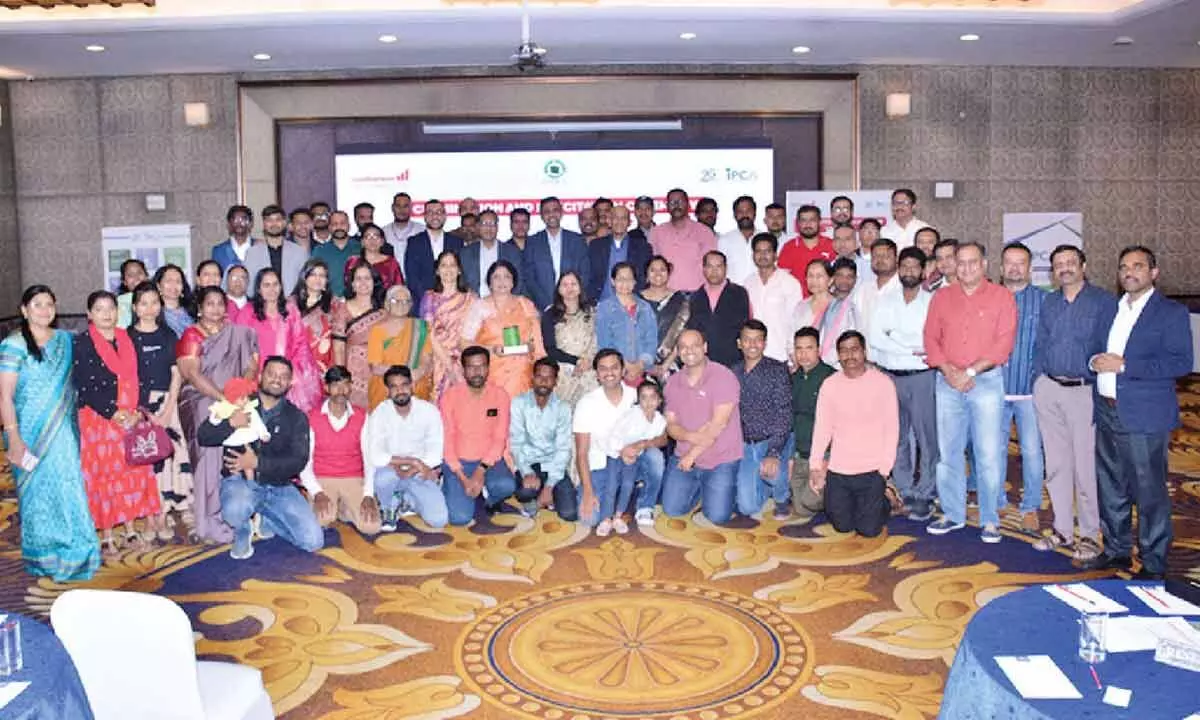
A community-driven waste management initiative led by the Indian Pollution Control Association (IPCA), in collaboration with the Swarnalata Motherson Trust, has demonstrated significant environmental impact across Bengaluru.
Bengaluru: A community-driven waste management initiative led by the Indian Pollution Control Association (IPCA), in collaboration with the Swarnalata Motherson Trust, has demonstrated significant environmental impact across Bengaluru. The SORT Project – Phase II (Segregation Of Waste for Recycling and Treatment), implemented under the CSR programme of the Motherson Group, was successfully concluded with a felicitation ceremony marking its completion at 40 residential and institutional locations in the city.
The project was implemented in prominent apartment complexes and institutions such as SNN Raj Etternia, Sterling Villa Grande, Reliable Lifestyle Layout, Jyoti Nivas College, Prestige Tranquility, Mantri Pinnacle and Jeevan Sathi LIC Colony, among others. The initiative focused on decentralised waste management by encouraging segregation of wet waste at source, on-site composting and reducing the burden on Bengaluru’s landfill sites.
Over the past two years, the SORT project has highlighted the effectiveness of citizen participation in addressing the city’s growing waste challenge. While Phase I laid the foundation, Phase II strengthened behavioural change through awareness campaigns, workshops, street plays and hands-on training. More than 2,700 residents, students and housekeeping staff were sensitised during the programme.
As a result of the intervention, nearly 1.7 lakh kilograms of wet waste were treated at source, preventing over 1.6 lakh kilograms of CO₂-equivalent greenhouse gas emissions. The initiative also led to the generation of over 43,000 kilograms of organic compost, contributing to soil health and promoting circular waste management practices.
A key feature of the project was the use of Aerobin composters, which convert biodegradable waste into nutrient-rich compost within 40–45 days.
This decentralised model significantly reduced waste sent to dump yards while encouraging communities to take ownership of the waste they generate. Speaking at the event, IPCA Deputy Director Radha Goyal stressed that unsegregated waste poses a major environmental threat to Indian cities and called for collective action. Environmental leaders and representatives from the Bengaluru Apartment Federation also addressed the gathering, underlining that decentralised waste management is no longer optional but essential for a rapidly expanding city like Bengaluru.