Codava Group Marks 240 Years of Devattparamb Massacre, Renews Call for Genocide Recognition

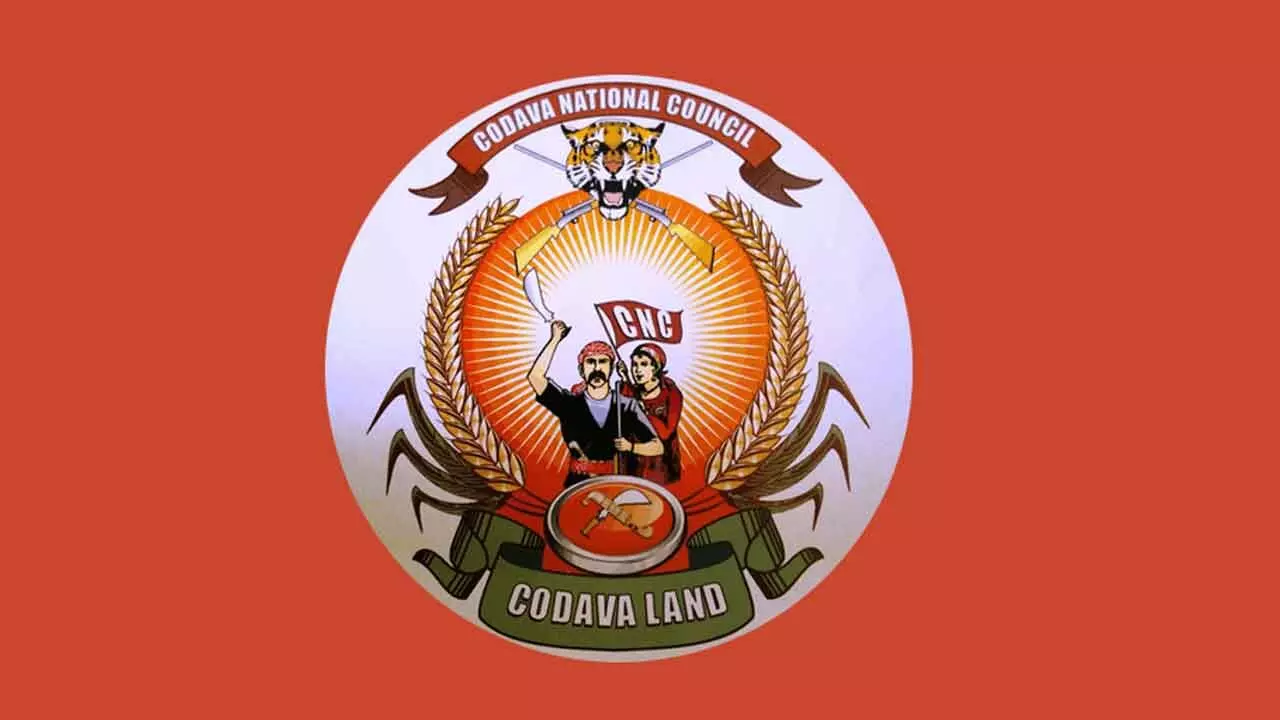
The Codava National Council reiterates its demand for national and international acknowledgement of the 1785 Devattparamb killings, which it describes as a genocide that reshaped the community’s demographic and cultural future.
Two hundred and forty years after the Devattparamb massacre, the Codava National Council (CNC) has renewed its call for official recognition of what it describes as one of the darkest chapters in Kodava history. The organisation observed the anniversary on Thursday, paying homage to thousands of victims who were killed on December 12, 1785.
Marking the 240th year of the event, the CNC organised commemorative programmes across Kodagu to honour those who perished and to reiterate long-standing demands for acknowledgment from the State, the Centre and international bodies. According to the CNC chief NU Nachappa, the Devattparamb killings—carried out during the expansionist campaigns of Tipu Sultan—led to the deaths of an estimated 60,000 to 70,000 Kodavas. Many more, the group maintains, were taken captive, forcibly converted, tortured or transported into servitude.
CNC leaders said the annual observance is not only a remembrance ritual but also a call for historical justice. “A community cannot heal until its suffering is acknowledged,” leaders said during the event, stressing that the massacre had dramatically altered the social fabric and demographic profile of the Kodava people. The organisation has, over the years, drawn parallels between the Kodava experience and other globally recognised atrocities, urging that the 1785 episode be termed a genocide and recorded as such by Indian and international institutions.
The CNC has also intensified its campaign against what it describes as attempts to “whitewash” the historical record surrounding Tipu Sultan. The group argues that celebrations or glorification of the 18th-century ruler overlook the atrocities linked to his military actions in Kodagu, particularly at Devattparamb. While debates around Tipu Sultan’s legacy remain politically and historically contested in Karnataka, the CNC maintains that its position is rooted in documented suffering and collective memory.
The Council’s wider charter includes the preservation of Codava culture, language and customary institutions, which members say have been weakened by centuries of demographic pressure and historical disruptions. CNC leaders reiterated demands for institutional measures to protect Codava heritage, including legal recognition of their distinct cultural identity.
As ceremonies concluded, the organisation affirmed that its annual observance will continue until the massacre receives formal recognition. “We owe it to our ancestors and future generations,” the CNC stated, calling the Devattparamb anniversary a reminder of both historical trauma and cultural resilience.