Codava Council to launch satyagraha for virtual constituency

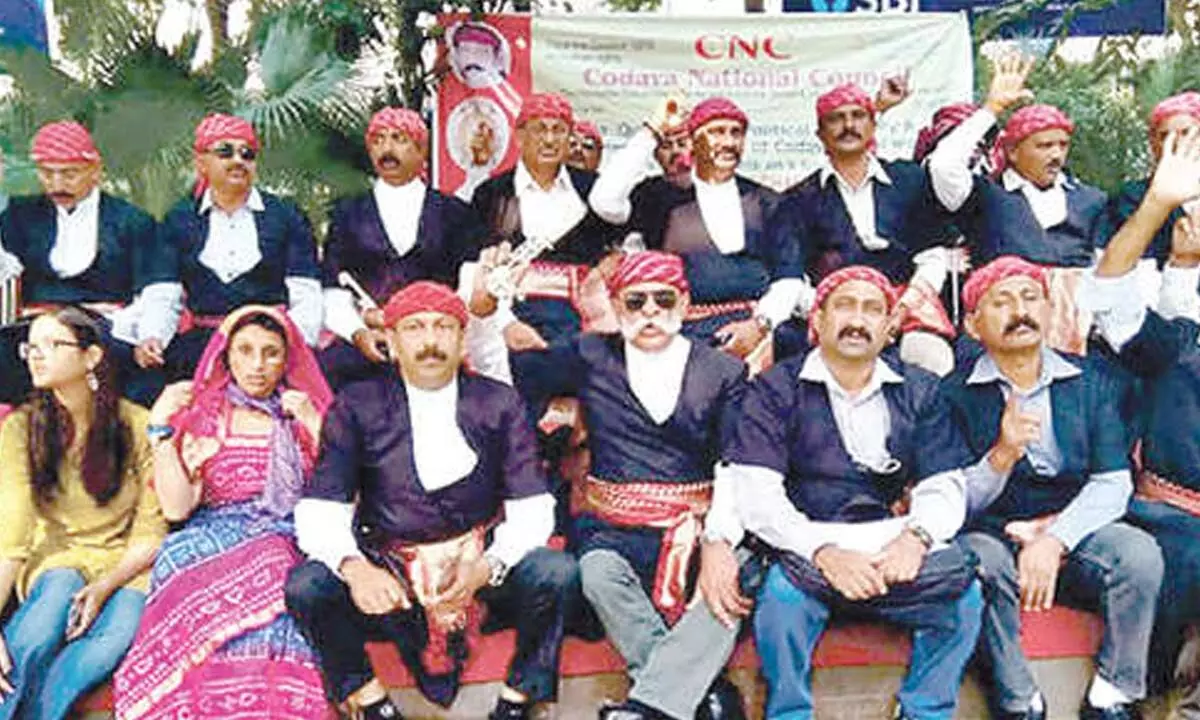
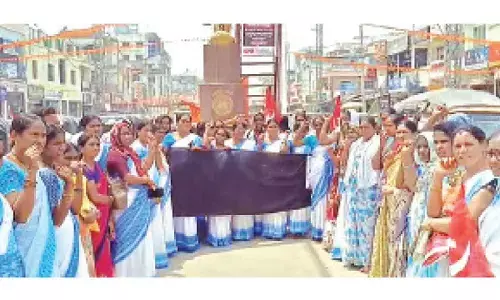
Madikeri: TheCodava National Council (CNC) has announced a Satyagraha on April 2 at 10:30 am near the Deputy Commissioner’s office in Madikeri to press for creation of exclusive “virtual” or “intangible” constituencies for the indigenous Codava community in Parliament and the Karnataka Legislative Assembly.
Drawing parallels with Sikkim’s unique Sangha constituency chairperson of the CNC NU Nachappa stated in a press release here today — reserved exclusively for Buddhist monks and nuns under Article 371(F) — the CNC is seeking a similar non-territorial seat where only registered members of the Codava community can vote and contest elections, irrespective of their place of residence within Kodagu.
With an estimated population of 70,000–100,000, the Codavas describe themselves as an animistic indigenous group with deep ancestral roots solely in Kodagu, akin to Kashmiri Pandits in Kashmir or Native Americans in the United States. They argue that post-merger of the erstwhile Part-C State of Coorg with Mysore in 1956, their political representation has steadily declined. The demand has gained urgency ahead of the 2026 delimitation exercise, which the community fears will further dilute its voice through inclusion of neighbouring areas. The CNC has also sought Scheduled Tribe status, inclusion of the Codava Thak language in the Eighth Schedule, Sixth Schedule autonomy for Codava land, and constitutional safeguards for their traditional Gun-Thok practices. Leaders have criticised “unscrupulous historians” for allegedly distorting Codava history and demanded a separate enumeration code for the community in the 2027 Census. Codavas were recognised as a distinct race in censuses until 1931 but were later assimilated into larger groups. The protest memorandum will be addressed to the President, Prime Minister, Union Law Minister, and the Election Commission. The CNC has submitted similar representations multiple times since 2023 and organised several awareness programmes.
The development coincides with the Centre’s move to introduce a bill expanding Lok Sabha strength from 543 to 816 seats to enable smooth rollout of the Women’s Reservation Act, reserving about 273 seats for women.