Civic administration transitions from BBMP to GBA

Five Corporations formed, real estate gets a boost
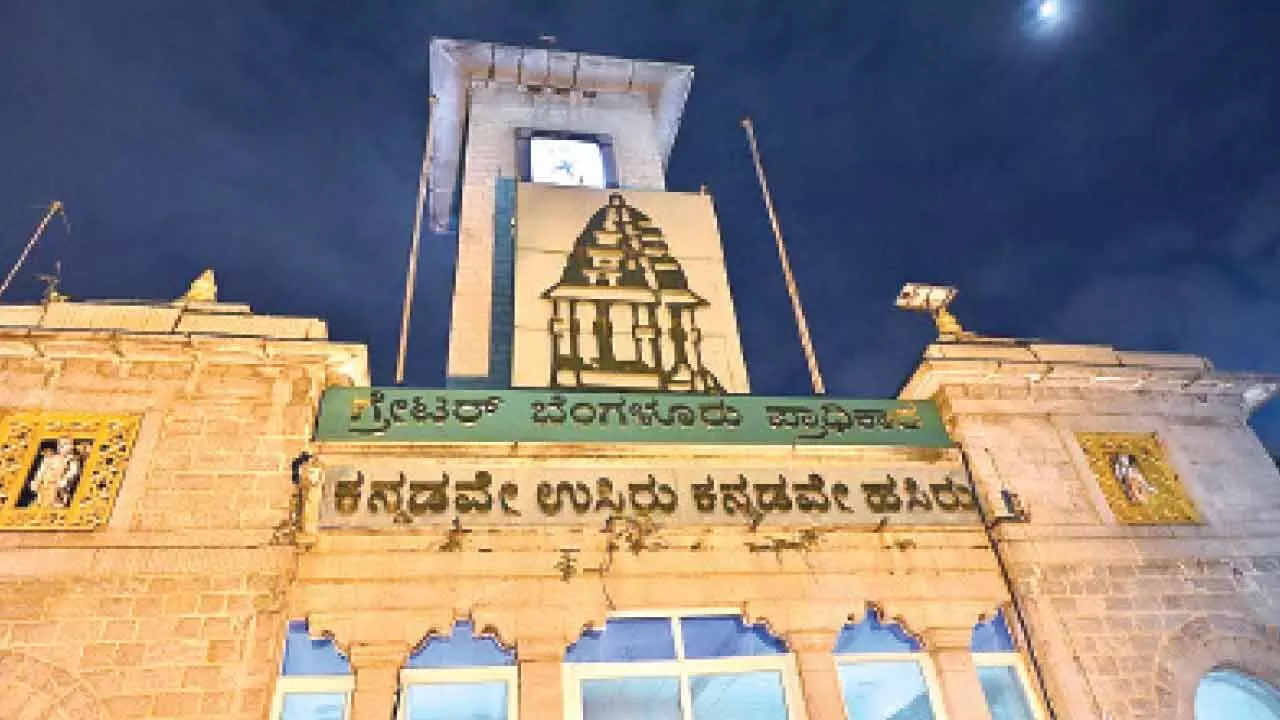
In a major administrative overhaul, the Karnataka government has replaced the 18-year-old Bruhat Bengaluru Mahanagara Palike (BBMP) with the newly formed Greater Bengaluru Authority (GBA), marking a significant shift in the governance structure of the city. Under the new framework, five separate city corporations have been constituted with the stated objective of decentralising administration and improving civic management.
Unlike the earlier system where a single Commissioner oversaw the entire BBMP jurisdiction, the new model provides for five municipal corporations, each headed by its own Commissioner. However, elections to the GBA remain pending, leaving the new administrative arrangement without an elected council for now.
The five newly created corporations are Bengaluru North, Bengaluru Central, Bengaluru East, Bengaluru South and Bengaluru West. The restructuring comes at a time when Bengaluru, spread across 786 square kilometres, has seen its population rise to nearly 1.5 crore. The move is aimed at reducing administrative pressure and ensuring more efficient delivery of civic services.
The BBMP was originally formed in 2007 by merging seven City Municipal Councils, one Town Municipal Council and 110 villages. The first elections for 198 wards were held in 2010. The term of the last elected council ended on September 10, 2020, and since then the city has been functioning without elected corporators, a Mayor or Deputy Mayor, forcing residents to rely heavily on MLAs for grievance redressal. Under the new GBA structure, a total of 369 wards have been created across the five corporations.
While the government has projected decentralisation and administrative efficiency as key objectives, concerns have been raised about financial sustainability. Experts caution that the combined revenue of the five corporations may fall short of the estimated ₹6,300 crore required for developmental works, potentially leading to financial strain. Property tax remains the primary revenue source. However, disparities in tax collection are expected, as corporations covering IT-BT and major commercial hubs are likely to generate higher revenue compared to predominantly residential zones.
The GBA framework also seeks to bring multiple civic and infrastructure agencies under a single umbrella to reduce coordination issues. Earlier, agencies such as BESCOM, Bangalore Water Supply and Sewerage Board, Bangalore Metro Rail Corporation Limited and Bangalore Development Authority functioned independently, often leading to overlapping responsibilities and delays.
Another significant change is the extension of the Mayor’s tenure from one year to 30 months (2.5 years), following the implementation of the BBMP Act, 2020. The longer tenure is expected to provide stability and adequate time for policy implementation and resolution of civic issues.
However, the restructuring has also triggered debate. Concerns have been expressed over possible financial imbalances among the corporations and apprehensions among Kannada groups about representation and leadership in the new civic bodies. Critics argue that the division could dilute local control, while the State government maintains that decentralisation will enhance governance efficiency.
As Bengaluru enters a new administrative phase under the Greater Bengaluru Authority, its impact on governance, finances and urban growth — particularly in the real estate sector — will be closely watched in the coming years.