Say no to bullying: Building a culture of respect

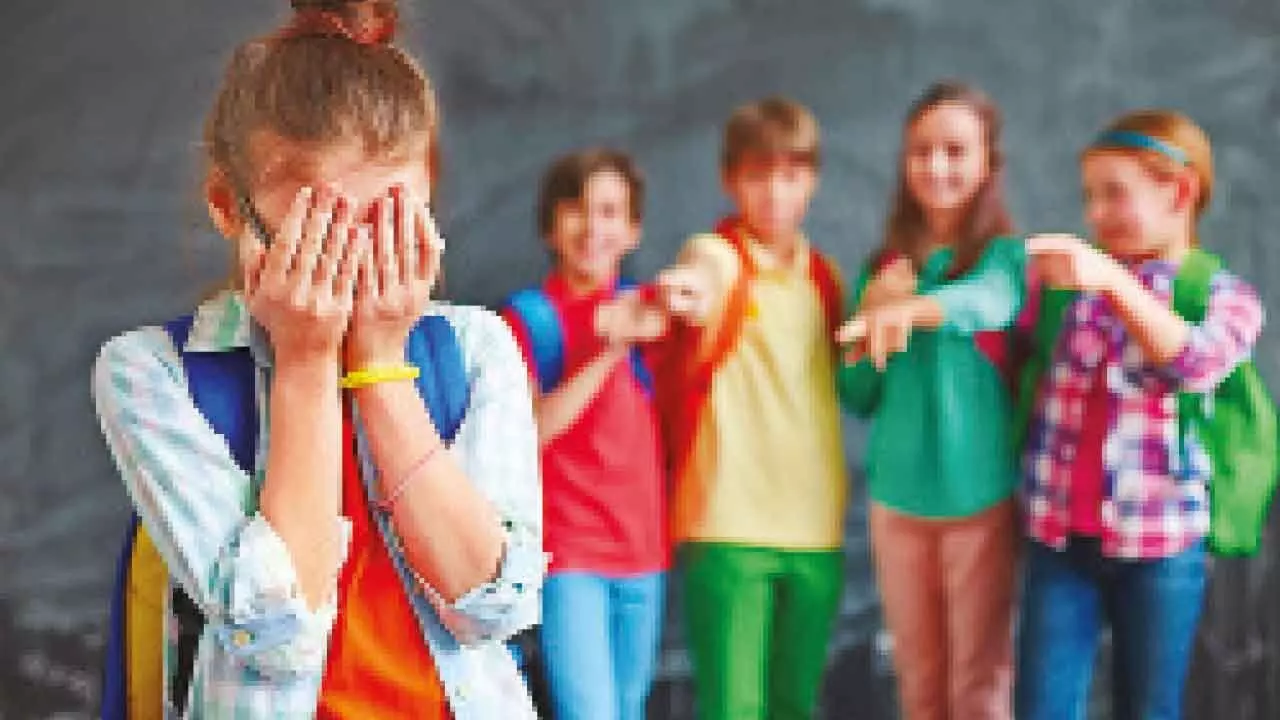
It is not enough to be kind; we must also be brave when others are being hurt
“Show respect to people who don’t even deserve it; not as a reflection of their character, but as a reflection of yours.” — Dave Willis
When a child suddenly avoids school, becomes withdrawn, hesitates to check their phone, or reacts anxiously to notifications, these are warning signs that should never be ignored. Many children slowly isolate themselves, retreating into silence. Often, these are early indicators of a painful reality faced by many students—bullying.
Bullying rarely announces itself openly. It hides behind forced smiles, excuses, and quiet tears. This makes it essential for parents and teachers to stay alert, notice behavioural changes, initiate gentle conversations, and seek timely support.
Consider a few everyday situations (names are fictional). A student threatens another by misusing parental authority. A child is physically hurt and mocked under peer pressure. Someone is socially excluded for appearing “different.” Another receives a fake message about an exam, causing distress and confusion. Each of these incidents reflects bullying—unwanted, repeated aggressive behaviour rooted in an imbalance of power.
Bullying takes many forms. Verbal bullying includes teasing, name-calling, or threats. Physical bullying involves hitting or damaging belongings. Social bullying appears as exclusion or spreading rumours. Cyberbullying, one of the most dangerous forms, includes hurtful messages or online harassment. Unlike traditional bullying, cyberbullying has no boundaries; it follows children beyond school and into their private spaces.
Bullying often occurs in places with less supervision—playgrounds, corridors, washrooms, canteens, or hidden corners. In digital spaces, even strangers can become bystanders. Silence from bystanders deepens a victim’s sense of isolation. Speaking up, however, turns a bystander into an upstander—someone who questions or challenges the bully. Often, bullying loses its power when it is confronted.
Parents play a crucial role. Casual, open conversations about school, attentive listening, and timely communication with teachers or counsellors can prevent long-term emotional harm. A simple conversation can make a profound difference.
Preventing bullying is a shared responsibility. Schools, parents, and teachers must work together to create safe, supportive environments. Students should feel confident reporting incidents, and schools should promote awareness, peer support, and clear anti-bullying messages.
For children, the message is clear: bullying is wrong, silence enables harm, and speaking up is right. It is okay to dislike someone, but it is never acceptable to disrespect or harm them. True strength lies in empathy, courage, and compassion.
“Never be bullied into silence. Never allow yourself to be made a victim.” — Harvey Fierstein
(The writer is a Resource Person to empower educators and author of Seven Mathematical Stories)