Rest, resilience and rethinking recovery: Gopichand’s vision for athletes

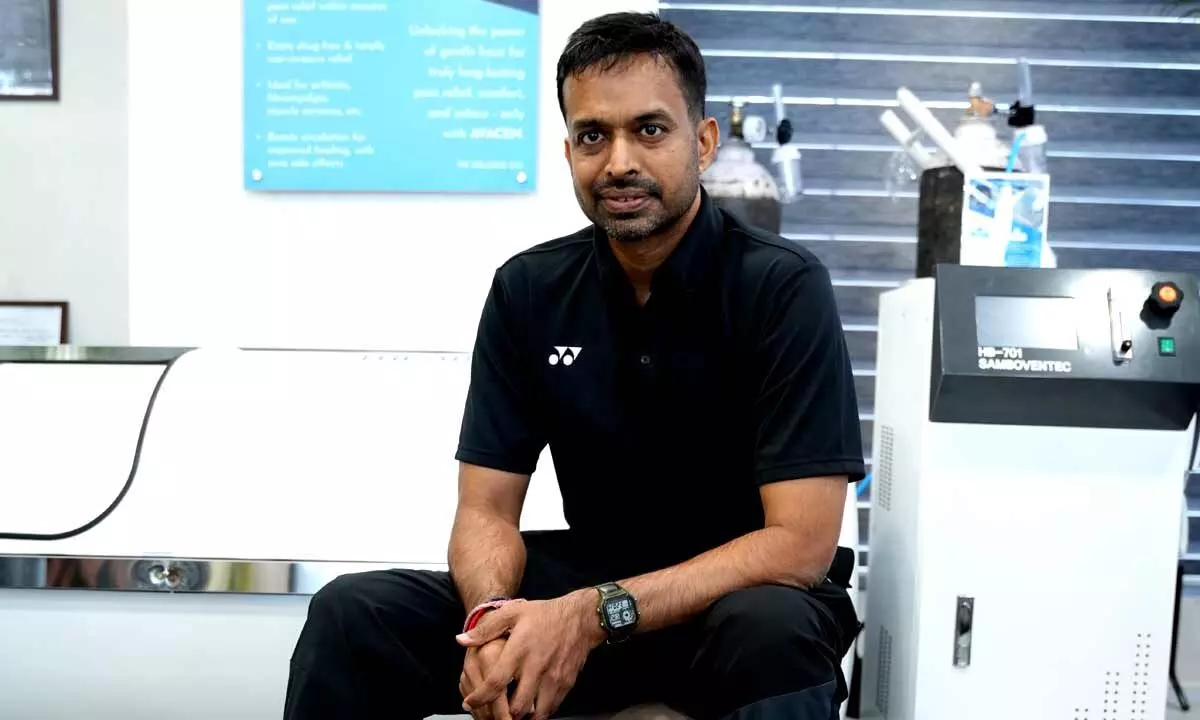
Pullela Gopichand, Chief National Coach for the Indian Badminton Team
In a conversation with Pullela Gopichand—Chief National Coach for the Indian Badminton Team and Founder of the Pullela Gopichand Academy—opens up about the evolving importance of recovery and wellness in modern sports. From managing training intensity in young athletes to integrating cutting-edge recovery tools, he outlines why rest, nutrition, and mental fitness are no longer luxuries, but necessities. As competitive demands soar, Gopichand believes the mindset around wellness must shift—starting as early as the junior level. His vision? A generation of athletes who train smarter, recover better, and stay in the game longer—with balance, resilience, and joy.
In this exclusive interview with Young Hans, he shares how his approach to athlete wellness has evolved—and why it needs to begin earlier than we think.
Q1. Over the years, how has your thinking changed when it comes to recovery and overall well-being for athletes?
Earlier, recovery was just about taking rest days. Now, recovery is part of training itself. Without it, you break down. Today, recovery is scientific—it’s about monitoring sleep, using physical therapy, managing workload, and protecting mental health. I’ve come to see it not as an afterthought, but a foundation for long-term performance and injury prevention.
Q2. What challenges do young athletes face today when it comes to staying fit and injury-free?
Kids today train harder and earlier than ever before. But they also live in a world full of digital distractions, pressure to perform, and often limited guidance on wellness. This combination increases risk. Without education around recovery, injuries happen. The goal must be to help them train hard and recover smart.
Q3. Why do you think new recovery methods are becoming more important in sports training now?
Because the game has changed. Competitions are more frequent. Opponents are tougher. We need every edge we can get. New recovery tools—like cryotherapy, compression boots, hyperbaric chambers—help reduce inflammation, improve oxygenation, and speed up repair. They’re not gimmicks. They’re science-backed tools that prolong careers and sharpen performance.
Q4. What kind of changes do you hope to see in your players’ health and performance with better wellness support?
I want to see consistency—not just peaks of excellence followed by long injuries. With better wellness support, players will have fewer injuries, more energy, and better mental focus. We’ll see athletes who thrive, not just survive, in high-pressure environments. The idea is to create a system where well-being supports peak performance.
Q5. Do you think these kinds of wellness practices should also be introduced at the junior or school level? Why or why not?
Absolutely. Habits form young. If children learn about warm-ups, cool-downs, hydration, sleep, and nutrition early, it becomes second nature. Starting early helps prevent long-term damage. We should not wait until they’re elite players and already facing physical issues. Early education reduces injury risk and keeps them motivated and balanced.
Q6. As a coach, how do you talk to your players about the importance of rest, recovery, and mental well-being—not just training?
I always tell my players: Recovery is what allows you to train again tomorrow. We openly talk about sleep routines, off-court hobbies, handling pressure, and even when to take a break. Mental well-being is as important as physical stamina. I encourage players to check in with themselves, and not ignore what their bodies or minds are telling them.
Today’s athletes are under more pressure than ever—physically, mentally, and emotionally this is exactly why recovery needs to be taken seriously. As training gets smarter and more intense, so too must the systems that protect an athlete’s well-being. “We’ve spent years perfecting how we train. Now, we must perfect how we rest.”
That, according to Gopichand, is the next frontier in elite sports performance—and it begins with a simple but powerful shift in mindset.