IT careers: Key roles and skills for the future

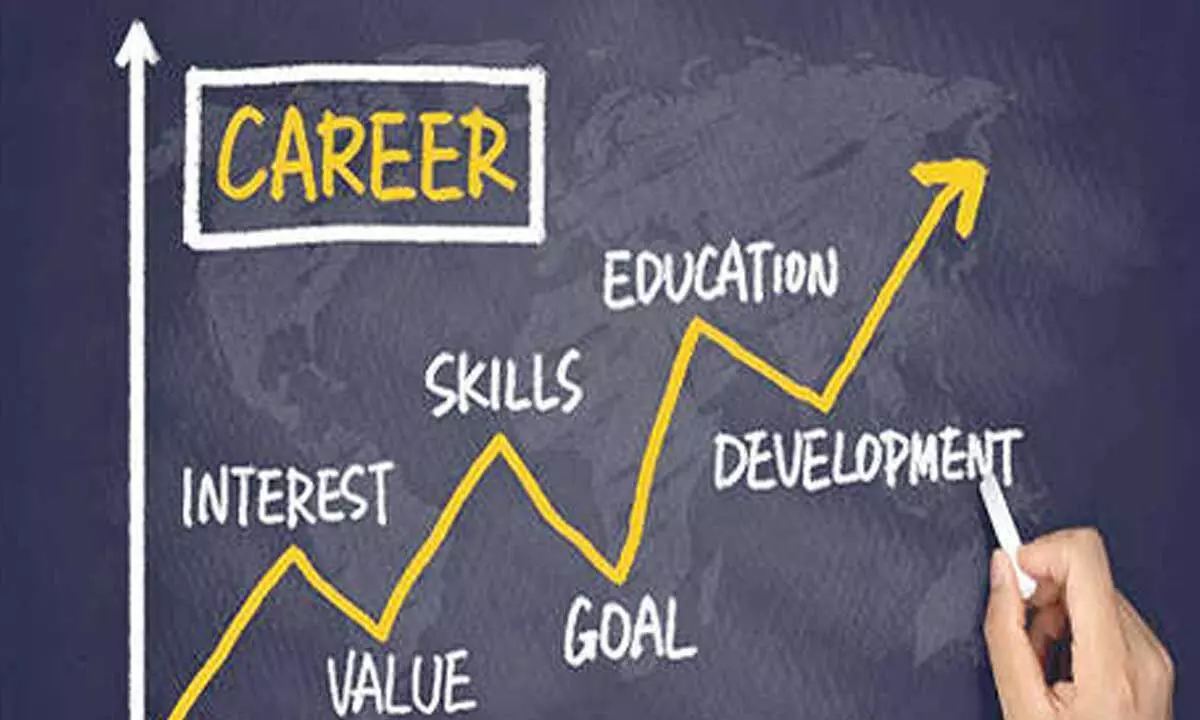
The world of Information Technology (IT) is constantly changing, and professionals in this field need to adapt by developing new skills, embracing emerging roles, and aligning their careers with industry demands. As businesses increasingly rely on technology for operations, communication, and innovation, IT professionals play a critical role in shaping the future of work.
Key roles in IT
IT offers a wide range of roles suited to different interests, expertise levels, and career goals. Some of the most sought-after roles include:
1. Software Developer – They design, develop, and maintain applications and software solutions for businesses and consumers. Programming languages such as Python, Java, and C++ are essential in this role.
2. Data Analyst/Data Scientist – These professionals analyze large datasets to extract actionable insights. Skills like statistical analysis, machine learning, and data visualization tools are key.
3. Cybersecurity Specialist – Protecting sensitive information and infrastructure from cyber threats, these experts need knowledge of encryption, threat modeling, and ethical hacking.
4. Cloud Engineer – As organizations move to cloud platforms like AWS, Azure, and Google Cloud, cloud engineers deploy and manage cloud services and infrastructure.
5. DevOps Engineer – They streamline software development and deployment processes, ensuring continuous integration and delivery, using tools like Docker, Kubernetes, and Jenkins.
6. Network Administrator – They maintain hardware and software networks, ensuring optimal performance and resolving technical issues.
Skills every IT professional needs
The rapid pace of change in technology means that IT professionals must constantly update their knowledge and skills. Some essential skills include:
• Technical proficiency – Understanding programming languages, operating systems, and tools specific to the role.
• Problem-solving ability – Diagnosing issues, troubleshooting errors, and implementing solutions under time constraints.
• Adaptability – Staying updated with the latest technologies, frameworks, and industry trends.
• Communication skills – Collaborating with cross-functional teams, explaining technical concepts clearly to non-technical stakeholders.
• Cyber awareness – Recognizing and preventing security threats and breaches.
• Project management – Organizing tasks, managing timelines, and coordinating teams effectively.
Building a successful IT career
For those starting or advancing in IT, building a career requires intentional learning and strategic planning:
• Certifications – Earning certifications like AWS Certified Solutions Architect, Certified Ethical Hacker (CEH), or Microsoft Certified can open doors to higher-paying and specialized roles.
• Networking – Joining professional groups, attending conferences, and contributing to open-source projects helps build relationships and credibility.
• Continuous learning – Online courses, webinars, and workshops are essential for keeping pace with industry developments.
• Real-world experience – Internships, freelance projects, and part-time roles allow hands-on learning and practical exposure.
Future outlook
With automation, artificial intelligence (AI), and machine learning transforming workplaces, the demand for IT professionals is expected to grow. Roles that require human creativity, ethical judgment, and advanced technical expertise will be highly valued. As technology becomes more integrated into everyday life, professionals who embrace lifelong learning and versatility will thrive.
In conclusion, an IT career offers diverse opportunities, requires a dynamic skill set, and demands a commitment to ongoing learning. With the right approach, professionals can build fulfilling careers while driving innovation and solving some of the world’s most complex problems.