Creating a supportive and inclusive learning environment

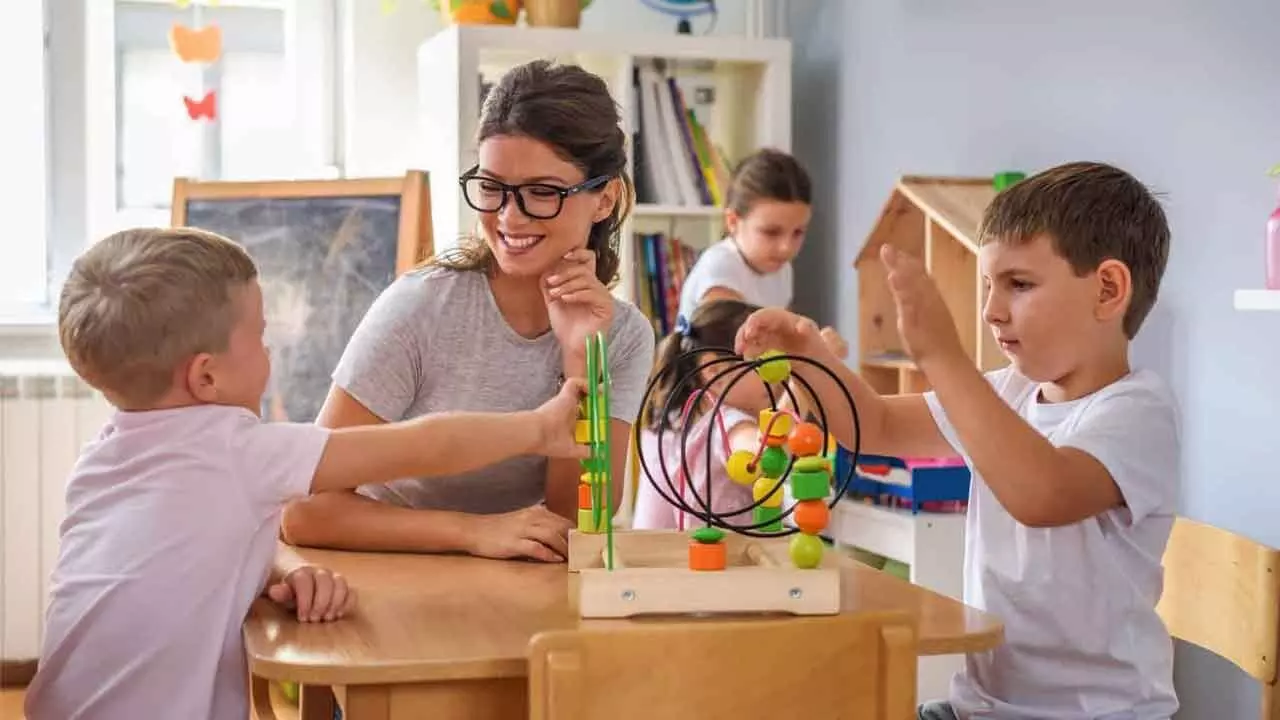
A welcoming classroom climate fosters belonging, engagement, and meaningful learning. This article explores strategies for creating a positive learning environment, from modelling respectful behaviour to co-constructing Essential Learning Agreements. By understanding student behaviour through an ecological lens and prioritizing empathy over discipline, educators can build classrooms that empower students to take ownership of their learning while feeling safe, valued, and supported
Good teachers understand that fostering appropriate student behaviour begins with modelling long before it is reinforced through rules and expectations. At the heart of effective teaching lies the creation of a positive classroom climate – an invaluable, preventative strategy that sets the stage for meaningful learning. When students feel safe, respected, and valued, they are more likely to engage, collaborate, and take ownership of their learning.
Classroom climate can be described through the dimensions offered by Trickett and Moos (1973): building interpersonal relationships, establishing order through rules and processes, and maintaining academic rigour. These dimensions ensure a balance of teacher and peer support, mutual respect, academic orientation, classroom culture, and a conducive physical environment. When these elements align, they foster a sense of belonging, encouraging students to grow socially, emotionally, and academically.
Essential learning agreements: A collective commitment
Students thrive in environments where they feel heard and empowered. Co-constructing classroom rules and expectations, known as Essential Learning Agreements, gives students a voice in shaping the norms that govern their learning space. These agreements emphasise motivation, achievement, and respect while reinforcing responsibility and accountability.
Establishing these agreements at the beginning of the academic year helps set a positive tone, but they can be introduced or revisited whenever needed to enhance the classroom climate. Crucially, the language used should be positive; for instance, instead of “We will not yell out in class,” frame it as “We will listen carefully when someone is speaking.” This approach fosters ownership and encourages students to uphold shared values.
Understanding student behaviour: An ecological approach
Student behaviour does not occur in a vacuum – it is shaped by relationships, home environments, and personal experiences. Effective teachers act as ecologists, considering these influences and adapting their approach accordingly.
For example, a student who frequently disrupts the class may not be “difficult” but instead expressing an unmet emotional need. Rather than resorting to punitive measures, a more effective approach is to engage in a conversation, identify the root cause, and provide appropriate support. When teachers lead with empathy, they guide students toward meaningful behavioural change.
Strategies for maintaining a positive learning atmosphere
A structured and respectful learning environment requires deliberate strategies to foster consistency, engagement, and predictability. Clearly defined expectations, expressed in positive language, help students understand their role in maintaining a stable and supportive atmosphere.
Sometimes, a meaningful pause or a simple look can de-escalate potential disruptions before they escalate. Additionally, nurturing a strong classroom community fosters mutual accountability, respect, and collaboration. Effective classroom management is not about control but empowerment – ensuring students feel heard, valued, and invested in their education.
The evolving nature of classroom management
Achieving a positive classroom environment is an ongoing process, requiring continuous reflection and adaptation. A teacher’s well-being directly impacts the classroom atmosphere; an educator experiencing stress may unknowingly project tension, whereas a mindful, self-regulated teacher brings patience and balance to the learning space. Prioritising self-care allows educators to be their best selves, ultimately benefiting their students.
When teachers thrive, classrooms become vibrant spaces for learning, growth, and respect. By fostering a climate of empathy, collaboration, and clear expectations, educators set the foundation for student success – both academically and personally.
(The author is Learning Support Teacher, Stonehill International School, Bangalore)