Celebrating nutritional power and sustainability

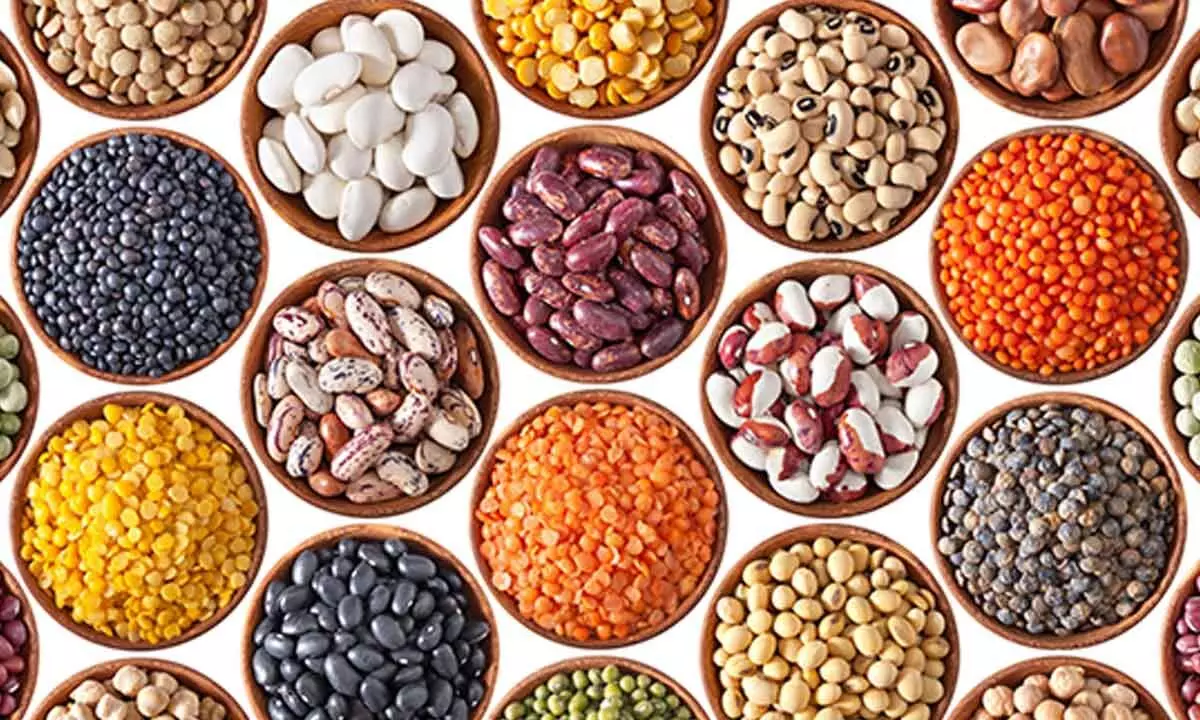
World Pulses Day, observed annually on February 10, highlights the importance of pulses—such as lentils, beans, peas, and chickpeas—in global food security, nutrition, and sustainable agriculture.
World Pulses Day, observed annually on February 10, highlights the importance of pulses—such as lentils, beans, peas, and chickpeas—in global food security, nutrition, and sustainable agriculture. As the world grapples with climate change, food insecurity, and malnutrition, pulses offer a viable solution, providing high-quality nutrition while promoting environmentally friendly farming practices.
Nutritional benefits of pulses
Pulses are a powerhouse of nutrition, offering high protein, fiber, vitamins, and essential minerals like iron, potassium, and folate. Unlike animal-based protein sources, pulses are low in fat and free of cholesterol, making them a heart-healthy and affordable dietary option. They play a crucial role in preventing lifestyle diseases such as obesity, diabetes, and heart ailments. Additionally, pulses are a key component of plant-based diets, catering to growing vegetarian and vegan populations worldwide.
Environmental benefits: A step towards sustainability
Beyond their nutritional advantages, pulses contribute significantly to sustainable agriculture. As nitrogen-fixing crops, they enhance soil fertility, reducing the need for synthetic fertilizers that contribute to greenhouse gas emissions.
Pulses also require less water compared to other protein sources, making them an ideal crop for regions facing water scarcity.
By promoting biodiversity and reducing carbon footprints, pulses support global efforts to combat climate change and promote regenerative agriculture.