The Impact of US Aid to India: A Comprehensive Analysis

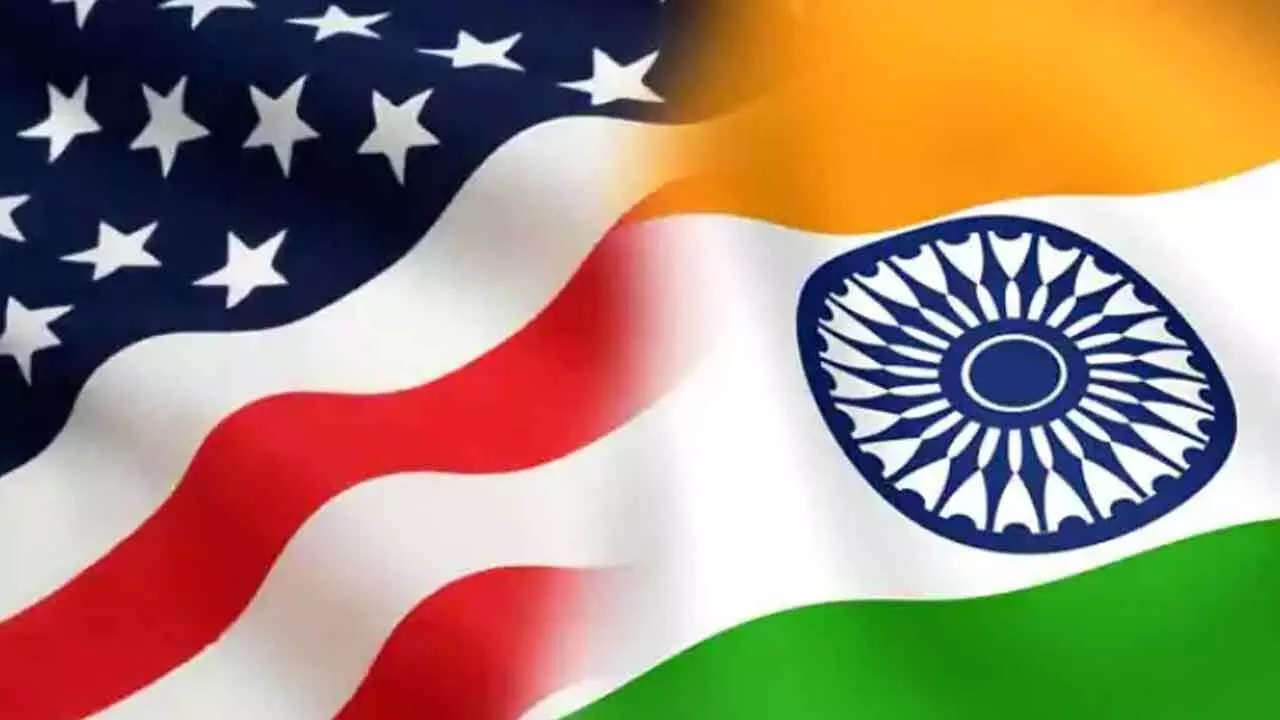
Hyderabad: The United States has been a significant contributor to India’s economic and developmental progress through financial aid, technical assistance, and diplomatic collaboration. Over the decades, US aid to India has evolved from food assistance to strategic partnerships in technology, healthcare, and defense.
Historical Perspective
US aid to India began in the 1950s with programs like the PL-480 Food Assistance Program, which helped address food shortages. During the Cold War era, relations fluctuated due to India's non-aligned stance, but aid continued, primarily focused on economic development and healthcare.
In 1965, during India’s war with Pakistan, Prime Minister Lal Bahadur Shastri urged people to sacrifice one meal a week to cope with food scarcity. At the time, India was heavily reliant on US food aid. A BBC correspondent once questioned Shastri about India’s famine, to which he responded saying that there was no famine but there was a food shortage, the government was taking necessary measures to manage the situation. Today, India has achieved self-sufficiency in food production, a significant transformation aided in part by US support.
Following India’s economic liberalisation in the 1990s, US assistance shifted towards trade partnerships, scientific collaboration, and infrastructure development. More recently, aid has been directed toward climate change, energy security, and counter-terrorism efforts.
Positive Impact of US Aid
US aid has significantly contributed to India’s growth in several sectors:
• Agriculture and Food Security: The Green Revolution, which helped India overcome food shortages and improve agricultural productivity, was supported by US assistance.
• Technology and Innovation: Collaboration with the US has fostered growth in India’s IT and space sectors, while US investments in India’s startup ecosystem have driven technological advancements.
• Infrastructure Development: Loans and grants from the US have funded roads, bridges, and power plants, strengthening India’s economic framework.
• Healthcare Initiatives: US-funded programs have helped combat diseases like tuberculosis, polio, and HIV/AIDS. Organizations such as USAID have contributed to maternal and child health programs.
• Education and Skill Development: Scholarships and institutional collaborations have enabled Indian students and researchers to access quality education in the US, fostering knowledge exchange.
• Disaster Relief and Emergency Aid: In times of crisis, such as the 2004 tsunami and the COVID-19 pandemic, the US supplied medical equipment and emergency relief.
• Defense and Strategic Partnerships: The US has aided India’s defense modernization through grants and technology transfers, strengthening bilateral security ties.
Challenges and Criticism
Despite its benefits, US aid to India has faced criticism:
• Dependency Concerns: Some argue that aid fosters reliance rather than self-sufficiency.
• Strategic Interests: Critics claim that US aid is often driven by geopolitical objectives rather than pure developmental assistance.
• Economic Conditions Imposed: Under the PL-480 agreement, India was required to devalue its currency in 1966, raising concerns about external influence on India’s economic policies.
• According a post on ‘X’, The Story Teller, “In 1954 Nehru Government signed India US PL 480 agreement. This was done to solve the food shortage crisis in India. The architect of the PL 480 was US Senator Hubert Humphrey who was also heading Senate committee for foreign assistance. Humphrey would coordinate with C.I.A. directly for deciding about targets and goals of foreign assistance.”
• The Story Teller further said that under PL 480 agreement, India was forced to devaluate rupee in 1966 when Indira Gandhi was the Prime Minister by 57%.
Conclusion
However, US aid has played a crucial role in shaping India’s economic, social, and strategic landscape. While challenges exist, the evolving nature of US-India relations suggests a shift from direct financial assistance to collaborative efforts in trade, technology, and global governance. This transition paves the way for a stronger, mutually beneficial partnership in the future.