
Polavaram and the angst of Adivasis

Most of the villages facing submergence under the reservoir are Adivasi habitations. Their way of life, cultural heritage, spiritual connection to the forest, and ancient deities—everything—is being submerged. While economically better-off regions stand to gain, the impoverished Adivasis are losing their roots and being forced into miserable conditions in substandard rehabilitation and resettlement (R&R) centres. Delays and quality flaws in the legally mandated compensation and rehabilitation packages have made their lives precarious
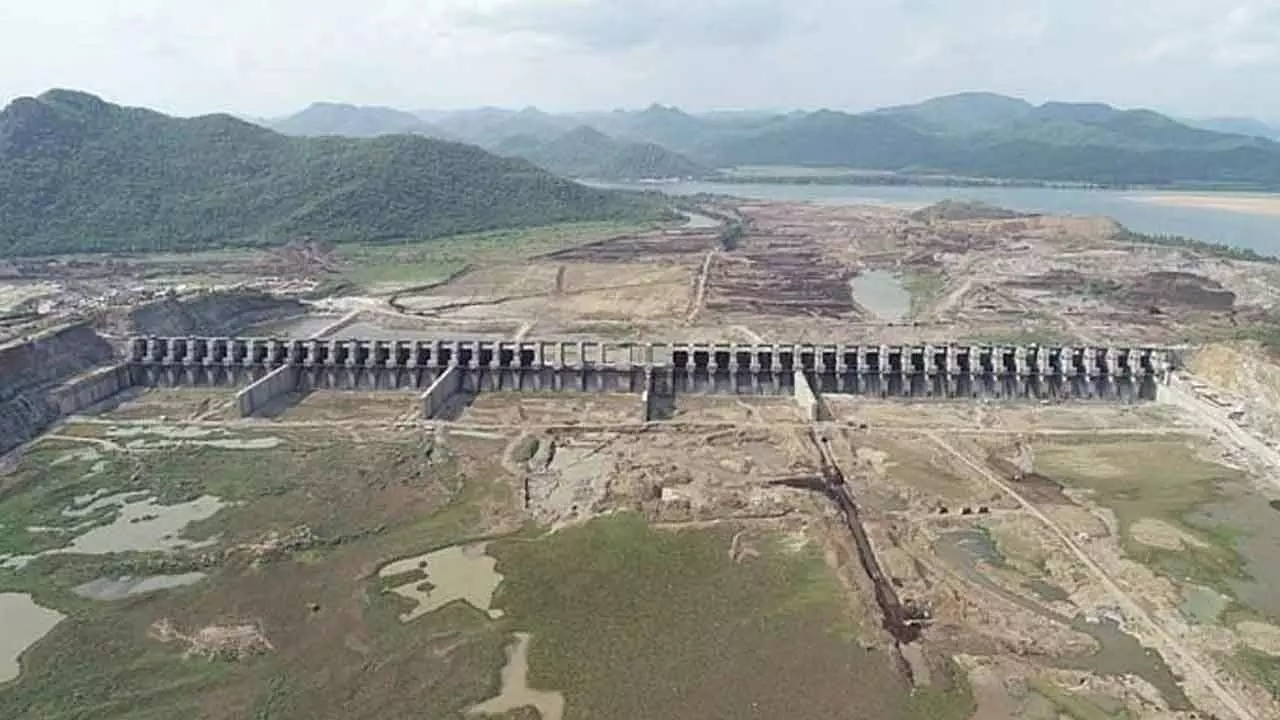
The Polavaram multipurpose project, widely hailed as the ‘lifeline’ of Andhra Pradesh, has become more than just a construction site. Decades after its inception, the incomplete project is now a crucible of political, technical, and, above all, severe humanitarian crises. Behind this colossal structure, meant to symbolise hope for East and West Godavari and Krishna, lies the anguish of thousands of Adivasi communities losing their centuries-old roots and identity. The anguished question emerging from their hearts is: “Did we ask for Polavaram?” This challenge strikes at the very model of development that has been adopted by the state.
For whom is this great sacrifice?
The stated objectives of the Polavaram project are clear-to provide drinking and irrigation water to the coastal and drought-prone Rayalaseema regions. The anticipated benefits—stabilising millions of acres of existing command area, river interlinking, and generating 960 MW of power—are immense. These outcomes are undeniably crucial for the state’s future. However, we cannot ignore the vast disparity between the generations that will enjoy the fruits of this development and the estimated one lakh-plus displaced people who have lost their all. There is a strong suspicion that this model of development is designed to ‘sacrifice the poor for the benefit of the affluent.’
The Adivasi sacrifice and the value of identity:
Most of the villages facing submergence under the reservoir are Adivasi habitations. These communities are not merely losing physical assets like houses and farms. Their way of life, cultural heritage, spiritual connection to the forest, and ancient deities—everything—is being submerged. Is it just that the population of one region must sacrifice their very existence for the development of another?
While economically better-off regions stand to gain, the impoverished Adivasis are losing their roots and being forced into miserable conditions in substandard rehabilitation and resettlement (R&R) centres. Delays and quality flaws in the legally mandated compensation and rehabilitation packages have made their lives precarious.
Uprooting-An irreversible loss:
The life and culture of Adivasis are inextricably linked to the forest, hills, streams, and valleys. When they are separated from the land of their ancestors, the sacred soil, the forest they regard as their mother, and their hills and groves, no amount of monetary compensation or concrete housing can ever mend that loss. For them, money and houses are temporary comforts; they do not fill the resulting cultural vacuum. Those who benefit from this development must acknowledge this profound, permanent loss.
The curse of floods-A man-made disaster:
Even before Polavaram’s completion, the heavy Godavari floods in recent years have caused severe alarm, particularly in upstream areas like Bhadrachalam. Experts and neighbouring states allege that the cofferdams and the height of the reservoir are increasing the ‘backwater effect,’ which pushes the river flow backward, intensifying the flood threat.
Stagnant water and the struggle for survival:
Due to this flood risk, water often remains stagnant around villages for days, completely devastating the people’s livelihood. Farms are submerged, making cultivation impossible. People are unable to travel to outside areas for labour work, and the lack of income is leading to severe financial distress and misery. It is highly tragic that a project built with the aim of development is instead robbing people of their livelihoods and becoming a constant source of suffering.
The way forward:
The question, “Did we ask for Polavaram?” is not a rejection of progress. It is a powerful voice of defiance that has emerged against injustice and negligence.
The Central and State governments must urgently focus on:
Prioritise R&R completion: Full statutory rehabilitation must be completed for all displaced persons before the project proceeds any further. This means more than just providing a house; it requires ensuring livelihood security tailored to their traditional life and maintaining cultural continuity.
Scientific solution: A permanent, scientific solution to the flood inundation problem, particularly the ‘backwater effect,’ must be formulated after taking into consideration concerns of the upstream states and strictly adhering to the Godavari River Tribunal guidelines.
Transparency: The rights of the Adivasis under the relevant laws and environmental regulations must be strictly implemented, and complete transparency must be maintained in every aspect of the project.
Development loses its meaning when the hopes of one region are built upon the tears and soul-less rehabilitation of another. While the speedy completion of Polavaram is necessary, wiping the tears of the Adivasis, who staked their lives for it, is far more critical.
It is only when appropriate justice is served that this ‘great sacrifice’ will become meaningful. Otherwise, every time we taste the fruits of such a development, history will continue to ask us what we lost.








