Kerala shows the way: How LDF govt eradicated poverty while double engine governments failed

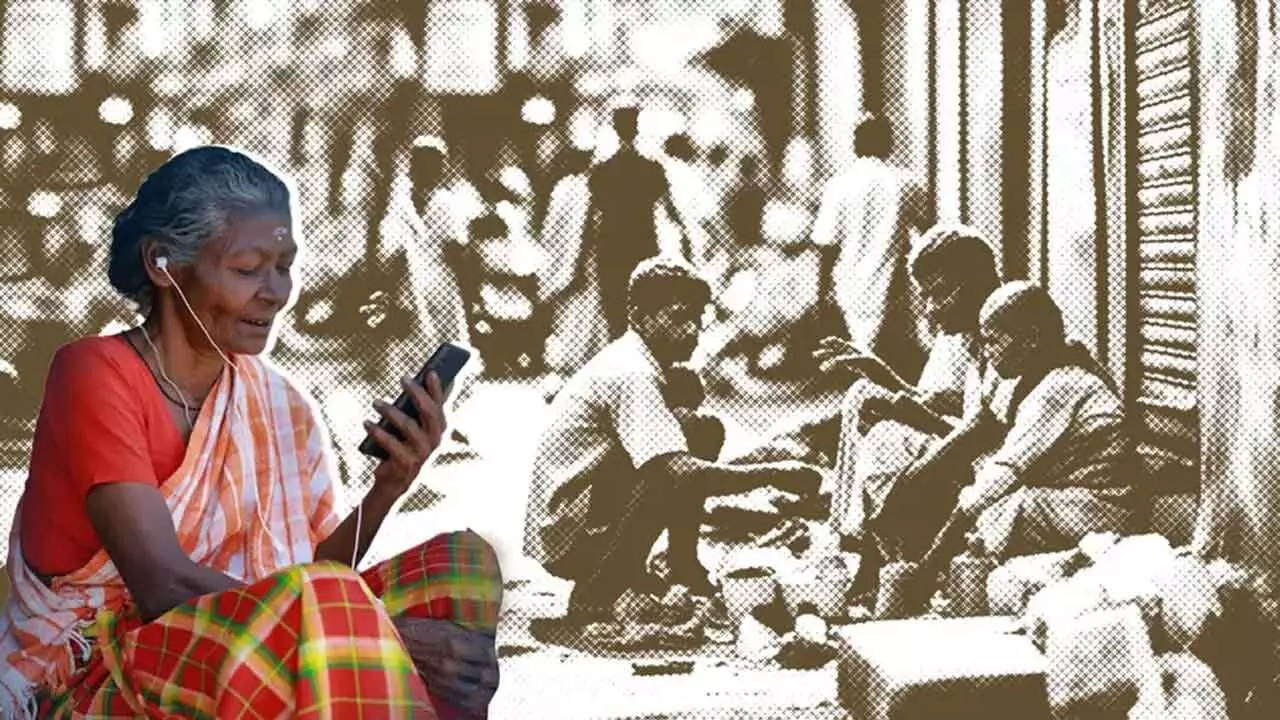
It is a matter of pride that the Kerala Legislative Assembly has made a historic declaration: the state has eradicated extreme poverty. This is a landmark achievement that deserves the attention of all democratic and progressive forces across India.
Kerala stands unique as the first state in India where the Communists came to power through democratic means without violence. At the time, political observers predicted that such a government would not last long or achieve tangible results. Yet, the Communist-led government defied all expectations.
From land reforms to total literacy
The first major step was land reform, ensuring land to the tillers, even if partially implemented. The next was universal literacy, achieved through a sustained and community-driven campaign that wiped out illiteracy across the state. Today, Kerala proudly adds a third milestone — the eradication of poverty under the Left Democratic Front (LDF) government, which has been in office for the past ten years.
Contrast with the double-engine model
In contrast, the BJP’s so-called “double engine government” has been in power in Gujarat for 25 years — a full quarter century. Mr. Narendra Modi, who became Chief Minister in 2001 and later Prime Minister, continues to project Gujarat as a model. Yet, despite this long tenure, the results tell another story.
While Kerala has focused on people’s welfare, Gujarat has focused on corporate welfare. The BJP government has consistently aided its corporate allies, the Adanis and Ambanis, while neglecting poverty reduction and social justice.
The attempt to privatize the Visakhapatnam Steel Plant — resisted successfully by workers and employees — and the handing over of ₹ 33,000 crore from LIC funds to a loss-making Adani company are glaring examples of misplaced priorities.
Kerala’s pro-people model: Extreme Poverty Eradication Project (EPEP)
How did Kerala succeed where others failed? The Extreme Poverty Eradication Project (EPEP), launched in 2021, lies at the heart of this success.
Its strategy:
• Ground-level enumeration of the poorest families through local self-governance bodies, women’s collectives, and panchayats.
• Preparation of micro-plans for every identified household covering food security, housing, health, and income generation.
• Provision of concrete support — new or renovated homes, land allotments, livelihood aid, health services, and documentation assistance.
The Kerala Health Minister’s leadership during the COVID-19 pandemic was even recognized by the World Health Organization, underscoring the state’s administrative strength and human-centered governance.
The result: First state free from extreme poverty
With a population projected at 3.6 crores (2.6 % of India’s total), Kerala has achieved what no other state has — the elimination of extreme poverty. Gujarat, with 7.2 crores (5.2 % of India’s population), despite a stronger economy, suffers slower poverty reduction and wider inequality.
The other side of Gujarat’s growth story
Behind Gujarat’s glittering economic claims lies deep inequality and rampant cronyism. Twenty-six prominent individuals have defaulted on massive bank loans and evaded taxes, turning public money into non-performing assets (NPAs).
Among them are: Mehul Choksi (₹ 8,500 crore, Gitanjali Gems), Rishi Agarwal (₹ 4,600 crore, ABG Shipyard), Lalit Modi, Nirav Modi, Ketan Parekh, and others — all allowed to flee the country under government protection. Can such “daylight dacoits” eradicate poverty in the land of Mahatma Gandhi?
Conclusion
Kerala’s success under the Left Democratic Front proves that poverty eradication is possible only through people-centric, decentralized governance — not corporate-driven politics.
The contrast between Kerala’s inclusive progress and Gujarat’s inequality exposes the emptiness of the BJP’s “double engine” claims.
(The writer is Member, Central Executive Committee, Communist Party of India )