Justice’s haven: Courtrooms of dignity and cooperative spirit

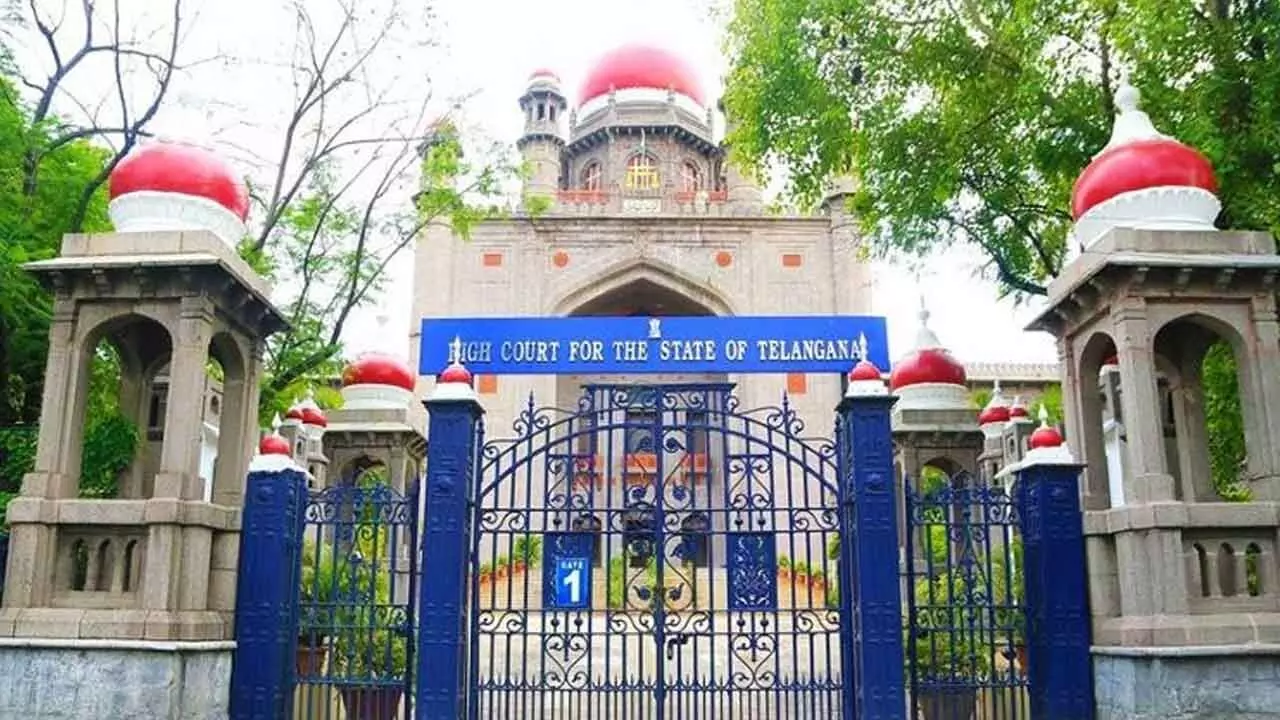
Bar’s call for general body meeting on conduct of bench
The decision of the Telangana High Court Bar Association (THCBA) to convene a general body meeting to address a judge’s alleged humiliation of advocates and imposition of heavy costs has sparked debate, highlighting the delicate balance between judicial authority and advocates’ dignity.
As a journalist-turned-advocate with over three decades of experience, I examine this issue with a commitment to uphold the integrity of both the Bar and the bench. This analysis explores the propriety of the Bar’s actions, conduct of the judge, and the broader implications for judicial independence, professional ethics, and justice administration, advocating dialogue and mutual respect to preserve the legal system’s sanctity.
Context and controversy:
The Bar Association’s call for a general body meeting stems from allegations that a Telangana High Court judge humiliated advocates with derogatory remarks or dismissive behaviour and imposed substantial costs perceived as punitive. Such actions, if true, undermine judicial decorum and advocates’ dignity, as they are officers of the court entitled to respect. Imposition of heavy costs, often seen as disproportionate, fuels perceptions of judicial overreach, prompting the Bar to respond collectively.
From the Bar’s perspective, convening a general body meeting is a legitimate step to protect advocates’ dignity and ensure a conducive working environment. However, the bench may view this as an attempt to pressure the judiciary, potentially threatening judicial independence enshrined in the Indian Constitution. This tension requires a balanced examination of the roles and responsibilities of both sides.
The Bar’s grievance:
Legitimacy and limits:
Advocates operate under pressure, balancing client interests, court expectations, and ethical duties. A judge’s humiliating conduct — sarcasm, personal remarks, or dismissive gestures — erodes morale and impairs effective representation. The Supreme Court has emphasized advocates’ right to dignity, supporting the Bar’s role in safeguarding these principles. If the judge’s actions have consistently crossed into personal affronts, the Bar’s decision to convene a meeting is a reasonable step to consolidate grievances and seek redress.
However, the Bar must ensure its response is proportionate and respectful. Sensationalized discussions or confrontational rhetoric risk undermining judicial authority.
The Supreme Court, in C. Ravichandran Iyer v. Justice A.M. Bhattacharjee (1995), cautioned against actions that erode judicial independence and deprecate coercive resolutions or protests, which disrupt justice delivery and harm litigants. Instead, the Bar should channel grievances through institutional mechanisms, such as representations to the Chief Justice or the Bar Council, maintaining professionalism and restraint.
Conduct of the bench: Decorum and accountability:
Allegations of humiliation and heavy costs warrant scrutiny of judicial conduct. The Bangalore Principles of Judicial Conduct (2002) mandate judges to treat advocates with courtesy and respect. Derogatory remarks, if substantiated, violate these standards and erode public confidence. Similarly, heavy costs must be justified by clear procedural lapses, as arbitrary orders deter access to justice, contravening Article 39A of the Constitution.
Judges, however, face immense pressure managing heavy caseloads. The power to impose costs, upheld by the Supreme Court, deters frivolous litigation or ensures compliance. If the judge’s costs were reasoned and addressed specific misconduct (e.g., deliberate delays), the Bar’s objections may lack merit. Conversely, capricious or targeted costs justify concerns, necessitating accountability.
Judicial accountability follows established protocols, such as the Judges (Inquiry) Act, 1968, or in-house procedures led by the Chief Justice. The Bar’s public meeting risks bypassing these channels, appearing confrontational. A balanced approach involves presenting specific instances of improper behaviour to the Chief Justice, supported by court records, to trigger internal review without public escalation.
Balancing Bar and bench: The way forward
Bar and bench are interdependent pillars of justice, requiring mutual respect to function effectively. The former must protect advocates’ dignity but exercise restraint to preserve judicial authority. The bench must uphold decorum while remaining open to constructive criticism.
The Supreme Court in C. Ravichandran Iyer v. Justice A.M. Bhattacharjee (1995) emphasized that Bar Associations should raise concerns confidentially with the Chief Justice, avoiding public pressure that could amount to contempt.
The Telangana High Court Bar Association’s decision to convene a general body meeting to address the alleged humiliation of advocates and imposition of excessive costs by a judge is justified, provided it has first exhausted institutional remedies by making representations to the Chief Justice with specific evidence of such conduct, thereby demonstrating a responsible and measured approach to seeking redress while upholding advocates’ dignity.
To resolve this impasse, both the Bar and bench may consider the following steps:
Dialogue over confrontation: The Bar should request a private meeting with the Chief Justice to present evidence of the judge’s conduct professionally, deferring public meetings until institutional channels are exhausted.
Judicial introspection: The Chief Justice should review allegations, examining court records to assess the judge’s conduct. If warranted, counseling the judge can address concerns while preserving authority.
Training and sensitisation: Workshops on courtroom etiquette and conflict resolution, facilitated by the National Judicial Academy or Bar Councils, can foster mutual understanding.
Transparent costs framework: The High Court could adopt guidelines for cost imposition, ensuring proportionality and reasoned orders, as suggested in Sanjeev Kumar Jain v. Raghubir Saran Charitable Trust (2012).
Strengthening trust: Regular Bar-Bench forums can preempt conflicts, reaffirming a shared commitment to justice.
Conclusion:
The Telangana High Court Bar Association’s call for a general body meeting reflects the legitimate concerns about a judge’s alleged humiliation of advocates and heavy costs but risks escalating into confrontation. The Bar should pursue institutional mechanisms, such as representations to the Chief Justice, while the bench must uphold decorum and justify costs transparently. The Telangana High Court’s collegium, led by the Chief Justice, should seize this opportunity to evolve institutional mechanisms for monitoring judicial decorum periodically. By prioritising dialogue and mutual respect, the Bar and bench can ensure the courtroom remains a sanctuary of fairness and dignity, strengthening the legal system’s integrity for all.
(The author is former Senior Editor, The Economic Times, and currently practicing as an Advocate at Telangana High Court)