Global Mediation & Power Moves: PM Modi’s Diplomatic Successes

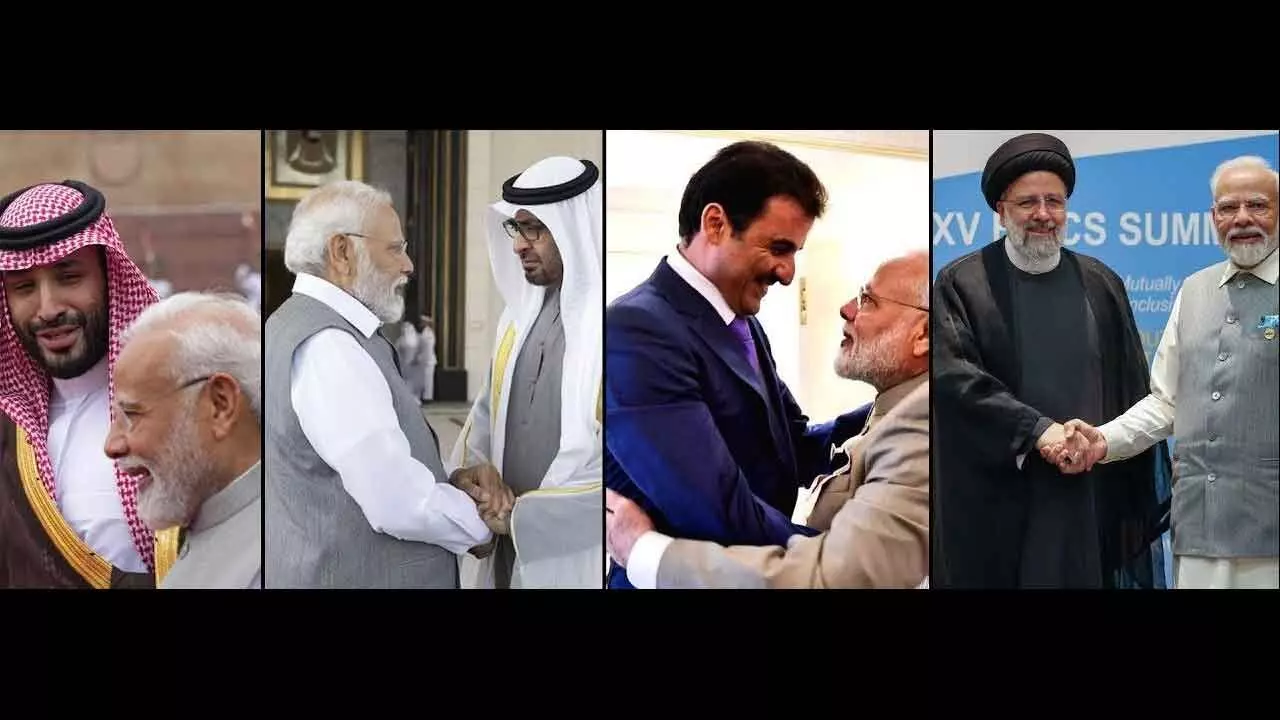
Prime Minister Narendra Modi’s astute diplomatic prowess led to many a key development in both India’s and world’s interests. He did persuade Russian President Putin not to use tactical nuclear weapons in Ukraine, which was acknowledged by Polish Deputy Foreign Minister Władysław Teofil Bartoszewski. He prevailed upon US President Donald Trump and succeeded in efforts to secure extradition of 26/11 Terror Accused Tahawwur Rana. He briefed world powers on India’s surgical strikes in Pakistan and received widespread international backing. The Indian government foiled Pakistan’s efforts to garner international support against India’s revocation of Article 370. Saudi Arabia backed India’s move, reflecting growth in strategic ties. PM Modi made strenuous efforts to secure G20 consensus on the need for peace in wake of Russia-Ukraine war. He also won friends for India through active support to global humanitarian aid and medical diplomacy
Poland’s Deputy Foreign Minister and Secretary of State, Władysław Teofil Bartoszewski, acknowledged Prime Minister Narendra Modi’s diplomatic intervention in persuading Russian President Vladimir Putin not to use tactical nuclear weapons in the ongoing Russia-Ukraine conflict. This highlights India’s role as a key mediator in global peace efforts. “We had a great visit from PM Modi to Warsaw. PM Modi did persuade Putin not to use tactical nuclear weapons. We want permanent peace. We want stable and sustainable peace in Ukraine,” he said.
President Putin himself recognized India’s diplomatic efforts, stating that global leaders, including PM Modi, were investing time and effort in ending hostilities, emphasizing India’s influence in international conflict resolution. “We all have enough of our own domestic affairs to attend to. But many leaders of states, among them the Prime Minister of India, were addressing this issue and giving it a lot of their time. We are grateful to all of them,” he said.
Strengthening India-Russia Ties amid Global Tensions: India’s relationship with Russia continues to thrive, with President Putin describing it as “specially privileged.” PM Modi’s visit to Ukraine during the ongoing war further established India’s neutral stance and commitment to peace. Ukrainian President Volodymyr Zelenskyy even suggested India host a summit to discuss pathways for resolving the conflict, showcasing India’s growing global diplomatic stature.
Extradition of 26/11 Terror Accused Tahawwur Rana: Following bilateral talks with PM Modi, US President Donald Trump announced that the United States would extradite 2008 Mumbai terror attack accused Tahawwur Rana to India. “We are handing over a very dangerous man to India, one who is accused of the 26/11 Mumbai terror attack,” President Trump said.4
Article 370: Global Support for India’s Decision: Despite Pakistan’s efforts to garner international support against India’s revocation of Article 370, Saudi Arabia backed India’s move, demonstrating growing strategic ties. Shortly after the decision, India and Saudi Arabia signed a US$15 billion deal. The UAE also supported India, calling it an internal matter and expressing hope for regional stability. Russia, Israel, Bahrain, and Iran further endorsed India’s decision, reinforcing India’s diplomatic clout.
International Endorsement of India’s Counter-Terror Strikes: India’s surgical strikes received widespread international backing, including from:
Japan: Japan condemned terrorism in all forms and reaffirmed that no act of terrorism is justifiable. It expressed solidarity with India in its fight against terrorism.
Germany: Declared full support for India, urging decisive action against terrorism.
UAE: Expressed solidarity with India and backed all counter-terrorism efforts.
Russia: Reaffirmed its continued support for India’s counter-terrorism initiatives.
G20 New Delhi Declaration: During India’s G20 presidency, the Russia-Ukraine conflict threatened to derail consensus on the final communiqué. However, through strategic negotiations—comprising 300 bilateral meetings, 200 hours of discussions, and 15 drafts—India successfully led member nations to a consensus, cementing its diplomatic prowess on the global stage.
Release of Indian Navy Personnel from Qatar: Eight former Indian Navy personnel, who were facing death sentences in Qatar, were released following high-level diplomatic interventions by the Indian government. This incident underscored India’s growing influence in the Gulf region and its ability to secure its citizens’ safety abroad.
Humanitarian and Rescue Operations: India has conducted multiple successful evacuation and humanitarian aid missions, demonstrating its commitment to global stability:
Operation Ganga: Evacuated Indian nationals from Ukraine during the Russia-Ukraine war.
Operation Devi Shakti: Facilitated the evacuation of Indians from Afghanistan post-Taliban takeover.
Operation Kaveri: Rescued Indian nationals from war-torn Sudan.
Operation Samudra Setu: Brought stranded Indians home during the COVID-19 pandemic.
Operation Ajay: Launched to evacuate Indian nationals from Israel during the Israel-Hamas conflict.
Global Humanitarian Aid and Medical Diplomacy: Vaccine Maitri: India supplied COVID-19 vaccines to over 100 countries, reinforcing its leadership in global health diplomacy.
Operation Dost: Provided disaster relief to Turkey and Syria after devastating earthquakes.
Operation Sadbhav: Extended medical and humanitarian aid to neighboring countries in crises.
Under PM Modi’s leadership, India has emerged as a formidable global diplomatic force. Whether in conflict mediation, counter-terrorism efforts, or humanitarian missions, India’s proactive diplomacy continues to enhance its global standing and strengthen international alliances. (PMO)