From truth to tattle: How gossip overshadows political analysis

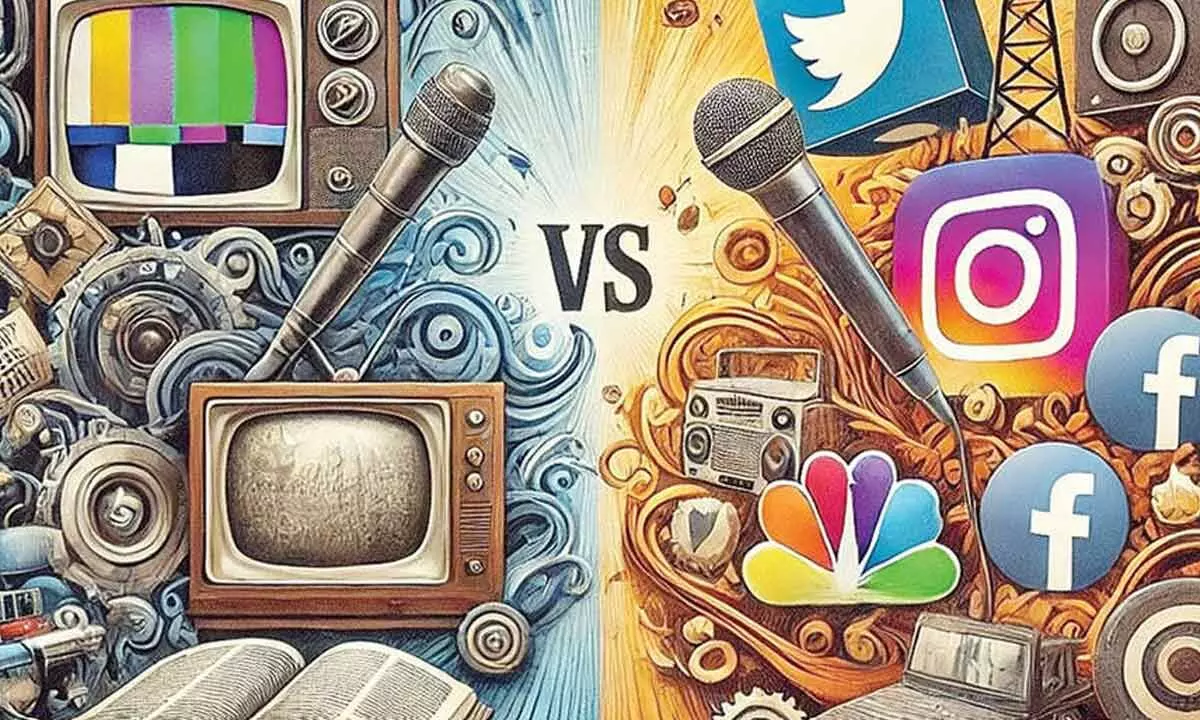
In an epoch where information cascades like a torrential river, political analysis, once a bastion of reasoned discourse, has been seduced by the tawdry allure of gossip. The noble pursuit of truth—grounded in meticulous investigation, balanced perspectives, and steadfast impartiality—has been eclipsed by a clamour of scandal, innuendo, and sensationalism. This lamentable shift not only erodes the bedrock of public trust but also distorts the very essence of democratic dialogue, elevating drama above substance.
As we traverse the turbulent landscape of the post-2024 election era in 2025, vivid examples illuminate how the media, ensnared by the pursuit of clicks and fleeting fame, has allowed whispered rumors to supplant sober analysis.
In bygone days, journalism aspired to a lofty ideal of objectivity, a shield against the excesses of sensationalism that once fanned the flames of public fervor, even igniting conflicts like the Spanish-American War. Pioneers of the craft, wielding pens as swords of truth, championed rigorous reporting and ethical clarity. Yet, that golden era has faded into shadow.
The late 20th century saw the dismantling of mandates for balanced coverage, ushering in an age of partisan punditry. Certain networks, forsaking the costly labor of fact-checking, embraced opinion as their currency, often cloaking inconvenient truths to curry favor with audiences. The fallout was stark: astronomical settlements for peddling falsehoods about elections, a testament to how sensationalism can triumph over veracity.
Even the venerated pillars of mainstream journalism have faltered, seduced by the siren call of activism. During recent political upheavals, prominent outlets positioned themselves as crusaders, their indignation drowning out neutrality. Ambitious endeavours, like reexamining historical narratives, stirred hearts but blurred the line between scholarship and advocacy.
Internal strife within newsrooms—such as ousting editors for daring to publish dissenting voices revealed a troubling intolerance for diversity of thought. Public faith, once robust, has withered, with vast swaths of society now viewing the press with skepticism, if not outright disdain.
The tumult of the 2024 U.S. election laid bare this malaise. Whispers of outlandish tales-pet-eating conspiracies, tampered voting machines-swirled through the public square, amplified not by evidence but by the media’s hunger for virality. A conservative policy blueprint, ripe for reasoned debate, was instead cast as a dystopian specter, its nuances lost in a maelstrom of fear mongering.
Even now, in 2025, headlines weave tales of personal peccadilloes, sidelining substantive discussions of fiscal policy or governance. The media, once a lighthouse guiding the polity, now often stokes division with selective tales and omitted truths.
Social media, the great amplifier of human impulse, has transformed political discourse into a carnival of gossip. Platforms reward fleeting rumours over measured scrutiny, with commentators lamenting how the chatter of elites overshadows policy’s weighty matters. The once-stalwart realm of television news now mirrors the frenetic energy of talk shows, peddling partisan quips rather than illuminating facts. Critics decry this addiction to drama, where hysteria is conjured from thin air, and substantive issues like the stewardship of national finances are reduced to mere spectacle.
The consequences of this descent are profound. Sensationalism warps the public’s lens, sowing discord and eroding the shared foundation of truth. It fuels polarization, as half-told stories and cherry-picked facts deepen societal rifts. Younger generations, wise to the media’s foibles, approach news with a wary eye, often disengaging entirely—a loss not just for journalism but for democracy itself.
To restore the soul of political analysis, the press must rediscover its reverence for truth. It must resist the glittering temptations of profit and popularity, creating anew the bulwarks of ethical rigour and embracing a chorus of diverse voices.
Without such a renaissance, political journalism risks becoming a mere shadow play, entertaining but hollow, leaving citizens adrift in a sea of misinformation.
In 2025, as the specter of disinformation looms ever larger, the media’s sacred duty to illuminate rather than obfuscate has never been more vital—nor more imperiled.