Andhra Pradesh sets national agenda with its pioneering ‘green’ shrine

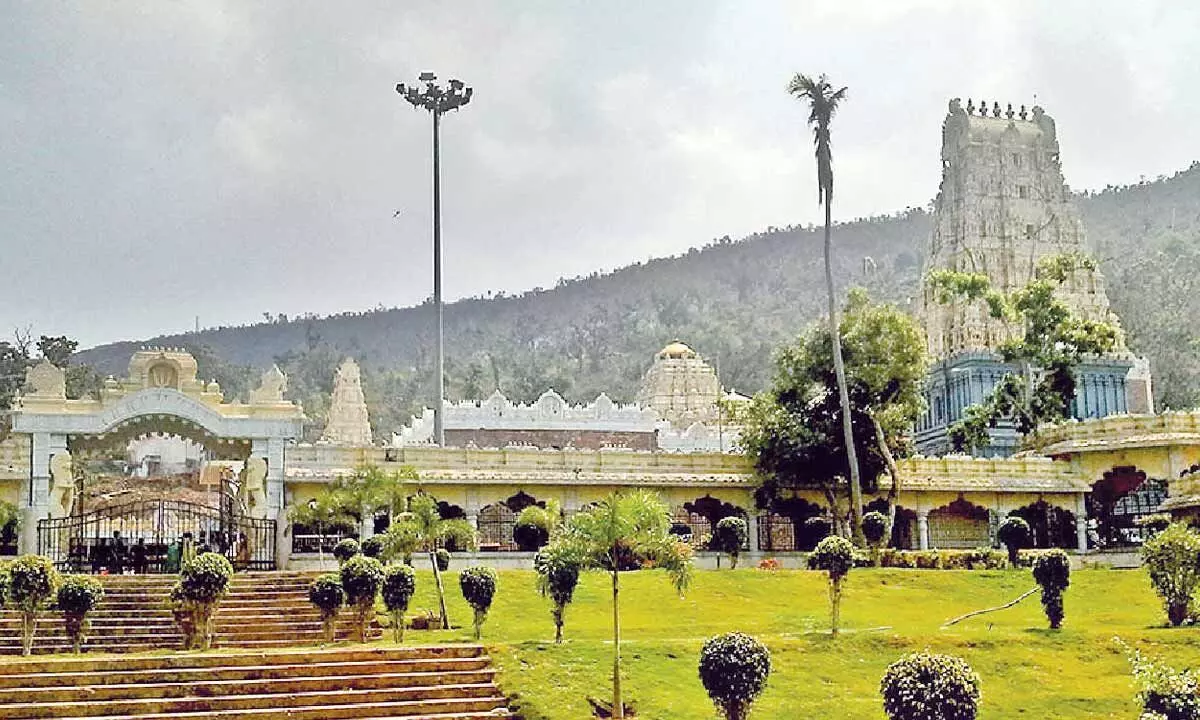
Perchedmajestically on the Simhachalam Hill Range, overlooking the Bay of Bengal, the Sri Varaha Lakshmi Narasimha Temple stands out not just as a beacon of devotion but as a trailblazer in environmental stewardship.
Recognized as the first “green temple” in Andhra Pradesh, this 11th-century shrine dedicated to Lord Varaha Narasimha – an incarnation of Lord Vishnu – has seamlessly woven eco-conscious practices into its sacred rituals, setting a precedent for religious institutions nationwide.
In an era where climate change demands urgent action, Simhachalam’s transformation exemplifies how spirituality and sustainability can harmonize and protect our planet.
A green temple where faith meets ecology:
At its core, a green temple is more than a place of worship; it is a living embodiment of sustainable living, where ancient traditions adapt to contemporary environmental challenges.
Key elements include renewable energy adoption, efficient waste management, water conservation, plastic reduction, and biodiversity enhancement.
A roadmap for sacred sustainability:
Under its green mandate, Simhachalam has pioneered several innovative practices that have slashed its environmental impact.
A landmark initiative, launched in 2015 as part of Andhra Pradesh’s push to green seven major temples, involved a comprehensive energy audit by the State Energy Conservation Mission (SECM).
The temple now explores consortium-based power plants with other shrines, aiming for energy self-sufficiency – a move projected to cut costs and emissions by up to 30 per cent during peak pilgrimage seasons.
In 2024, Simhachalam embraced electric mobility to ferry devotees up the 300-metre hill.
Partnering with Olectra Greentech, the temple has introduced battery-operated buses, replacing diesel vehicles and in the process preventing thousands of tons of carbon emissions annually.
Water conservation remains the cornerstone, with rainwater harvesting systems capturing monsoon runoff to irrigate temple gardens and recharge groundwater.
Waste management has been revolutionised through segregation units that compost organic offerings – like flower garlands – into nutrient-rich manure for on-site afforestation drives.
Single-use plastics are strictly banned, replaced by biodegradable alternatives such as banana leaves for prasad distribution.
A true testament to transformative leadership:
Simhachalam’s green journey has not gone unnoticed. The 2024 electric bus rollout garnered praise from environmental NGOs and the Ministry of New and Renewable Energy, positioning the temple as a case study in sustainable pilgrimage infrastructure.
These recognitions underscore the temple’s role in Andhra Pradesh’s broader sustainability agenda, blending divine grace with green governance.
Ashok Gajapathi Raju’s enduring legacy:
No account of Simhachalam’s green evolution is complete without honouring Ashok Gajapathi Raju, the hereditary chairman of the temple trust since 2015.
Raju spearheaded the 2015 energy conservation drive, recalling in public forums the temple’s historical ethos of resource stewardship – from ancient rainwater tanks to frugal power use.
His advocacy ensured SECM audits translated into actionable solar installations, while his push for electric transport in 2024 addressed pilgrim congestion without compromising the hill’s ecology.
Even amid political transitions, including his 2025 appointment as Goa Governor, Raju has remained a vocal guardian, emphasising that “conserving nature is the true offering to the divine.”
As India grapples with climate vulnerabilities, the Simhachalam temple illuminates a path where faith fuels action. In the words of sustainability pioneer Alex Steffen, “The most sustainable society is the one which passes forward the best possibilities to future generations.” Let us pray that this green shrine inspires us all to nurture our shared Earth, so that tomorrow’s devotees can worship under the same verdant canopy, while invoking divine blessings.
(The writer is former OSD to former Union Civil Aviation Minister)