Wikipedia Day 2026: Celebrating the power of shared knowledge

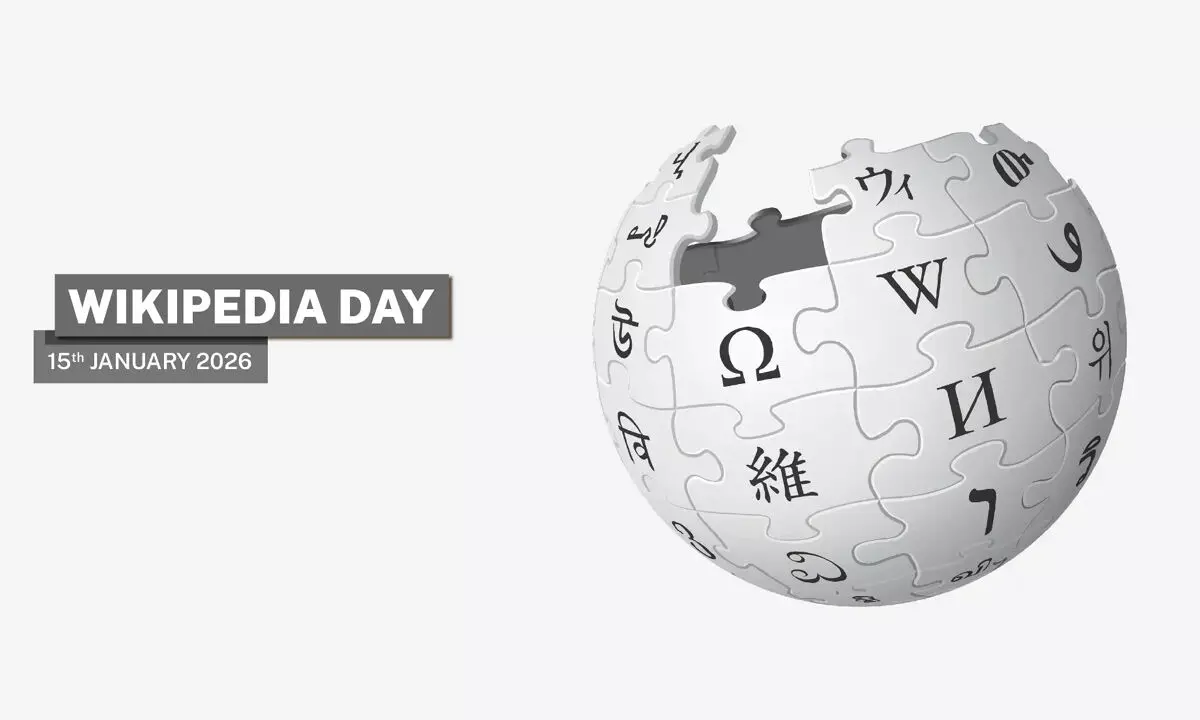
Observed annually on January 15, Wikipedia Day marks the anniversary of the launch of Wikipedia in 2001, one of the world’s most influential digital knowledge platforms. In 2026, Wikipedia Day holds special significance as the free online encyclopedia continues to shape how information is created, shared, and accessed across the globe.
The history of Wikipedia began with a simple but revolutionary idea: to build a free encyclopedia that anyone could edit. Founded by Jimmy Wales and Larry Sanger, Wikipedia started as a complementary project to Nupedia but quickly evolved into an independent, community-driven platform. Within just a few years, it grew exponentially, powered by volunteers who believed in the democratization of knowledge. Today, Wikipedia exists in more than 300 languages and hosts millions of articles covering subjects ranging from science and history to culture, technology, and current affairs.
The significance of Wikipedia lies not only in its scale but in its philosophy. It embodies the principles of open access, collaboration, and neutrality. For students, researchers, educators, and curious readers, Wikipedia serves as a starting point for learning and exploration. In regions with limited access to books or formal educational resources, it plays a critical role in bridging knowledge gaps and promoting digital inclusion.
Wikipedia Day 2026 also highlights the evolving challenges faced by the platform, including misinformation, editor diversity, and sustainability. As the internet landscape becomes more complex, Wikipedia’s emphasis on verifiability, citations, and community governance remains vital to maintaining public trust.
Ultimately, Wikipedia Day is a reminder that knowledge thrives when it is shared freely. It celebrates the millions of contributors who donate their time and expertise, proving that collective effort can create a global public good. In an age driven by information, Wikipedia stands as a powerful symbol of collaboration, curiosity, and the enduring value of open knowledge.