The power of positive thinking for students

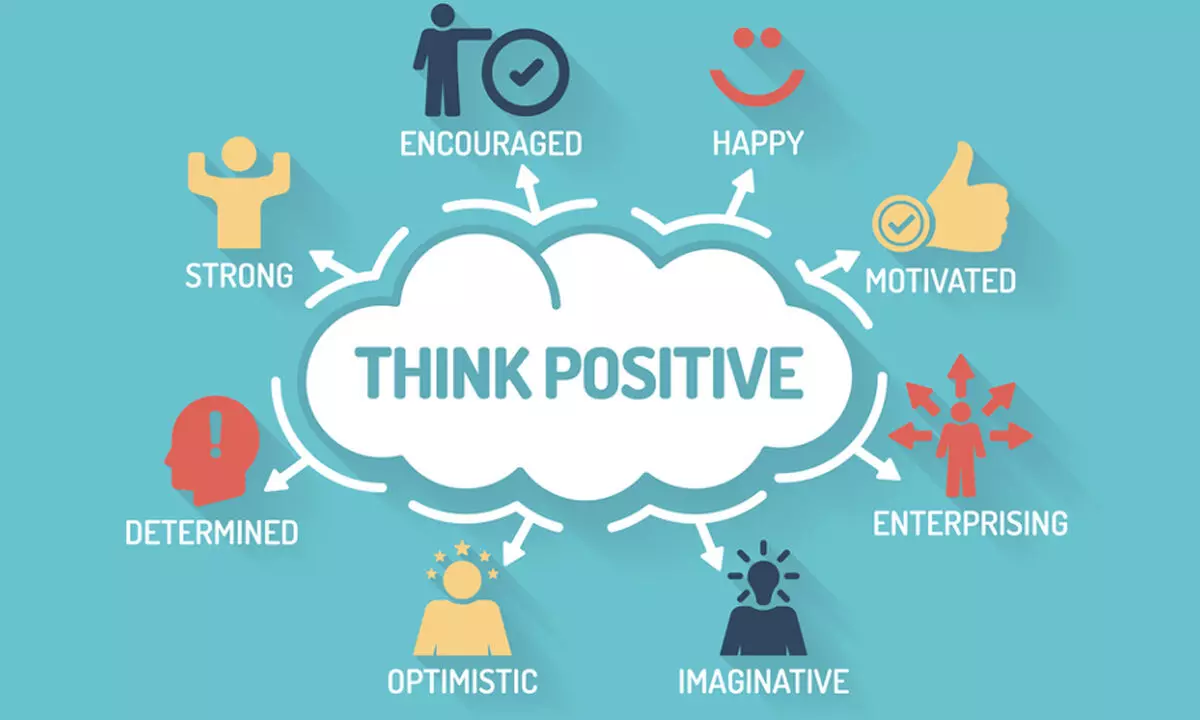
Positive thinking does not mean ignoring difficulties; it means approaching challenges with a constructive mindset. Students often develop negative self-talk such as “I can’t do this” or “I always fail.” Replacing these thoughts with realistic, encouraging statements can significantly improve confidence and mental health. When students believe improvement is possible, they are more willing to continue trying after setbacks.
Gratitude is another effective way to shift thinking patterns. Identifying small positive experiences—supportive friends, helpful teachers, or personal achievements—helps the mind focus on progress rather than problems. Celebrating small academic successes also builds motivation and self-belief over time.
The environment also influences thinking patterns. Spending time with encouraging peers who value learning and growth creates emotional safety and reduces unnecessary pressure. Positive thinking strengthens perseverance, emotional stability, and decision-making skills, all of which contribute to long-term academic success.
Tips:
Replace negative thoughts with balanced statements.
Write three things you are grateful for daily.
Celebrate small academic achievements regularly.