Solar energy career paths for freshers in 2026

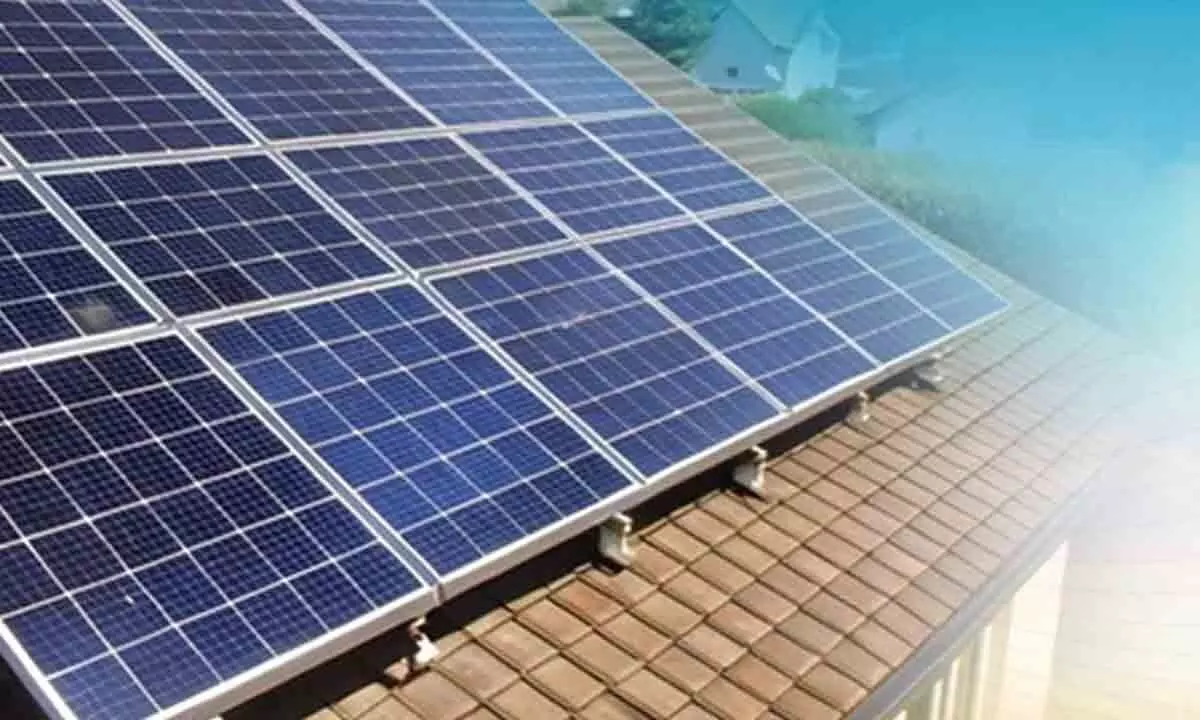
As the global transition toward clean and sustainable energy accelerates, solar energy has emerged as one of the fastest-growing sectors in 2026. For freshers entering the workforce, solar energy offers stable growth, long-term relevance, and the chance to contribute to environmental sustainability.
Solar power has become a key component of national energy strategies due to falling technology costs and increasing efficiency. Large-scale solar parks, rooftop installations, and decentralized energy systems are expanding rapidly. This growth has increased demand for skilled professionals who can design, install, manage, and maintain solar infrastructure. Freshers with backgrounds in engineering, science, management, or vocational training can find diverse entry-level roles in this sector.
Solar design and engineering rolesEngineering graduates can begin their careers as solar design engineers, site engineers, or system engineers. These roles involve planning photovoltaic (PV) systems, assessing site feasibility, and supporting installation projects. Knowledge of electrical systems, energy storage, and software tools is increasingly valuable.
Installation and maintenance careersDiploma holders and vocational trainees can work as solar technicians or maintenance engineers. These roles focus on installing panels, monitoring performance, and troubleshooting system issues. With the rise of rooftop solar, demand for skilled technicians remains strong in both urban and rural areas.
Operations, project, and energy managementFreshers with management or technical backgrounds can enter roles in project coordination, operations support, and energy management. These positions involve scheduling projects, coordinating with vendors, tracking performance, and ensuring compliance with safety and regulatory standards.
Sales, policy, and sustainability rolesNon-technical graduates can explore opportunities in solar sales, marketing, policy analysis, and sustainability consulting. These roles require understanding solar solutions, government incentives, and customer needs, along with strong communication skills.
Skills and preparation for freshers
Employers in 2026 seek candidates with basic technical knowledge, digital skills, and an understanding of renewable energy systems. Familiarity with data analysis, remote monitoring tools, and energy regulations adds value. Internships, certification courses, and hands-on training significantly improve employability.
Conclusion
Solar energy offers promising career pathways for freshers in 2026 across multiple disciplines. As the sector continues to expand, young professionals entering the solar industry can expect meaningful work, steady career growth, and the opportunity to contribute to a sustainable future.