Quitters Day: Understanding the Turning Point in New Year Resolutions

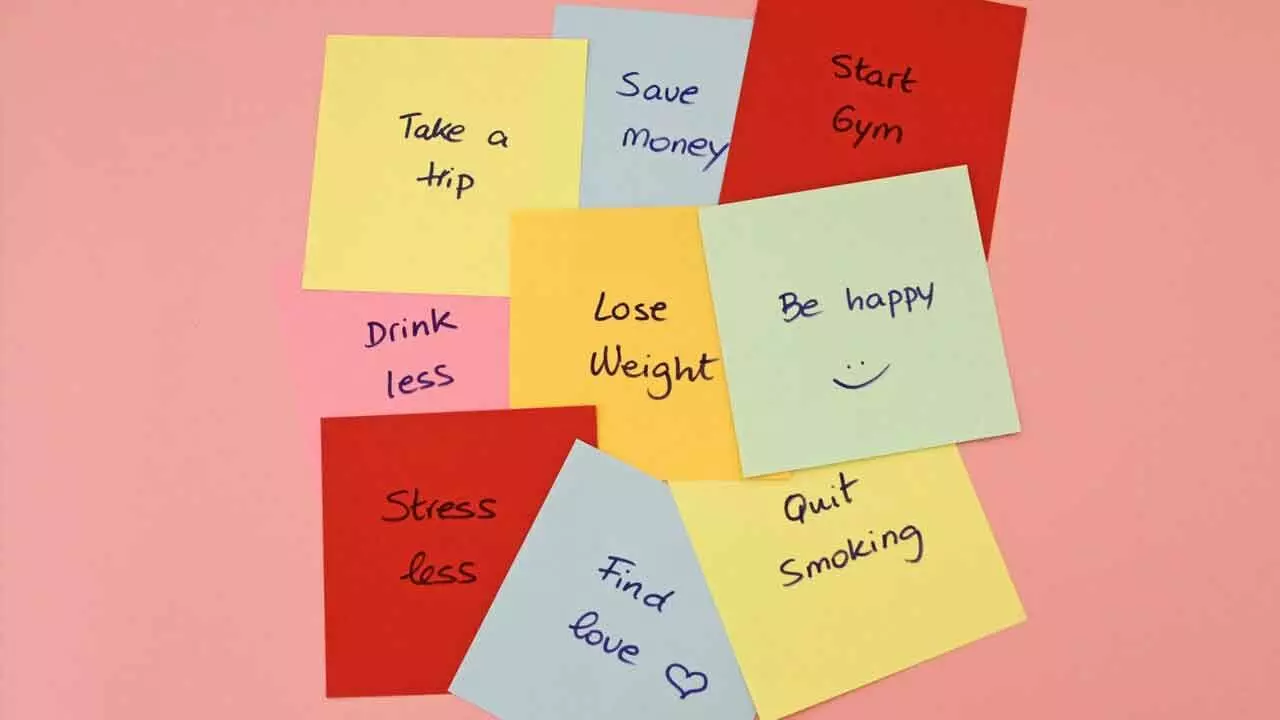
Quitters Day 2026 refers to the point in January when many people abandon their New Year resolutions. Observed informally around the second Friday of January, the day highlights a common pattern in human behaviour—initial motivation often fades when routines become challenging. While not an official observance, Quitters Day has gained attention as a reminder of the gap between intention and sustained action.
At the start of the year, individuals set ambitious goals related to health, fitness, finances, learning, or lifestyle changes. However, by mid-January, the demands of daily life, lack of immediate results, and unrealistic expectations can lead to discouragement. Quitters Day reflects this moment when enthusiasm declines and old habits resurface.
Experts note that quitting resolutions does not necessarily indicate failure. Instead, it often points to the need for more practical goal-setting and supportive strategies. Large or vague resolutions can feel overwhelming, making it difficult to maintain momentum. In contrast, smaller, clearly defined goals are more manageable and easier to integrate into daily routines.
Quitters Day also encourages reflection rather than judgment. It offers an opportunity to reassess goals, adjust timelines, and identify obstacles that hinder progress. Breaking goals into short-term steps, tracking small achievements, and focusing on consistency rather than perfection can help rebuild motivation.
In 2026, conversations around Quitters Day also emphasise mental well-being and self-compassion. Recognising personal limits, allowing flexibility, and avoiding negative self-talk are increasingly viewed as essential to long-term success. Progress is often non-linear, and setbacks are a natural part of growth.
Rather than marking the end of resolutions, Quitters Day can serve as a reset point. By revisiting goals with a realistic and patient approach, individuals can transform initial setbacks into learning experiences and continue working toward meaningful change throughout the year.