How Non-CS Students Can Get Into Computer Science Programs in Germany

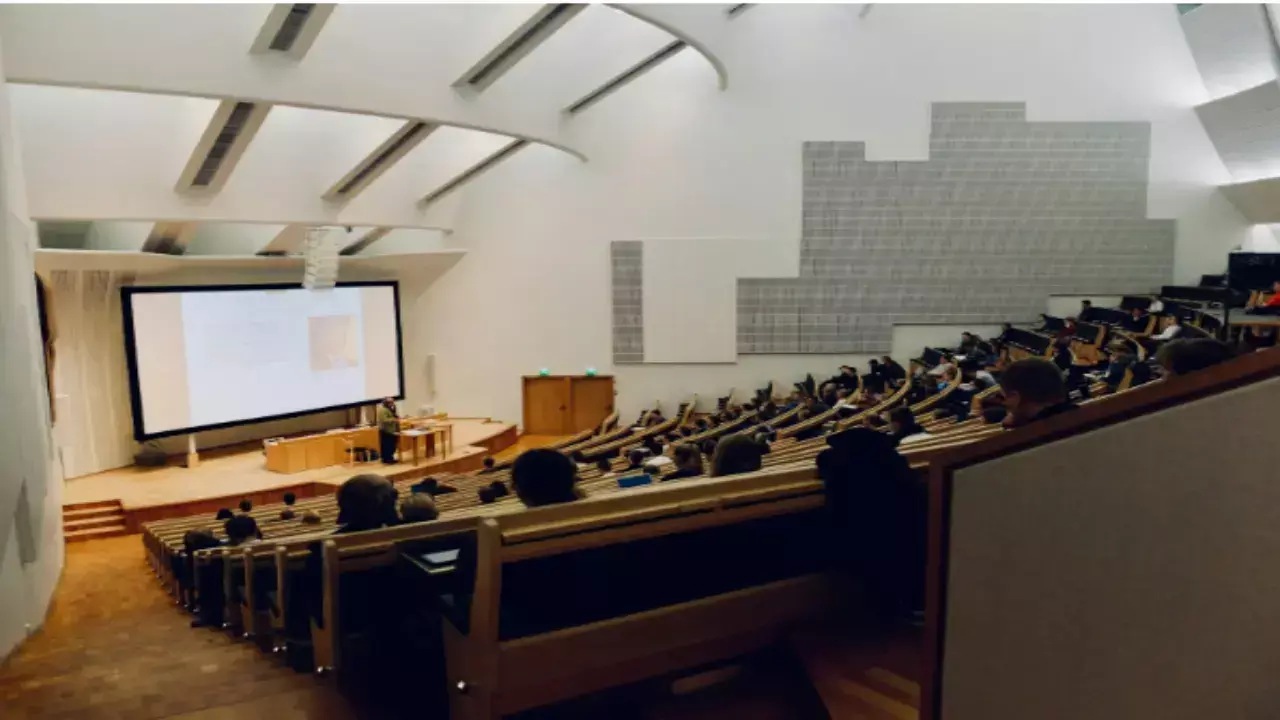
Learn how non-CS students can get into computer science programs in Germany, including eligibility criteria, prerequisites, bridge courses, and application tips.
For students from non-CS backgrounds, especially from South Asia, Computer Science admissions in Germany are highly rigorous. Yet every year, some applicants still succeed. Not because they have perfect profiles, but because they understand how the system works and adapt their approach.
This article shares my experience of applying to CS programs in Germany from a non-CS background. I explain how I lost an entire intake due to avoidable mistakes, what changed in my second attempt, and what actually helped me secure multiple acceptances.
If you are from a non-CS background and planning to apply to Germany, this will save you time, money, and an entire intake.
A Strong Profile That Still Failed
I come from an Electronics Engineering background, not Computer Science. On paper, this already placed me at a disadvantage. I knew early on that alignment alone would not work in my favour, so I chose the only option that felt available: work harder and build a profile strong enough to justify the transition. That decision shaped everything that followed. I focused on gaining industry experience and building an academic portfolio.
My profile at the time
- Electronics Engineering background
- CGPA: approximately 1.9 on the German scale
- IELTS: 8
- ~4 years of experience as a Software Engineer
- 2 research papers
Like many applicants, I assumed that experience, research, and language proficiency would compensate for academic gaps. That assumption turned out to be wrong.
As a woman from South Asia, coming from a middle-class family, studying abroad was not a default option. Even before submitting applications, there were difficult conversations to have. Gaining parental trust was not automatic. I was saving consistently for the blocked account, knowing that studying abroad required financial readiness long before any admission letter arrived.
Despite all this preparation, the first intake ended in rejections. Applying again was not easy. I had already spent nearly ₹2 lakh on university assistance, documentation, and application-related costs. Trying a second time required courage, because it meant risking more time, more money, and more belief.
Every attempt had to count. Every decision had to be deliberate.
Why German Universities Reject Non-CS Applications before even reading
In the 2nd intake, I understood that German CS admissions follow a strict eligibility-first system. Profiles are filtered long before motivation letters are read.
How the system works
- Eligibility is checked first
- ECTS requirements are hard filters
- Bachelor’s degree is evaluated for:
- total ECTS
- required CS-related subjects
- NC vs No-NC does not mean relaxed eligibility
- Industry experience does not replace missing credits
- Research papers do not replace missing credits
- IELTS scores do not offset academic mismatch
This is where my first intake failed. I applied to good universities where my CGPA met the cutoff, but I did not verify ECTS and course alignment deeply enough. Because that alignment was missing, my applications were filtered early. My other achievements were never considered.
Fixing the Mistakes That Cost Me My First Intake
In the second intake, I stopped guessing and started aligning.
1. Alignment Before Applications
I shortlisted only those programs where my bachelor’s courses could be mapped, even partially, to CS requirements. Course titles differed, so I focused on content, not names. Fewer applications, stronger logic.
2. One Motivation Letter Per University
Each university had different expectations. I wrote a separate motivation letter for every program, clearly explaining:
- where my background aligned
- where gaps existed
- why the program still made academic sense
I addressed gaps directly instead of hiding them.
3. Using No-NC Programs Strategically
I applied to No-NC programs to avoid seat-based competition. No-NC does not lower eligibility standards, but it removes ranking-based seat pressure once requirements are met.
Universities That Accepted a Non-CS Background
I received CS/CE-related acceptances from:
- Bonn-Rhein-Sieg University of Applied Sciences – Autonomous Systems
- THWS – University of Applied Sciences Würzburg-Schweinfurt – Artificial Intelligence
- Nordhausen University of Applied Sciences – Computer Engineering for IoT Systems
- Schmalkalden University of Applied Sciences – Applied Computer Science
- Saarland University – Computer Science
Motivation Letter Rules That Matter
- Never reuse the same letter
- Write one letter per program
- Explicitly address ECTS and course alignment
- Acknowledge gaps calmly
- Avoid emotional language
- Keep it academic and precise
A motivation letter is not about proving brilliance. It is about proving awareness and fit.
Management Tips: Applications, Deadlines, and Time Zones
Managing applications alongside a full-time role and freelance work required structure. I handled the entire process myself, so reducing mental overhead was important.
To stay organised, I used Notion to list universities, track requirements, note ECTS alignment, and monitor deadlines.
For timing, especially across German and local time zones, I used SyncMyTime. Its city-wise comparison made it easy to see exact local times side by side, allowing me to submit applications, respond to emails, and book embassy-related appointments correctly without having to manually reason about time zones, daylight saving changes, or conversions.
These were small tools, but they made a big difference. They did not improve my profile. They improved execution.
Key Lessons for Non-CS Applicants
- German CS admissions reward alignment, not effort
- CGPA, research, and experience do not replace missing credits
- Eligibility is decided before motivation letters
- Always verify ECTS and course requirements
- Write program-specific motivation letters
- Apply where a logical academic case exists
- Good execution matters as much as a good profile
Understanding the system does not guarantee admission. But ignoring it almost guarantees rejection.