Building India’s Future in Advanced Microscopy

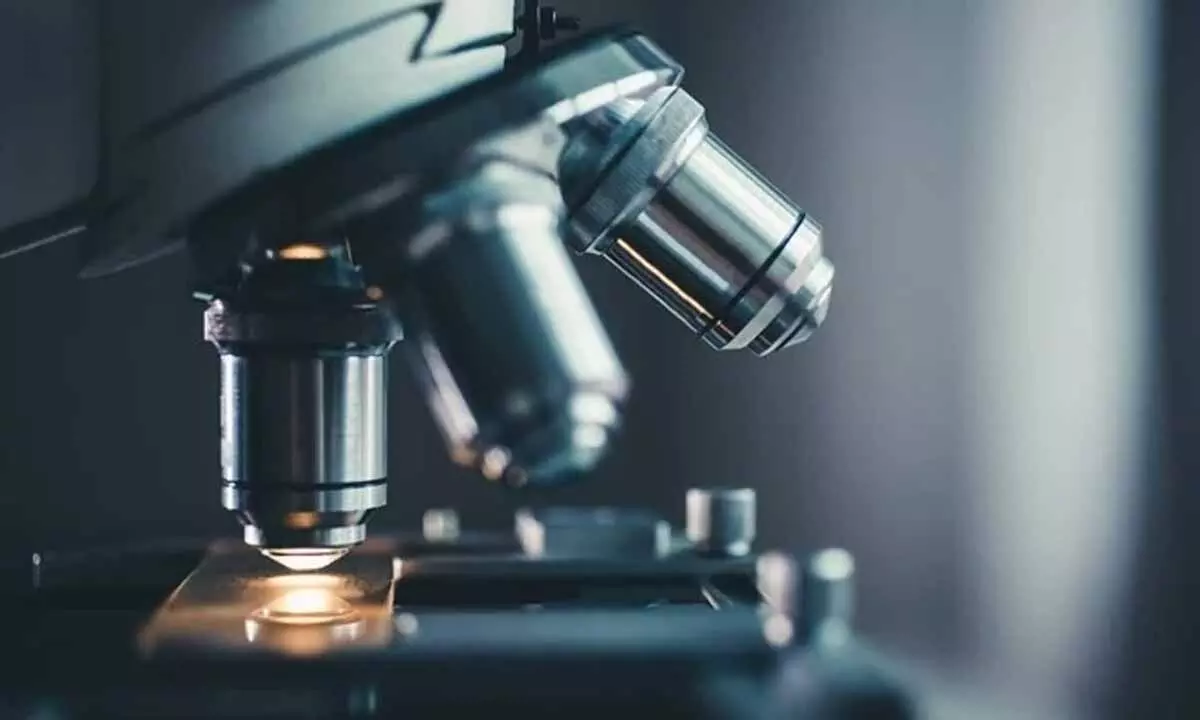
Microscopy is no longer just about magnificationit’s about unlocking new frontiers in science and technology. From decoding the structure of advanced materials to ensuring quality in semiconductor manufacturing, modern microscopy is driving innovation across industries.
Microscopy is no longer just about magnificationit’s about unlocking new frontiers in science and technology. From decoding the structure of advanced materials to ensuring quality in semiconductor manufacturing, modern microscopy is driving innovation across industries.
As India aspires to become a global hub for high-tech innovation, preparing the next generation of scientists and engineers to harness these advancements is not just important it's imperative.
1. With AI, digital workflows, and non-destructive analysis becoming part of modern microscopy, how should science and engineering curriculum evolve to stay relevant?
The tools and techniques used in microscopy today are very different from what was used years ago. Digital imaging, AI-driven analysis, and the ability to examine samples without damaging them are now standard in many labs. To keep up with the industry, educational institutions should update their curriculum to include these new methods.
Students should be trained in areas like sample preparation, image interpretation, data analysis, and use of digital platforms. Learning how to operate modern microscopes, troubleshoot problems during analysis, and document findings properly are essential skills. Practical exposure is equally important; students need time in labs to build hands-on experience using real equipment.Adding these skills early in the learning process will make students industry-ready and more confident when entering professional environments.
2. What can be done to guide India’s young science talent towards building successful careers in research, industry, and innovation through advanced microscopy?
India’s talent pool is immense, and so is its potential. Yet many students still associate microscopy purely with academic labs. The reality is far more exciting.
It’s also important to demystify the career paths. Not every student wants to pursue a PhDand that’s perfectly fine. Microscopy today offers vibrant roles such as application engineers, product managers, imaging consultants, and technical specialists. These roles drive innovation on the ground. By sharing these stories and career tracks, we can inspire students to view microscopy as more than just a tool but as a platform for lifelong innovation.
3. What roles do mentorship and emotional intelligence play in shaping the next generation of scientific leaders, especially in high-tech fields like microscopy?
The best microscopes in the world won’t make a difference if the person using them lacks clarity, resilience, or collaboration. That’s why we believe mentorship and emotional intelligence are just as critical as technical skills.
Microscopy is nuanced. It requires not just technical mastery but also curiosity, composure, and a problem-solving mindset. A good mentor helps young professionals see beyond data they help them navigate ambiguity, think creatively, and grow with confidence.
Soft skills like teamwork, adaptability, and the ability to handle constructive feedback are the foundation of leadership in high-tech environments.
(The author is Head Research and Microscopy at ZEISS India)