Women & arthritis: The unequal burden and untold stories

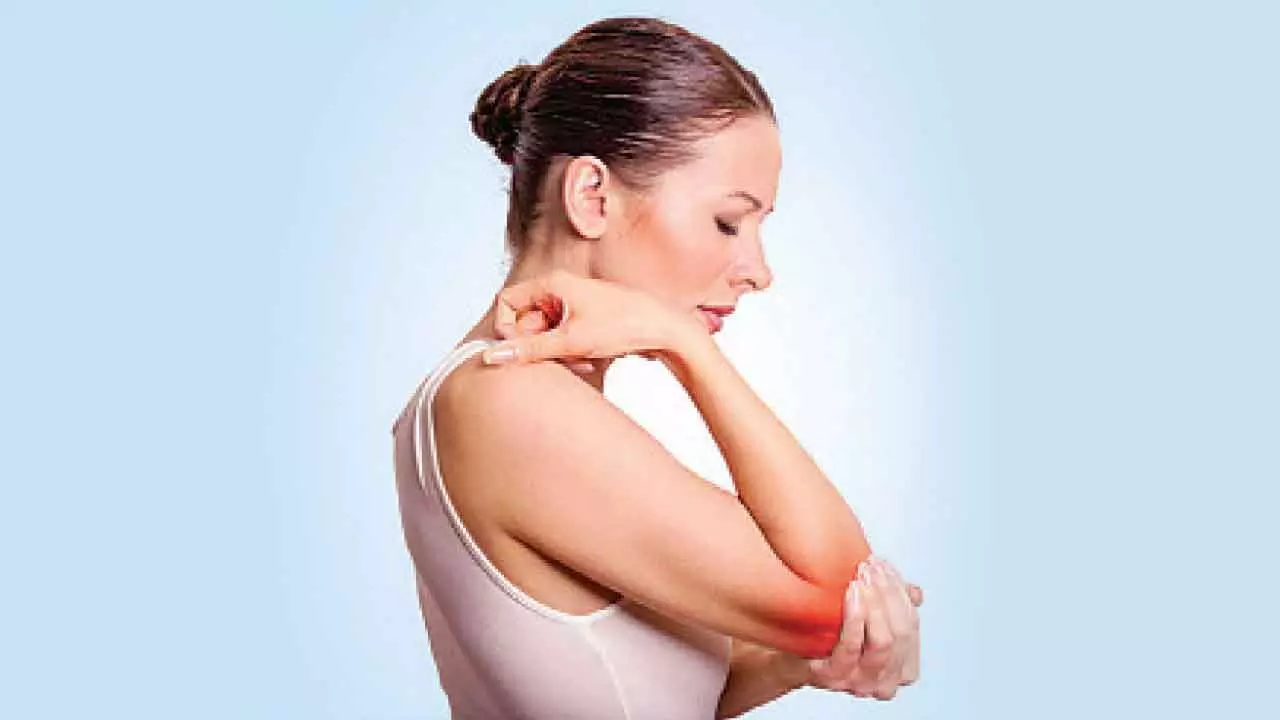
Arthritis in women is an under-recognized yet deeply impactful public health issue in India. Women account for nearly two-thirds of arthritis cases, a disparity that is rooted in both biology and society. Hormonal fluctuations, particularly the decline in estrogen levels after menopause, contribute to accelerated bone and joint degeneration. Additionally, women’s naturally lower bone density, coupled with post-pregnancy calcium depletion and nutritional deficiencies, further predispose them to chronic joint inflammation and pain.
The Social and Cultural Toll
Beyond biology, social and cultural factors play a major role. Many women prioritize family health over their own, delaying medical attention until the disease progresses significantly. Limited access to rheumatologists, lack of awareness, and the stigma surrounding chronic pain worsen this burden. Even in urban areas, early signs of arthritis in women, such as morning stiffness or mild swelling, are often dismissed as routine fatigue or age-related changes. The outcome is that most women seek care only after significant joint damage has already occurred, limiting treatment options and recovery.
A Growing Concern Among Younger Women
What’s alarming today is the rise of arthritis in younger women, often in their late 20s and 30s. Sedentary lifestyles, obesity, autoimmune triggers, and work-related stress are emerging contributors. The result is a decline in productivity, emotional well-being, and quality of life during their most active years. These cases highlight how arthritis is no longer just an age-related disease but a lifestyle-linked condition affecting women across all age groups.
Towards Early Detection and Empowerment
There is an urgent need for gender-sensitive arthritis screening programs, nutritional counselling, and awareness about early intervention. Empowering women with knowledge, encouraging regular exercise, maintaining a healthy weight, and ensuring access to timely medical care can dramatically alter outcomes. With greater attention to women’s specific health needs and early diagnosis, it is possible to prevent years of pain and disability. Arthritis should not be a silent battle. Women deserve empathy, support, and equal access to pain-free living.
(The writer is a Consultant Physician, Padithem Health Care, Bangalore, Consults at Practo (Pronouns: He/Him)