Everything you need to know about dermaplaning

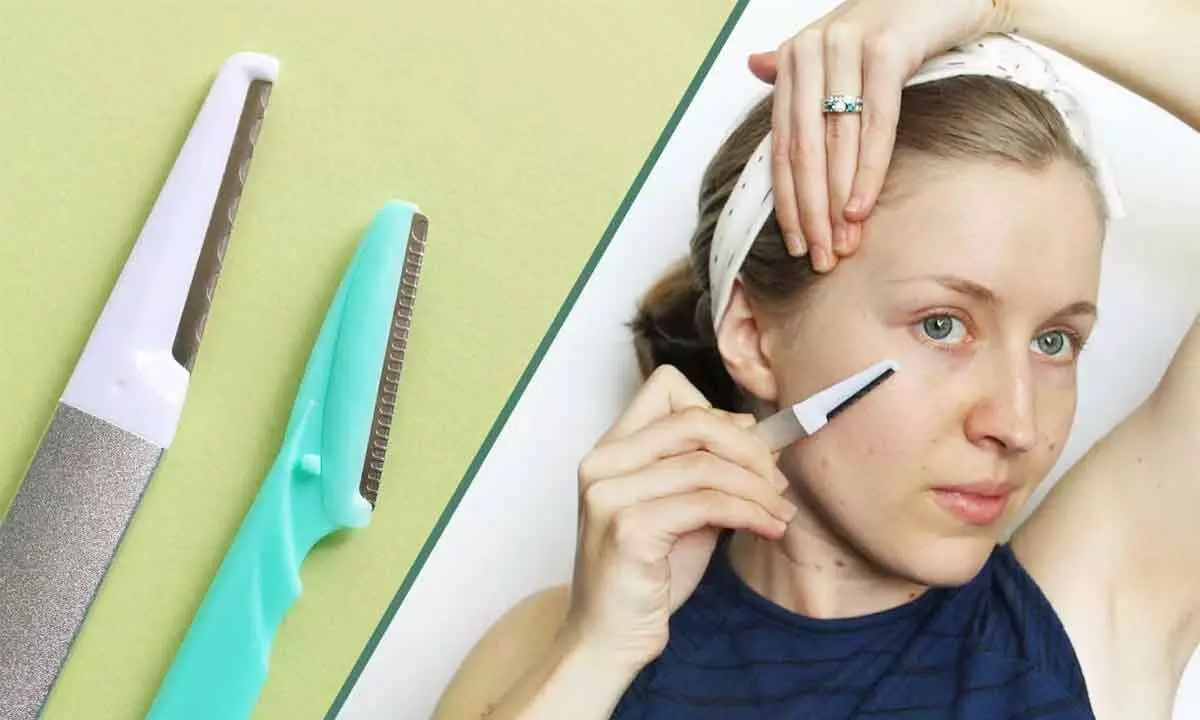
Derma planing is rapidly gaining popularity among young professionals seeking the cleanest and clearest complexion without the hassle of downtime.
Derma planing is rapidly gaining popularity among young professionals seeking the cleanest and clearest complexion without the hassle of downtime. This non-invasive beauty treatment is especially favoured by models, cine actresses, and stage artists in metropolitan cities who desire smooth, glowing skin with or without makeup.
What is Dermaplaning?
Also known as dermablading, dermaplaning is a gentle, non-ablative exfoliation technique that uses a butter blade to remove built-up dead skin and baby hairs from the face and neck. This process reveals a brighter, younger-looking complexion while eliminating pesky peach fuzz or vellus hair. It is particularly beneficial for individuals with dry skin, fine lines, and dullness. However, those with inflamed acne should wait until their skin clears up before undergoing the procedure.
How Does It Work?
Exfoliation has become an essential part of skincare, where grainy substances, microdermabrasion, peeling, and AHAs (alpha hydroxy acids) are commonly used to remove dead skin cells, improve texture, and promote an even skin tone. Dermaplaning, in contrast, involves the use of a scalpel-like tool to gently scrape off the top layer of dulling dead skin cells. This method enhances the skin’s absorption ability, making skincare products more effective.
Is Dermaplaning Suitable for Everyone?
Dermaplaning is generally safe for all skin types, particularly for those with acne scars or pits. However, individuals with active acne, rashes, or highly sensitive skin should avoid it until their condition subsides. Some concerns have been raised about increased facial hair growth after dermaplaning, but experts clarify that while hair may appear different, it does not actually grow thicker or faster.
Comparing Dermaplaning with Other Exfoliation Methods
Other exfoliation methods include chemical peels, microdermabrasion, and natural vegetable peels. Chemical peels use strong acids to remove scars and pigmentation but may cause discomfort and potential risks. Vegetable peeling, on the other hand, involves plant extracts that gently exfoliate while nourishing the skin. This method is safer and promotes skin health without the harsh effects of chemicals.
Post-Dermaplaning Care
After dermaplaning, it is crucial to protect the skin from sun exposure by applying sunscreen regularly. Experts recommend seeking treatment at a reputable clinic and consulting individuals who have undergone the procedure before trying it. Since dermaplaning is a clinical procedure, attempting it at home is not advisable.
(The author is an internationally renowned beauty expert, often referred to as the ‘Herbal Queen of India.’)